Because water is the foundation of life, Qatar Charity continues to bring hope to communities struggling with thirst and deprivation through sustainable water and sanitation initiatives. Across Chad, Bangladesh, and Syria, the organization is transforming water scarcity into reliable access to safe drinking water, protecting families from disease, improving public health, and helping communities build more stable and dignified lives. The following projects highlight some of Qatar Charity’s most significant recent interventions and their lasting impact on the people they serve.
Key points from this report
- Chad: 67 wells in N'Djamena and its outskirts, begun in March 2026 over six months, expected to serve more than one million people.
- Bangladesh: more than 1,010 deep tube wells in Satkhira district between January 2025 and March 2026, bringing safe drinking water to over 40,000 people.
- Syria: six solar arrays totalling 676 kW across 1,175 panels, powering pumping stations in Idlib and Aleppo, with 126,553 direct beneficiaries.
- Salinity along the Bangladeshi coast is linked to raised blood pressure, skin disease, diarrhoea and complications threatening maternal health.
- Sustainability was designed in: 18 local technicians in Syria were trained to operate and maintain the solar systems.
Chad: Bringing Safe Water to More Than One Million People
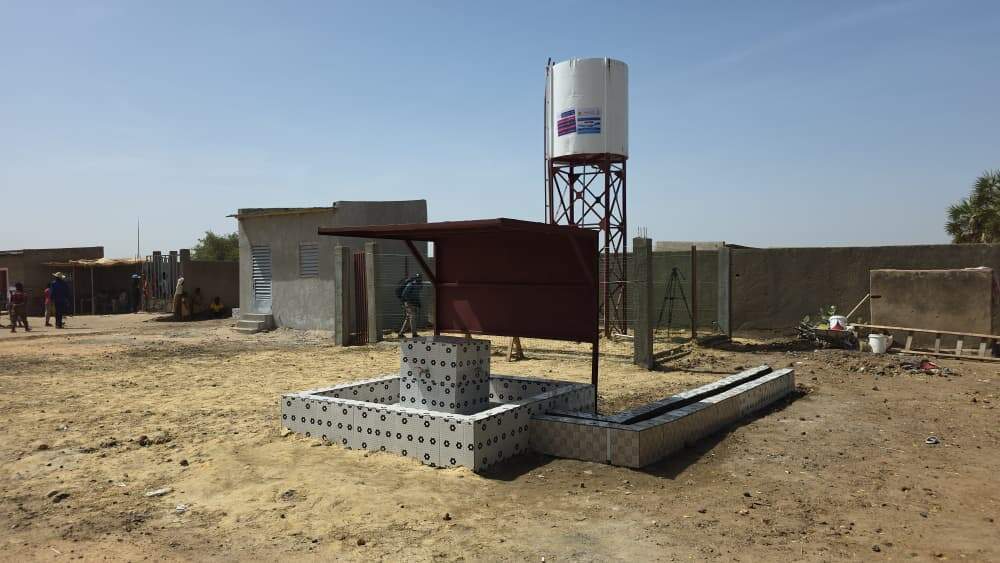
In March 2026, Qatar Charity launched a major water project in Chad involving the construction of 67 wells across N’Djamena and its surrounding areas. Once completed, the project is expected to benefit more than one million people. The first well has already been inaugurated in the Dingué area, while the remaining wells are scheduled to be completed within six months.
Implemented in conjunction with World Water Day, observed annually on 22 March, the project reflects Qatar Charity’s strong development presence in Chad and its commitment to addressing one of the country’s most pressing challenges. The initiative was designed and implemented through a participatory approach in close coordination with Chad’s Ministry of Water and Energy, ensuring long-term sustainability.
The first well, located in Dingué in N’Djamena’s Seventh District, is equipped with a five-cubic-meter water tank, two water distribution networks powered by solar energy, and a caretaker’s facility to support continuous operation and maintenance.
Speaking at the inauguration ceremony, Mr. Nour Saleh Haggar, Secretary-General of the Ministry of Water and Energy, described the initiative as “a successful model of genuine partnership, where Qatar Charity translates its commitment into tangible projects that strengthen water security and respond to national priorities.”
The project addresses urgent needs in a country where many communities continue to face significant barriers to accessing safe water, particularly amid growing climate pressures and rapid population growth.
Bangladesh: Tackling Water Salinity Through 1,010 Deep Tube Wells in 15 Months
In Bangladesh’s coastal areas, finding fresh drinking water has become increasingly difficult as climate change and rising sea levels make water sources more saline. According to World Bank reports, nearly 2.5 million people living along the country’s coastal belt struggle to access safe drinking water. Meanwhile, United Nations reports identify the deterioration of water resources as one of the region’s most serious environmental challenges. The impacts of this crisis extend far beyond water scarcity, placing a heavy burden on women and girls, who are often forced to travel long distances each day to collect water.
The crisis also carries significant health risks. Health experts have linked the consumption of saline water to increased rates of hypertension, skin diseases, diarrhea, and anemia, as well as maternal health complications, including miscarriage and premature birth. For many coastal communities, the lack of safe water is not only an environmental issue but also a threat to health, well-being, and human dignity.
In response to these challenges, Qatar Charity implemented a large-scale water intervention across Bangladesh’s coastal areas, with a particular focus on Satkhira District. Between January 2025 and March 2026, the organization drilled and equipped more than 1,010 deep tube wells, providing safe and easily accessible drinking water to over 40,000 people. Priority was given to the most vulnerable households, especially women, children, and older persons.
The project has had a direct and tangible impact on local communities. Mohammad Tariq Hasan, a representative of the local government authorities, described the initiative as a transformative step for the region.
“Given Satkhira’s coastal geography, salinity has long been a major obstacle to accessing safe water,” he said. “This initiative has enabled residents to obtain fresh, clean water close to their homes.”
The human impact is perhaps best reflected in the experiences of beneficiaries themselves. Among them is Sharifa, who expressed her gratitude for the change the project has brought to her life.
“I never imagined that fresh water would be available so close to my home,” she said. “Today, we live with greater peace of mind, and life has become much more stable.”
Beyond its humanitarian dimension, the project is helping strengthen the environmental resilience of coastal communities by reducing reliance on saline surface-water sources, promoting safer patterns of water consumption, and enhancing local communities’ ability to adapt to mounting climate challenges.
Syria: Solar-Powered Water Project Strengthens Health and Stability
In 2025, Qatar Charity, through its Türkiye Branch and in partnership with Orange Organization, implemented an integrated water, sanitation, and hygiene (WASH) project aimed at restoring access to safe water and strengthening water security in northwestern Syria. Delivered over nine months across the governorates of Idlib and Aleppo, the initiative relied on sustainable solar-powered solutions to support communities living in one of the region’s most vulnerable areas, where access to water and basic services remains a persistent challenge.
The project sought to improve public health and living conditions for the most vulnerable groups by rehabilitating and upgrading water infrastructure while reducing reliance on unsafe or costly water sources. It directly benefited 126,553 people, in addition to around 20,000 indirect beneficiaries among displaced populations and host communities.
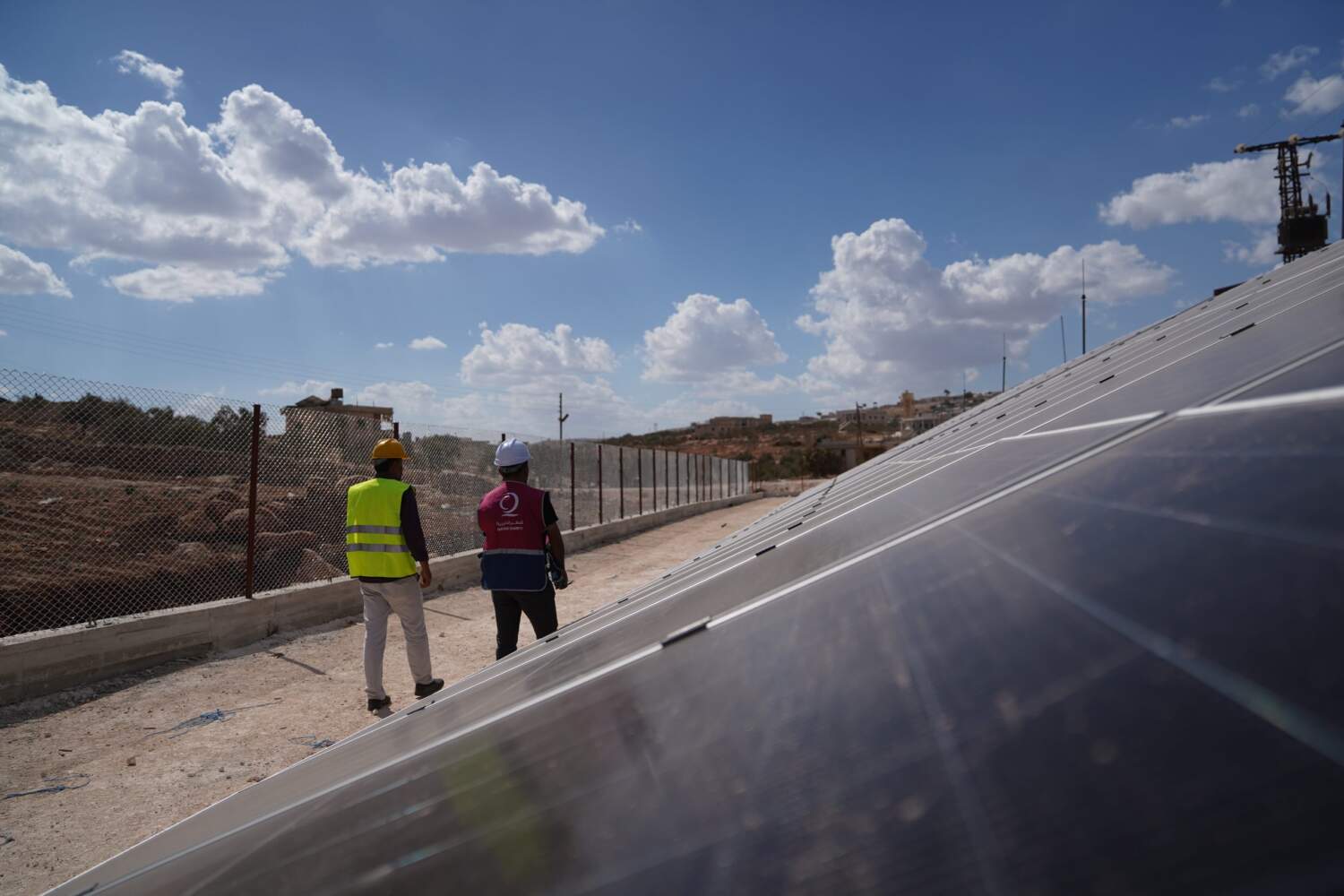
A key feature of the intervention was its use of renewable energy. Six solar-powered systems with a combined capacity of 676 kilowatts were installed, including 1,175 solar panels to operate water pumping stations across multiple locations in Idlib and Aleppo. The shift to solar energy helped ensure a reliable water supply while reducing dependence on expensive fuel amid frequent electricity outages.
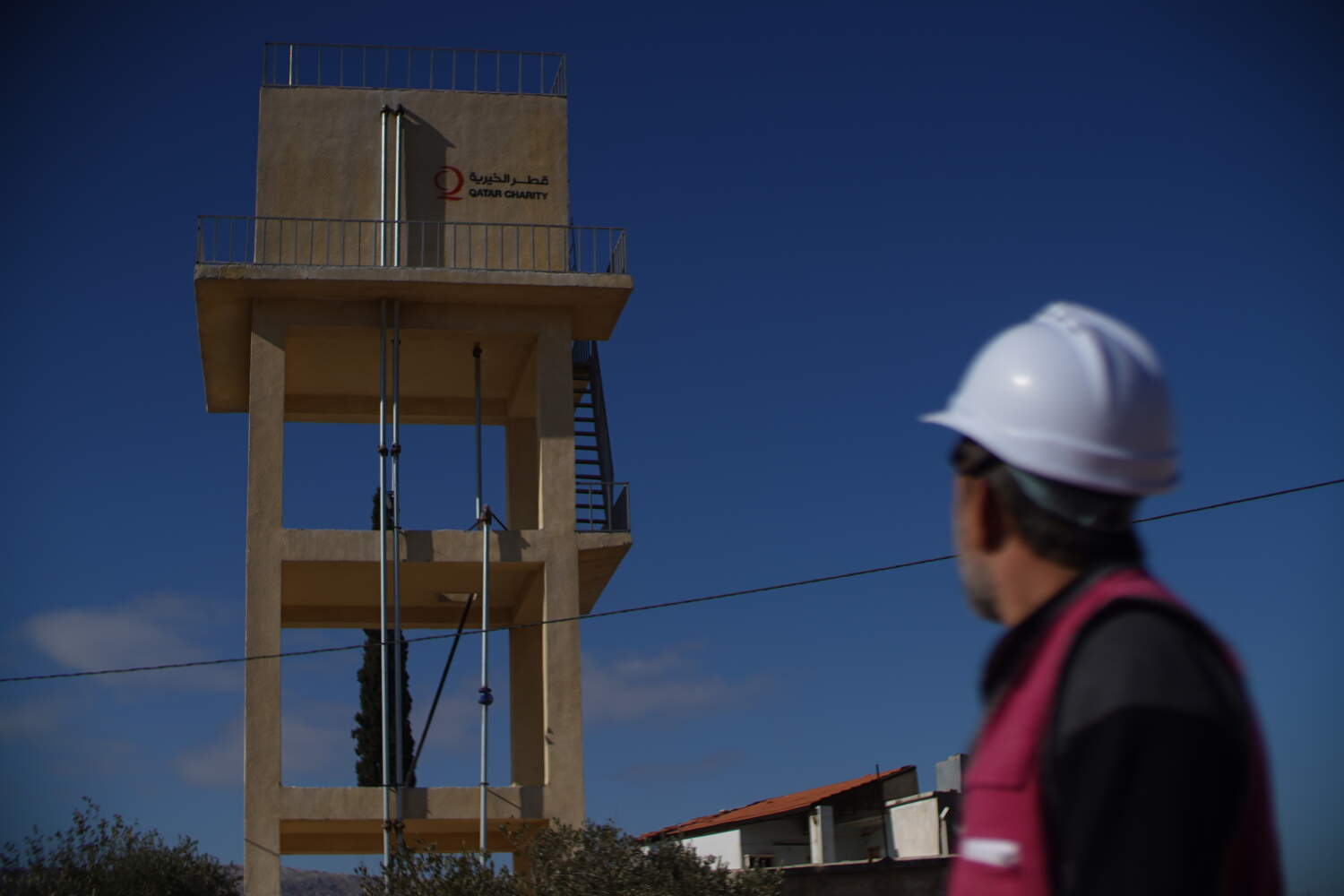
The project also included the construction of a 60-cubic-meter elevated water tank, the rehabilitation and equipping of a water well, the installation of 8.2 kilometers of water networks of varying diameters, and the construction of protective structures for pumping equipment. These improvements enabled thousands of families to receive clean and treated water safely and consistently.
The project’s impact is reflected in the stories of those who have benefited from it. Hafez Abu Mohammad from rural Idlib, recalled the challenges families faced before the intervention.
“Our biggest concern was finding water. We had to wait for water trucks without knowing where the water came from or whether it was clean, and the cost was a heavy burden on families,” he said.
Today, the situation is very different.
“Water now reaches us regularly. We no longer have to worry about the cost of diesel or frequent power cuts. The sun rises—and the water flows.”
Beyond improving access to safe water, the project has contributed to better public health by reducing the risk of waterborne diseases such as cholera. It has also eased financial pressures on households and enhanced stability for both displaced people and host communities.
To ensure long-term sustainability, Qatar Charity trained 18 local technicians to operate and maintain the solar-energy systems. The project stands as a practical example of how clean-energy solutions can support sustainable humanitarian action and deliver lasting impact in conflict-affected communities
| Country | Project | Duration | Beneficiaries |
|---|---|---|---|
| Chad | 67 wells in N'Djamena and its outskirts | Six months from March 2026 | More than one million people, expected |
| Bangladesh | More than 1,010 deep tube wells in Satkhira | January 2025 to March 2026 | More than 40,000 people |
| Syria | Six solar arrays totalling 676 kW in Idlib and Aleppo | Nine months during 2025 | 126,553 direct, about 20,000 indirect |
Frequently asked questions about water projects
Why is solar power used to run water pumping stations?
It keeps pumping running and cuts dependence on costly fuel in areas where the electricity supply is repeatedly interrupted. In north-west Syria six arrays totalling 676 kW powered the pumping stations and removed the diesel cost from households.
How does saline water affect health?
Health specialists link drinking saline water to raised blood pressure, skin disease, diarrhoea and anaemia, along with complications that threaten maternal health such as miscarriage and premature birth.
Why does water scarcity affect women and girls more?
They are the ones who walk long distances every day to collect water, which consumes their time and adds to their load. That is why water projects prioritise bringing a safe source close to the home.
What makes a water project sustainable after handover?
Training local technicians to operate and maintain it, choosing an energy source that needs no continuous fuel, and building protective housing for the equipment. In Syria 18 local technicians were trained on the solar systems.