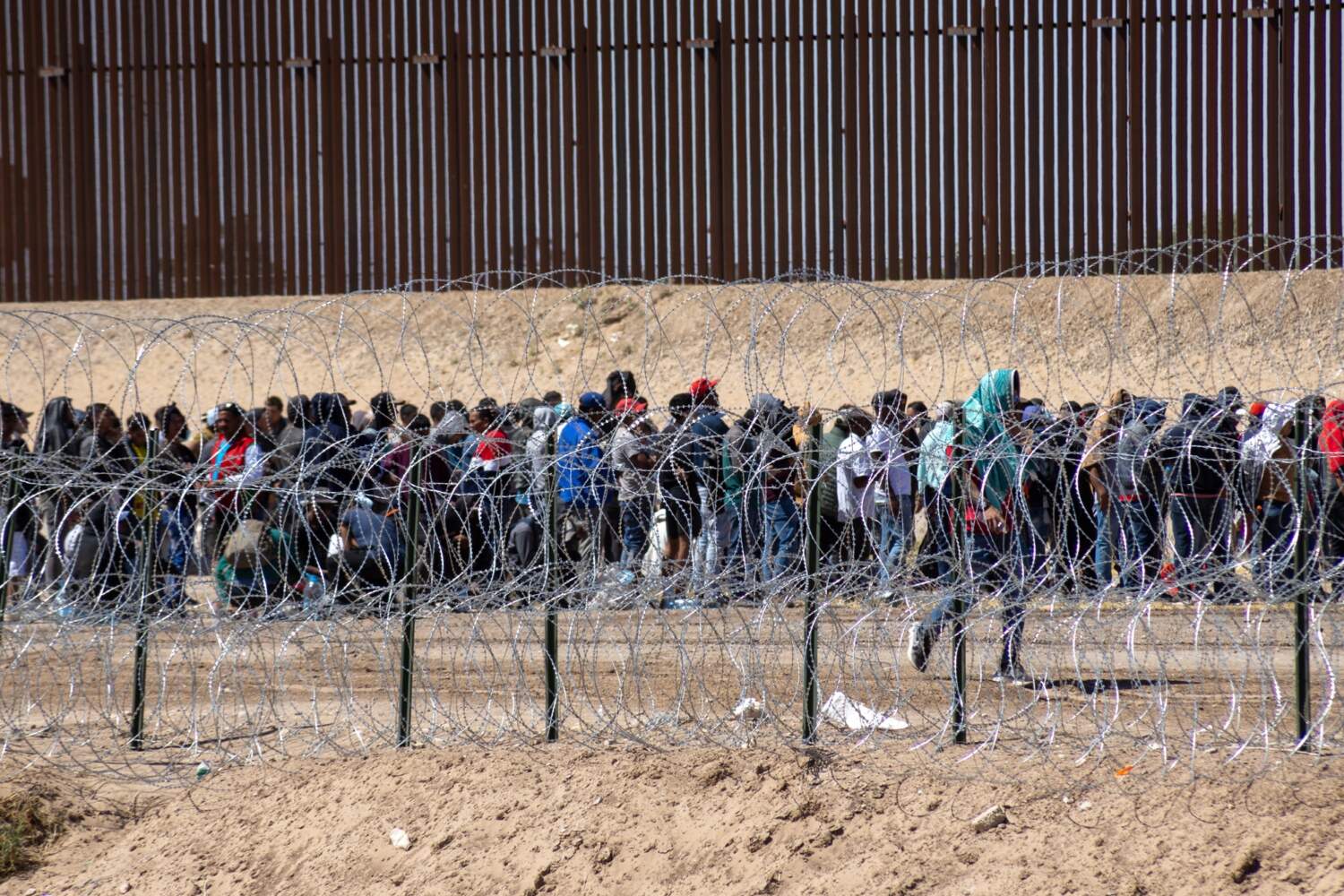
A review of Forced Migration and Humanitarian Action, a book that examines the challenges of forced migration and offers practical solutions to improve humanitarian response and uphold human dignity.
Book Title:Forced Migration and Humanitarian Action: Operational Challenges and Solutions for Supporting People on the Move
Editors:Lorenzo Guadagno, Lisette R. Robles
Publisher:Routledge
Edition:First
Year of Publication:2024
Pages:204 pages
Language:English
Context and Scope
Forced migration has become a defining feature of contemporary humanitarian crises, shaping the design, targeting, and delivery of emergency responses.
The book ‘Forced Migration and Humanitarian Action’ offers a timely and nuanced examination of this reality. Bringing together analytical depth and field-based insight, the book explores how humanitarian responses are adapting to increasingly complex displacement dynamics across diverse geographic and socio-political contexts.
The book focuses on the operational challenges faced by humanitarian actors in designing and implementing interventions for forced migration. It adopts a critical perspective on the concept of “vulnerability,” treating it not as a fixed category but as a dynamic, context-specific, and individualized condition. It highlights how grouping displaced people under a single label can lead to generalized responses that risk overlooking specific needs and excluding particularly vulnerable groups.
Drawing on case studies from Africa, Asia, Europe, and the Pacific, the book presents diverse models of humanitarian action led by both traditional and non-traditional actors. It examines the role of humanitarian data, institutional coordination, and the participation of affected populations in enhancing program quality and improving access to protection and services.
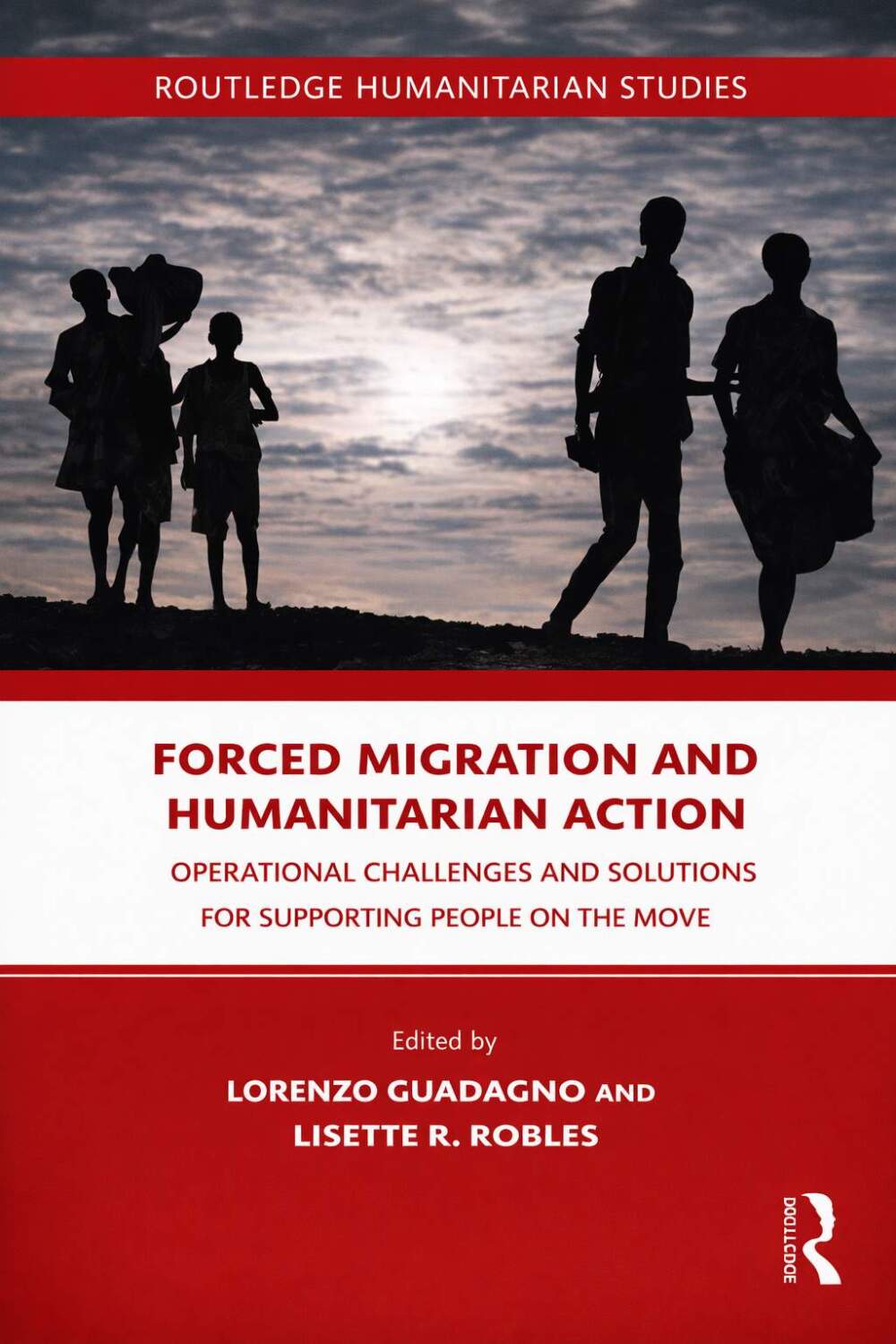
Forced Migration and Humanitarian Action: Operational Challenges and Solutions for Supporting People on the Move
Bringing together conceptual insight and field-based evidence, the book provides a practical framework for moving from generalized responses toward more inclusive, context-sensitive, and equitable approaches, grounded in the principles of human security, with human dignity and rights at their core.
Table of Contents
The book includes the following chapters:
1. Introduction: Forced Migration Crises, Diverse Humanitarian Needs and Responses
2. Humanitarian Programming on Child Migration in Northern Africa and Southern Europe: The Role of Data
3. Representative Humanitarian Data Collection: Female Participation for Better Data on Migration and Internal Displacement
4. From Policy to Practice: The evolution of disability-inclusive humanitarian action on internal displacement in Vanuatu and Nigeria
5. Inclusion of Displaced Older People in Research and Practice: Insights on Humanitarian Action for Older Filipinos
6. Protecting Forced Migrant Workers: A Case Study of Rescue Operations for Fishermen Trafficked from Thailand to Indonesia
7. Reflections on Operational Challenges in Forced Migration: Towards Inclusive Humanitarian Action for People in Displacement
Critics’ Reviews
The book has received strong praise from leading experts in migration and humanitarian action. Walter Kälin, Professor Emeritus at the University of Bern and former UN Representative, describes the book as “a wealth of experience and muchneeded knowledge” to improve how humanitarian action meets the “specific and differentiated needs of displaced people”.
Elizabeth Ferris, Professor at Georgetown University, highlights it as a “valuable contribution to understanding the strengths and weaknesses of the humanitarian system” in responding to forced migrants at particular risk.
Yukie Osa, Professor at Rikkyo University, notes that the book offers “thoughtprovoking insights” and “wellgrounded lessons on addressing displacement challenges” for researchers and practitioners worldwide.
Value of the Book
This book serves as an essential reference for understanding the transformations shaping contemporary humanitarian action in the context of forced migration. It is relevant to researchers and students in migration and humanitarian studies, as well as practitioners and policymakers seeking more equitable and effective, evidence-based responses that uphold human dignity.
Key Conclusions and Recommendations
The book concludes that strengthening humanitarian action in forced migration contexts requires three interconnected priorities:
- Data- and evidence-based approaches: Addressing data gaps and improving the representation of affected populations, given their direct impact on effective planning and humanitarian response.
- Coordination, partnerships, and participation: Enhancing collaboration among diverse actors while ensuring the meaningful involvement of displaced populations in designing and implementing interventions.
- Linking relief to long-term solutions: Moving beyond short-term emergency responses by connecting humanitarian action to resilience-building and sustainable approaches within a human security framework.
About the Editors
Lorenzo Guadagno works on displacement, disasters, and climate change with the Platform on Disaster Displacement. He holds a PhD in the sociology of disasters and has over 15 years of experience in disaster risk reduction, emergency management, migration, and displacement.
Lisette R. Robles is a Research Fellow at the Ogata Sadako Research Institute for Peace and Development at JICA (Japan International Cooperation Agency). She holds a PhD in Media and Governance from Keio University and works on human security, empowerment, disaster displacement, and forced migration.