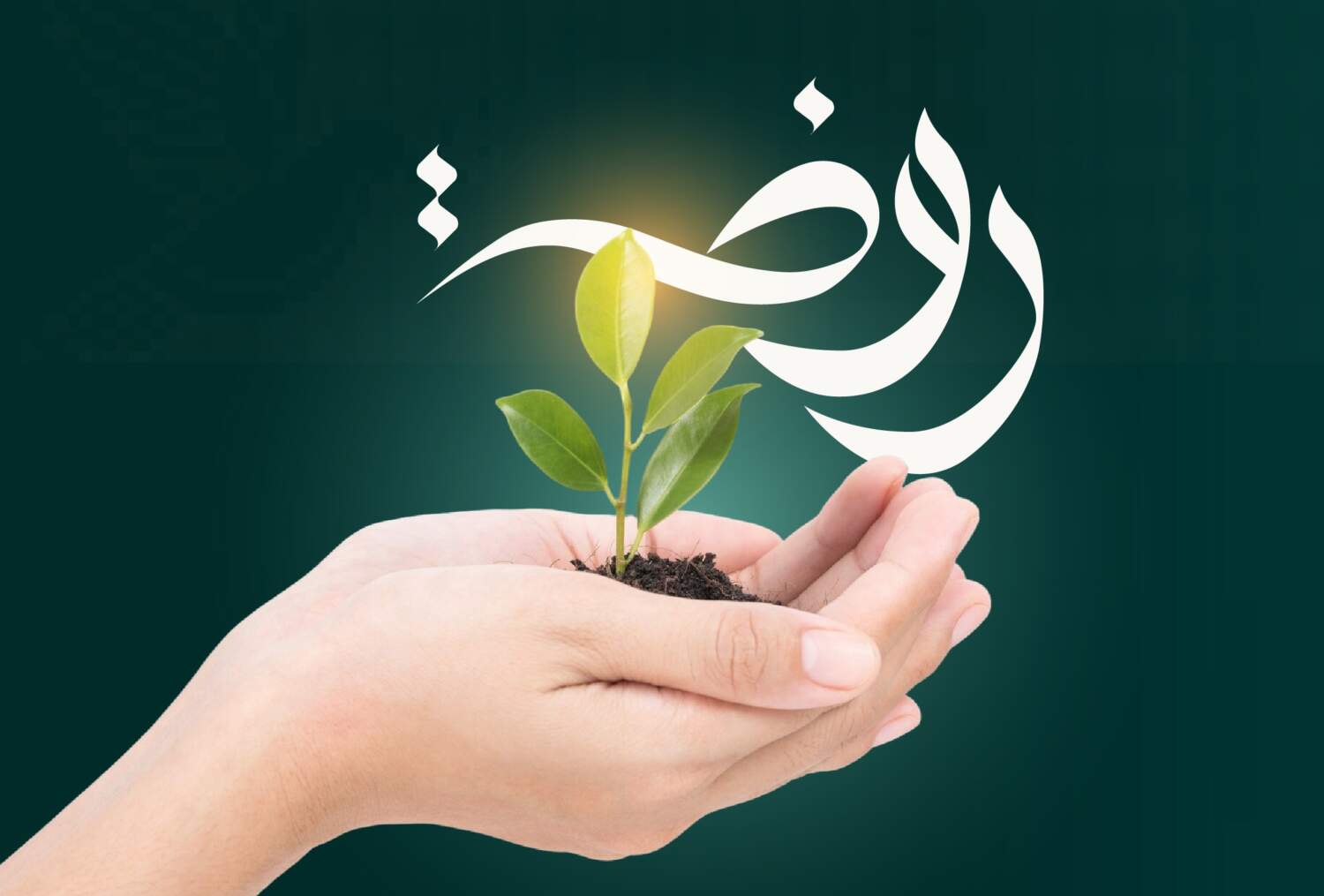
Qatar’s Enduring Icon of Humanitarian Giving
Sheikha Rawda bint Mohammed bin Thani stands as one of the most prominent female figures in Qatar’s humanitarian and social history. From an early stage, her name became synonymous with generosity, charity, social solidarity, and sacrifice during the formative years of Qatari society.
Her life reflects a timeless model of value-driven giving and social responsibility—long before the emergence of organized institutional charity work.
Early Life and Historical Significance
Sheikha Rawda was born in Doha (Al Bida) around 1870. She was the daughter of Sheikh Mohammed bin Thani, and the sister of Sheikh Jassim bin Mohammed Al Thani, the founder of modern Qatar.
From her early years, she witnessed the major transformations shaping Qatari society in the late 19th century—from the ruling family’s move to Doha to the unification of tribes and the consolidation of political and social identity.
These developments played a central role in shaping her early humanitarian awareness and social consciousness. She is widely regarded as one of the leading female figures in Qatar’s social history during this pivotal era.
A Symbol of Sacrifice and Resilience
In Qatar’s collective memory, Sheikha Rawda is remembered as the “wife of a martyr and mother of a martyr”—a title that reflects the depth of her personal sacrifice and resilience.
Her husband was martyred in the Battle of Al Wajbah in 1893 while defending Qatar, and she later lost her son in the national battles of the foundational era. Rather than breaking her spirit, these hardships became a source of inner strength, deepening her connection to society and forever linking her legacy to national sacrifice and community giving.
The Gracious Giver
Sheikha Rawda was renowned throughout Qatari society for her generosity, beneficence, helping those in need without discrimination, supporting vulnerable families, widows, and those who had lost their breadwinners, particularly during times of crisis.
Her home served as a refuge for the needy and a social sanctuary in an era when formal welfare institutions did not yet exist. Her efforts represent an early model of community-based humanitarian work—defined by closeness to people, an understanding of their needs, and a response driven by empathy and selflessness.
Ikhwan Rawda: A Social Symbol
Over time, Sheikha Rawda transcended her historical persona to become a profound cultural symbol in the collective consciousness. The phrase “Ikhwan Rawda” (Rawda’s Brothers) evolved from a familial expression into a broader cultural symbol representing solidarity, courage, mutual support, and shared values.
Etched deeply into popular culture and national memory, this phrase embodies the lasting impact of a woman who played a central role in anchoring humanitarian values within Qatari society.
The Rawda Award for Excellence in Social Work
Sheikha Rawda passed away in 1920 after a life devoted to humanitarian and social giving. Yet her legacy continues to inspire generations.
In recognition of her enduring contributions, the Rawda Award for Excellence in Social Work was established under Amiri Decision No. (16) of 2025, as the first Qatari award dedicated to honoring outstanding individuals, families, and institutions in the field of social work. The award carries an annual value of QAR 2.7 million.
Naming the award after Sheikha Rawda stands as a clear testament to her historical stature, reaffirming that the values she embodied—giving, compassion, and social responsibility—continue to serve as a moral and developmental compass for society today.