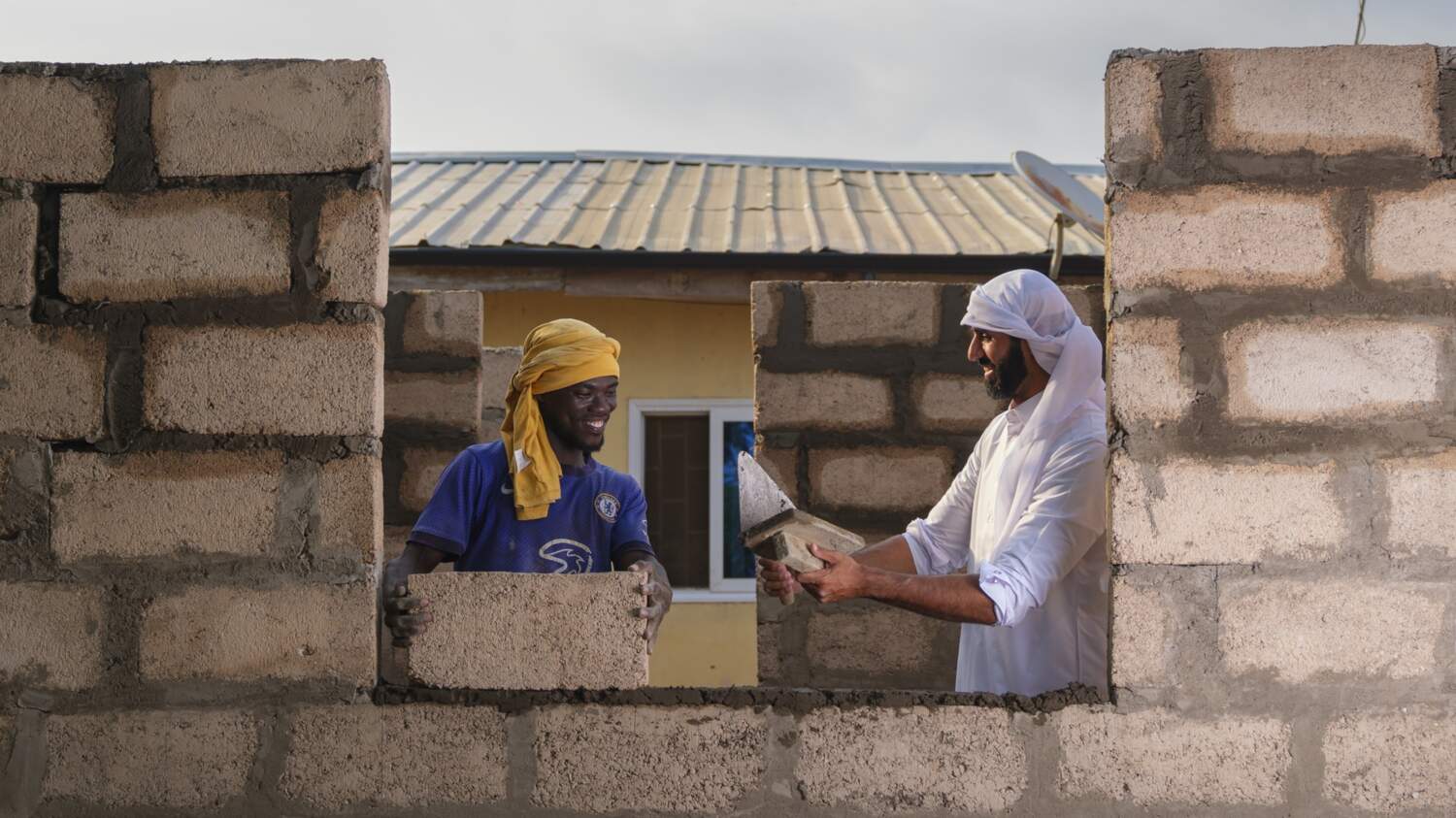
An article that highlights the role of goodness as a force that strengthens hope and resilience during crises, and how giving transforms challenges into a responsible act that protects society and supports those most in need.
Our region, like much of the world, is passing through exceptional circumstances, where crises converge and anxieties deepen. In such moments, what communities need most is a sustaining narrative of hope—one that does not deny pressures and difficulties, but prevents despair from becoming a shared reality.
Within this context, goodness emerges as a living narrative: a continuous humanitarian act that connects meaning with relief and faith with responsibility. It transforms giving into a force of protection—shielding against harm and resisting helplessness.
Hope and Community Resilience
Today, hope is no longer seen as a fleeting emotion, but as a collective capacity to endure despite disruption. Studies on community resilience show that societies grounded in shared purpose and responsibility are better able to remain cohesive during crises.
This narrative does not ignore fear or pressure; it acknowledges them and turns them into motivation for action. This aligns with the Islamic view, which rejects despair and links hope with effort. The Qur’an emphasizes this principle: “And do not despair of relief from Allah.” (Qur’an 12:87)
Hope, therefore, is not an escape from reality, it is a conscious choice to persevere despite how challenging the circumstances may be.
Goodness as Resistance to Despair
In exceptional times, goodness goes beyond voluntary charity to become an act of resistance—against helplessness and surrender.
In Islamic tradition, giving is not a temporary reaction to emergencies, but a continuous ethical behavior that becomes even more vital in times of hardship. As the Prophet Muhammad (peace be upon him) said: “Acts of kindness protect from misfortunes.”
Thus, goodness not only supports those in need—it safeguards society from falling into despair.
Why Giving Must Never Stop
When resources shrink and fears grow, pausing giving may seem justified. Yet experience —both past and present— shows that giving during hardship has the greatest impact. This is beautifully captured in the verse: “Those who give in times of ease and hardship…” (Qur’an 3:134)
Crises do not wait. When giving continues despite adversity, it forms a humanitarian safety net that protects the most vulnerable and strengthens collective resilience.
The Deeper Impact of Giving
When goodness persists, those affected by crises feel seen, not forgotten. Their suffering is acknowledged, restoring a sense of dignity and security. But the impact also reaches the giver.
In contemporary human understanding, giving offers a sense of agency and efficacy in uncertain times. In Islamic culture, giving during times of hardship is never a loss; rather, it it is a source of inner peace and protection from harm.
Those who continue giving despite adversity not only uplift others, but also safeguard their own humanity—proving they are part of the solution, not mere bystanders to the crisis.
Altruism Despite Hardship
In Islamic culture, faith is inseparable from daily life. Goodness connects prayer with action and hope with responsibility.
This was exemplified by the early Muslim community, when the Ansar (Helpers) gave preference to the Muhajirun (Emigrants) despite their own scarcity. The Qur’an records:“…and they give preference to others over themselves, even though they are in need.” (Qur’an 59:9)
This is not merely a historical account—it is a timeless model for every crisis.
Choosing the Right Narrative
In exceptional times, we may not control everything—but we can choose the narrative we live by. It is either a narrative where despair grows, or one where hope is sustained through continuous goodness. When giving endures, it becomes more than an individual act—it becomes a shared human story: one that preserves dignity, keeps compassion alive, and ensures that hope remains possible.