Humanitarian needs do not disappear when the headlines move on. Yet forgotten humanitarian crises, the prolonged emergencies, often struggle to sustain international attention and funding, even as suffering continues. From the Rohingya refugee crisis to displacement across Africa and Afghanistan, the gap between humanitarian needs and global engagement raises questions about political priorities, media influence, and donor responsibility.
To explore these challenges, Ghiras Magazine brought together three experts representing humanitarian leadership, refugee protection, and advocacy and communications:
Key Takeaways from the Forgotten Humanitarian Crises Symposium
- Humanitarian priorities do not always reflect the scale of needs, as they are shaped by international contexts and by crises competing for resources.
- Media coverage influences humanitarian funding by mobilizing the public and pressuring decision-makers, and the way crises are portrayed affects people’s willingness to give.
- Neglect of prolonged crises can become chronic, even as suffering continues and needs grow.
- Humanitarian organizations have a responsibility to advocate for overlooked crises while respecting the dignity and safety of affected people.
- Islamic philanthropy helps close funding gaps, but it does not replace government contributions.
- Amplifying affected communities means enabling them to tell their own stories and take part in decisions about their lives.
Who Sets Humanitarian Priorities?
How are international priorities for responding to humanitarian crises determined?
Humanitarian needs do not always determine where international resources are directed. Political interests, competing emergencies, and financial pressures can influence donor decisions, leaving vulnerable populations without adequate support.
Jan Egeland distinguishes between humanitarian principles and the considerations guiding donor governments. He explains that NRC operates according to the principles of humanity, impartiality, neutrality, and independence, directing assistance to those in greatest need and providing the most appropriate support during acute crises.
Donor priorities, however, do not always follow the same approach.
“In many settings the human toll of a political crisis is seen as a footnote, with the main focus being on the strategic ‘chess game’ between warring states or third parties,” Egeland says.
He argues that humanitarian assistance must remain focused on those most in need, regardless of their location or political significance.
Dr. Khaled Khalifa identifies additional influences, including domestic priorities, security concerns, migration dynamics, and competition among global emergencies.
As new crises emerge, attention and resources often shift toward them, leaving prolonged displacement situations struggling to maintain support.
The Rohingya crisis illustrates this imbalance. Despite continuing needs and the absence of a durable solution, sustaining international attention has become increasingly difficult.
Khalifa emphasizes that the international community’s responsibility does not diminish simply because an emergency disappears from the headlines.
From a media perspective, KAM Morshed notes that attention fades once a crisis stops changing. Long, complex crises also lose out to sudden disasters, which are easier to tell.
The Rohingya crisis, he points out, encompasses the conflict in Rakhine, trafficking at sea, climate risk, and the pressures facing Bangladeshi host communities, yet newsrooms often give it a single beat, with suffering becoming the easiest story to find.
When Media Attention Shapes Humanitarian Funding
How does media attention, or the lack of it, affect the flow of humanitarian funding?
Media coverage can mobilize humanitarian assistance by encouraging donations and generating political pressure. Yet funding also depends on donor budgets, political priorities, and how emergencies are portrayed.
Egeland sees the consequences of inadequate coverage most clearly in neglected displacement crises.
“When the public don’t get to hear about a crisis – and when politicians never get asked about it as a result – then we know there will be little pressure for aid to flow,” he says.
For a decade, NRC has published an annual list of the world’s most neglected displacement crises, using several indicators, including media attention. Its communications work seeks to highlight overlooked emergencies and encourage greater action from political leaders and donors.
KAM Morshed examines the relationship through public engagement and donor behavior.
“Media attention shapes public attention, and public attention moves money,” he says.
Coverage directly influences individual and foundation donations, he explains, while affecting government assistance more indirectly through public and political pressure.
Media attention shapes public attention, and public attention moves money.
Morshed cites research showing that additional television coverage following the 2004 Indian Ocean tsunami increased online donations to US relief agencies. Another study found that disasters occurring during the Olympic Games needed three times as many deaths to attract the same likelihood of US government relief.
However, he argues that how a crisis is presented matters as much as its visibility.
He contrasts coverage of the Rohingya crisis in 2017, which emphasized urgency and rights, with more recent narratives portraying it as a permanent emergency without a clear solution.
Research suggests people are more willing to give when they believe their contributions can make a difference. Presenting a crisis as hopeless may discourage support.
“The answer is not false hope. It is an honest account of what help achieves and who and what are at risk if support falls away,” Morshed explains.
Khalifa adds that declining media attention is not the sole cause of funding shortages. Traditional donors face budget pressures while conflicts, climate-related disasters, and economic instability compete for limited resources.
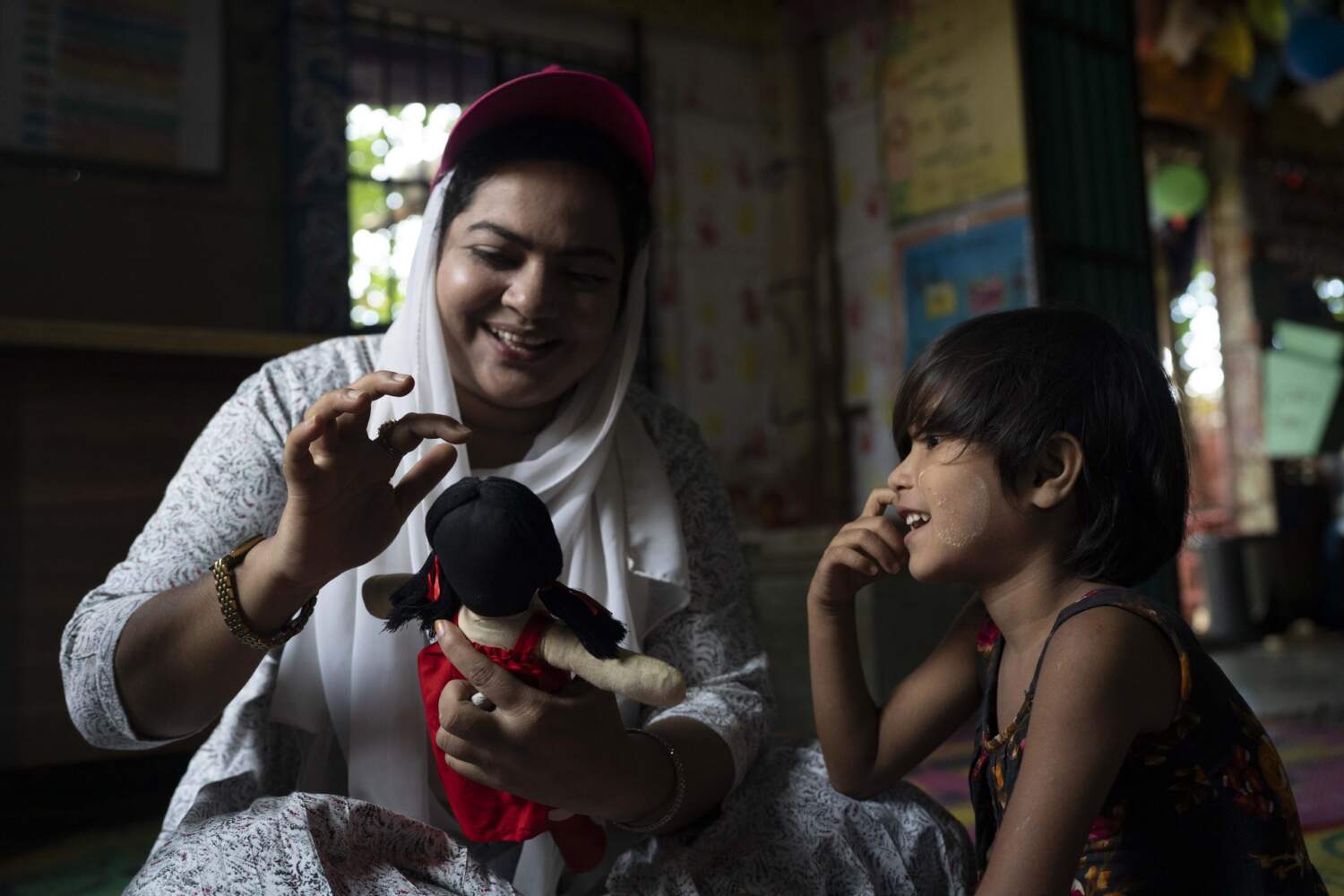
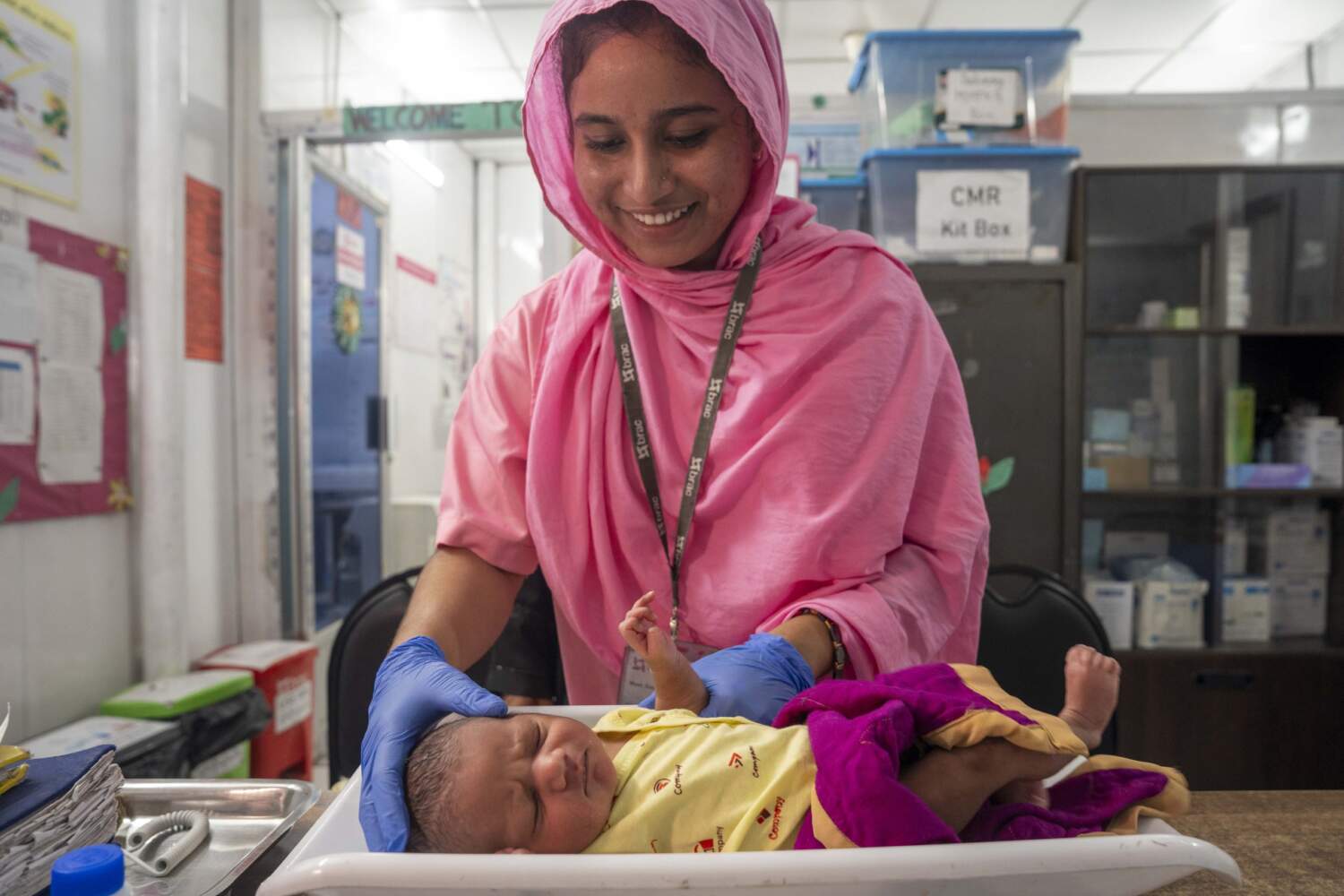
For Rohingya refugees in Bangladesh, humanitarian support has declined over successive years, affecting food assistance, healthcare, education, protection, and livelihood opportunities.
These reductions are particularly serious because refugees remain heavily dependent on assistance, with limited opportunities for self-reliance and no durable solution in sight.
Khalifa warns that reduced services increase exploitation risks, harmful coping strategies, social tensions, and other protection concerns while diminishing opportunities for young people.
He stresses the need for predictable financing and sustained international solidarity.
While all three recognize the influence of media visibility, their contributions reveal different dimensions of the problem: political pressure, public perceptions of aid effectiveness, and broader funding constraints.
Why Humanitarian Crises Become Forgotten
What can the Rohingya crisis, the African Sahel, Afghanistan, and other overlooked emergencies teach us about international neglect?
Prolonged emergencies can lose international attention even when needs remain severe. As new crises emerge, longstanding emergencies struggle to retain visibility, political engagement, and funding. Over time, neglect can become entrenched.
Egeland points to a recurring pattern in NRC’s annual reports. Mali, Burkina Faso, Cameroon, and the Democratic Republic of the Congo have repeatedly appeared among the world’s most neglected displacement crises.
Without sufficient attention and resources, he explains, emergencies become increasingly complex, compounding suffering and creating challenges that are harder and more costly to overcome.
Without sufficient attention and resources, emergencies become increasingly complex, compounding suffering and creating challenges that are harder and more costly to overcome.
“In such places, neglect is becoming chronic and normalized, with devastating consequences for the population,” he warns.
Khalifa identifies a similar pattern.
“Displacement crises often move out of the headlines because attention shifts elsewhere, not because needs decline,” he explains.
The Rohingya crisis illustrates this challenge.
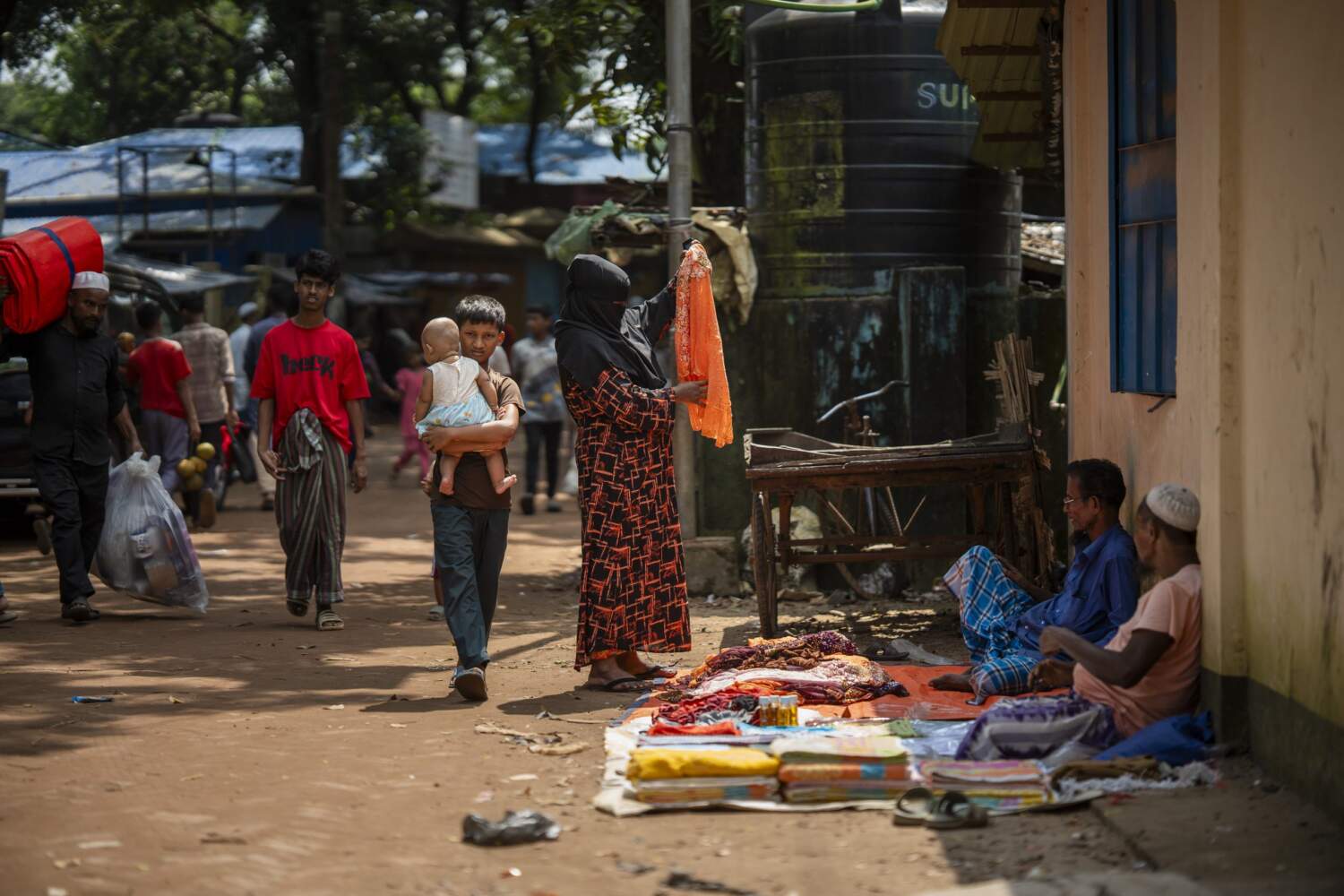
According to Khalifa, more than 155,000 Rohingya refugees have arrived in Bangladesh over the past two years, joining nearly one million already living in some of the world’s most densely populated refugee settlements.
Their needs remain acute, while the absence of a durable solution prolongs uncertainty.
Displacement crises often move out of the headlines because attention shifts elsewhere, not because needs decline.
The camps also face serious environmental risks. Extreme summer heat increases the danger of fires that can destroy hundreds of shelters within hours, while monsoon rains can trigger flash floods and landslides.
Khalifa emphasizes that continued support is not only a humanitarian obligation but also an investment in regional stability, protection, and human dignity.
“Continued solidarity is essential to ensure that a generation of refugees is not left behind simply because their crisis is no longer new,” he says.
Morshed approaches the problem through humanitarian storytelling.
He observes that attention often fades when an emergency stops producing major new developments. Sudden disasters are easier to communicate than prolonged crises involving interconnected political, social, and humanitarian challenges.
The Rohingya crisis, for example, encompasses conflict in Rakhine State, trafficking at sea, climate risks, and pressures on Bangladeshi host communities.
Yet coverage frequently reduces these issues to a familiar narrative of suffering.
Morshed acknowledges that humanitarian organizations contribute to this narrow portrayal when they emphasize individual projects rather than explaining collective achievements and how the broader crisis is evolving.
“We communicate projects well. We rarely communicate trajectory: what has changed, what is unresolved, and why it still matters,” he observes.
He calls for organizations to communicate the wider trajectory of an emergency together, rather than focusing solely on their individual contributions.
For the participants, neglect is therefore more than a shortage of publicity. It reflects political and financial disengagement, compounded by narratives that fail to convey the evolving complexity of prolonged crises.
Forgotten Humanitarian Crises: Breaking the Cycle of Neglect
What responsibility do humanitarian organizations and their media and communications teams have in breaking the cycle of neglect?
Humanitarian organizations have responsibilities beyond delivering assistance. They must also highlight unmet needs, advocate for vulnerable populations, and communicate the realities of overlooked emergencies.
Egeland argues that humanitarian organizations must speak openly about conditions on the ground and seek greater attention and funding for people suffering beyond the media spotlight.
However, he distinguishes humanitarian advocacy from the political decisions needed to address the underlying causes of emergencies.
“The actual power to change things does not rest with humanitarians,” he says.
That responsibility ultimately lies with political leaders, including those involved in conflicts and those capable of influencing them.
He recalls former UN High Commissioner for Refugees Sadako Ogata’s observation that “there are no humanitarian solutions to humanitarian problems.”
Morshed focuses on the responsibility of communications teams, distinguishing their role from that of independent journalists.
“The media are not there to raise funds. Their role is to inform the public, with limited space amid a constant flow of new crises,” he explains.
Humanitarian organizations, however, must sustain awareness of prolonged emergencies and explain both the needs of affected communities and the impact of assistance.
This requires long-term storytelling grounded in people’s experiences rather than publicity campaigns focused on individual organizational achievements.
Morshed also stresses that communication must never compromise human dignity.
“Consent, dignity and safety come before a powerful image or headline,” he says.
Sometimes, the responsible editorial decision is not to publish a photograph, regardless of its potential impact. Careless storytelling, he warns, can harm the very people humanitarian organizations seek to help.
Khalifa highlights sustained advocacy, public awareness, and engagement with governments, partners, and affected communities.
He also identifies an important role for Islamic humanitarian organizations and philanthropy in supporting prolonged displacement emergencies, including those affecting the Rohingya, Afghans, and communities across the Sahel.
He cites UNHCR’s Refugee Zakat Fund as an example of how Islamic social finance can help address funding gaps.
Through established Sharia-compliant mechanisms, including Zakat, Sadaqah, and waqf, these initiatives mobilize additional resources for refugees and internally displaced families, broadening the circle of solidarity.
Khalifa emphasizes, however, that Islamic philanthropy complements rather than replaces government contributions, which remain the cornerstone of UNHCR’s humanitarian funding and response.
These perspectives distinguish three essential responsibilities: political advocacy, ethical communication, and sustained resource mobilization.
Giving Affected Communities a Voice
How can communities with limited visibility in the global media make their voices heard?
Meaningful visibility requires more than appearing in news coverage. Affected communities must have opportunities to tell their own stories, participate in decisions, and influence policies and programs affecting their lives.
Egeland highlights the opportunities created by internet access and social media, which can enable communities experiencing crises to communicate directly with global audiences in real time.
Yet significant barriers remain, including biased algorithms and journalists’ reliance on established sources.
He urges humanitarian organizations to amplify overlooked voices and calls on journalists to move beyond superficial coverage that reduces complex emergencies to brief videos and soundbites.
Morshed similarly argues that communities should have greater control over their representation.
“The Rohingya community has much to say, and a rich tradition of storytelling,” he notes.
For BRAC, the priority is to enable people to become the authors of their own stories rather than merely subjects of humanitarian reporting.
Morshed proposes supporting local media, training community reporters, and creating safe opportunities for affected people to engage directly with journalists and policymakers on their own terms.
He also calls for sustained coverage of prolonged emergencies, citing a dedicated series on modern slavery established by The Guardian in 2013 with foundation support.
Donors, he suggests, could incorporate community storytelling into humanitarian grants or fund it independently.
But visibility alone is insufficient. Communities become more influential when they have greater control over resources and decisions.
When local organizations manage resources, Morshed argues, they can engage donors directly rather than relying on others to speak on their behalf.
“A community with a say over resources is far harder to forget than one seen only in a photograph.”
Khalifa reinforces the importance of recognizing refugees as active participants rather than passive recipients of assistance.
He highlights UNHCR’s efforts to include refugees in international discussions, including representation at the Global Refugee Forum.
Such participation enables people with lived experience to contribute to policies and solutions affecting their communities.
Khalifa also connects dignity and participation with humanitarian assistance.
He cites cash assistance, including support through the Refugee Zakat Fund, as an approach that enables displaced families to determine their own priorities, whether food, shelter, healthcare, or education.
This strengthens their agency, choice, and dignity by allowing them to decide what matters most to their families.
For Khalifa, meaningful participation ultimately means ensuring that affected communities help shape the policies, programs, and solutions that influence their lives.
Their proposals go beyond giving affected communities a platform, calling for greater influence over storytelling, resource management, and humanitarian decision-making.
Meet the Symposium Participants
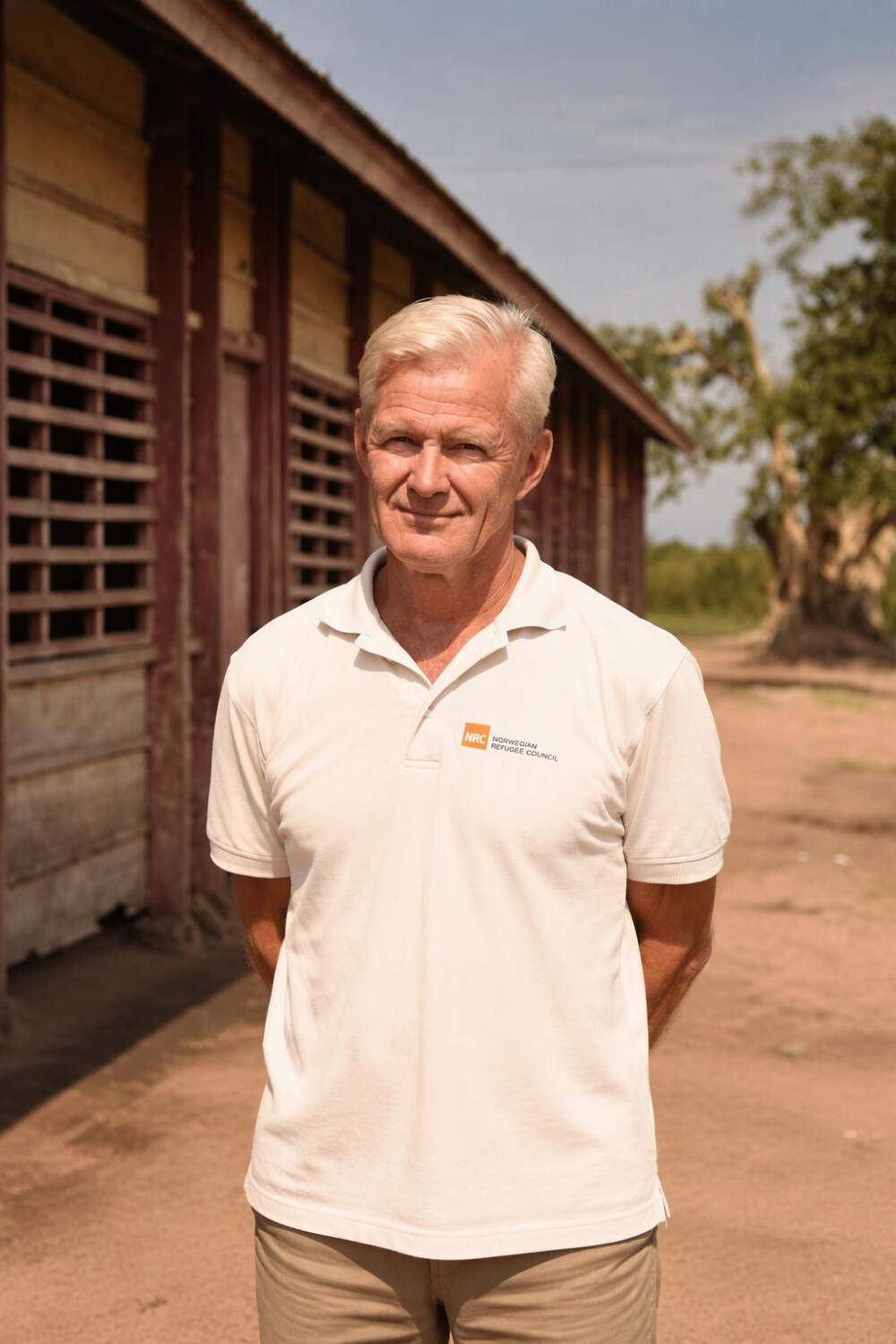
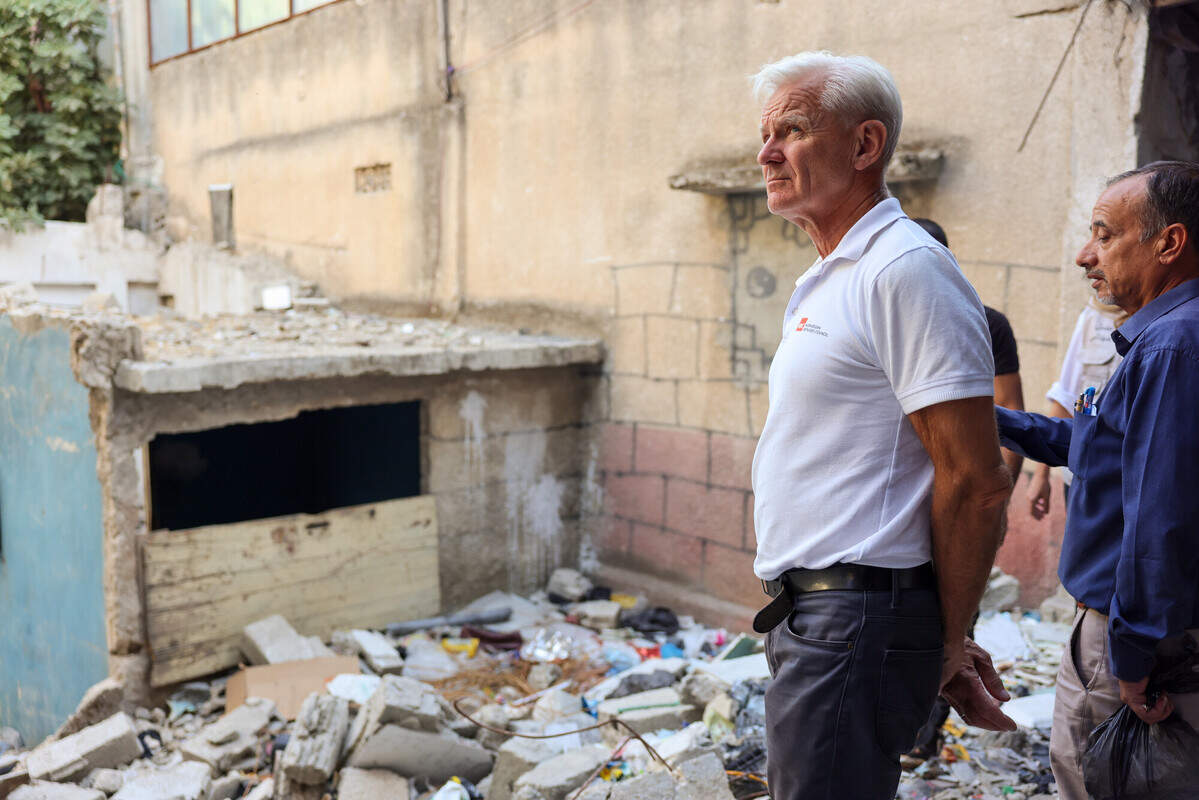
Jan Egeland
Secretary General, Norwegian Refugee Council (NRC)
Jan Egeland has led the Norwegian Refugee Council since 2013. He previously served as UN Under-Secretary-General for Humanitarian Affairs and Emergency Relief Coordinator from 2003 to 2006. His career also includes senior positions with Human Rights Watch, the Norwegian Red Cross, and Norway’s Ministry of Foreign Affairs. He is a prominent advocate for displaced populations, humanitarian access, and needs-based assistance, particularly in neglected crises.
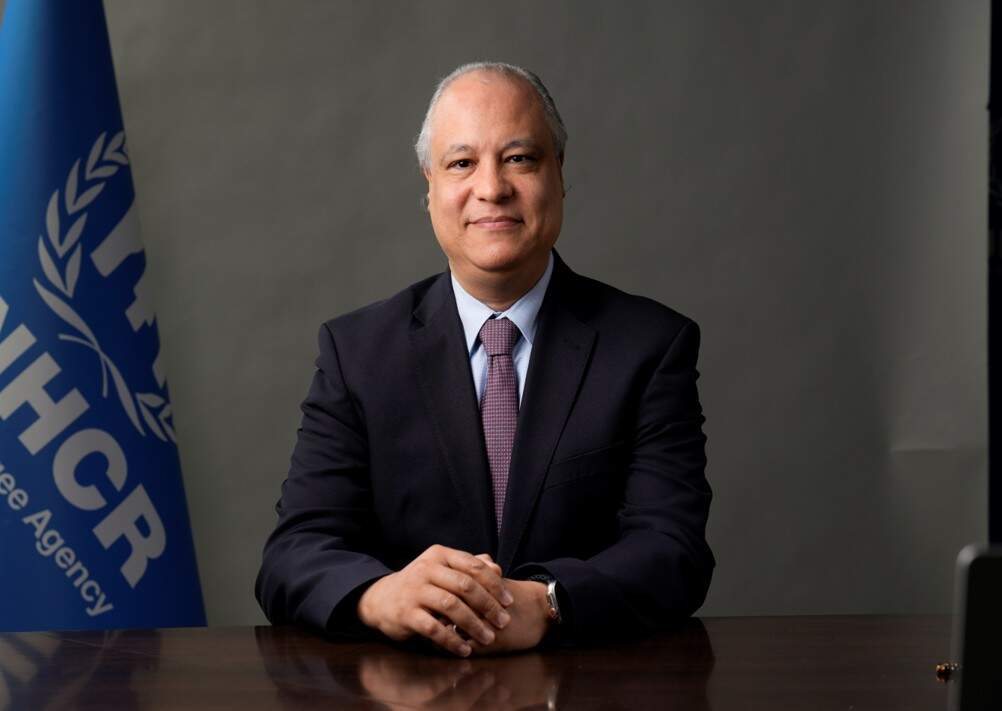
Dr. Khaled Khalifa
Senior Advisor to the UN High Commissioner for Refugees and UNHCR Representative to the Gulf Cooperation Council Countries
Dr. Khaled Khalifa has extensive experience in humanitarian relief and development, including senior roles with UNHCR and OCHA. He advises the High Commissioner on Islamic philanthropy and leads UNHCR’s efforts to mobilize Islamic social finance. He has played a central role in developing the Refugee Zakat Fund, focusing on humanitarian partnerships, sustainable financing, and support for refugees and internally displaced people.
KAM Morshed
Senior Director, Advocacy, Communication and Engagement, BRAC
KAM Morshed leads advocacy, communications, and engagement at BRAC, supporting policy dialogue, public messaging, and institutional partnerships. At BRAC, he leads policy and partner engagement for the Rohingya refugee response and the organization’s localization efforts. Before joining BRAC in 2015, he worked with the United Nations Development Programme in Bangladesh on policy, innovation, and communications. His experience spans development policy, humanitarian response, governance, and organizational strategy, with particular interests in social innovation and strengthening local organizations.