Arab and Islamic charitable organizations face major challenges as accusations falsely linking them to extremism or support for unlawful entities continue to spread. Amid increasingly complex political and security conditions, humanitarian action has become vulnerable to systematic targeting in various forms, including financial and legal restrictions, reputational attacks and the politicization of judicial proceedings.
The legal success achieved by Qatar Charity in the United States represents an important milestone in protecting humanitarian action from attempts to discredit it. After years of allegations and lawsuits seeking to falsely associate the organization with extremist groups, all cases filed against it in the United States were dismissed by November 2025. This outcome represented an institutional and legal victory that reflected the strength of Qatar Charity’s governance and compliance systems, while reinforcing international confidence in the integrity and transparency of its work and its adherence to international humanitarian and financial standards.
This success extends beyond restoring Qatar Charity’s reputation. It also strengthens the protection of the wider humanitarian space and demonstrates that campaigns based on the misuse of legal procedures, the political exploitation of judicial proceedings, commonly referred to as “lawfare,” and reputational attacks against humanitarian organizations can be challenged through strong governance, transparency, compliance and rigorous legal action.
This victory also reaffirmed that humanitarian action must remain independent of political agendas, and that organizations supported by robust governance systems are better equipped to defend their role and mission.
In this symposium, Ghiras explores the roots of this phenomenon, its implications for the future of humanitarian action, and its wider consequences. These issues are examined through a series of questions addressed to charitable-sector representatives and humanitarian researchers:
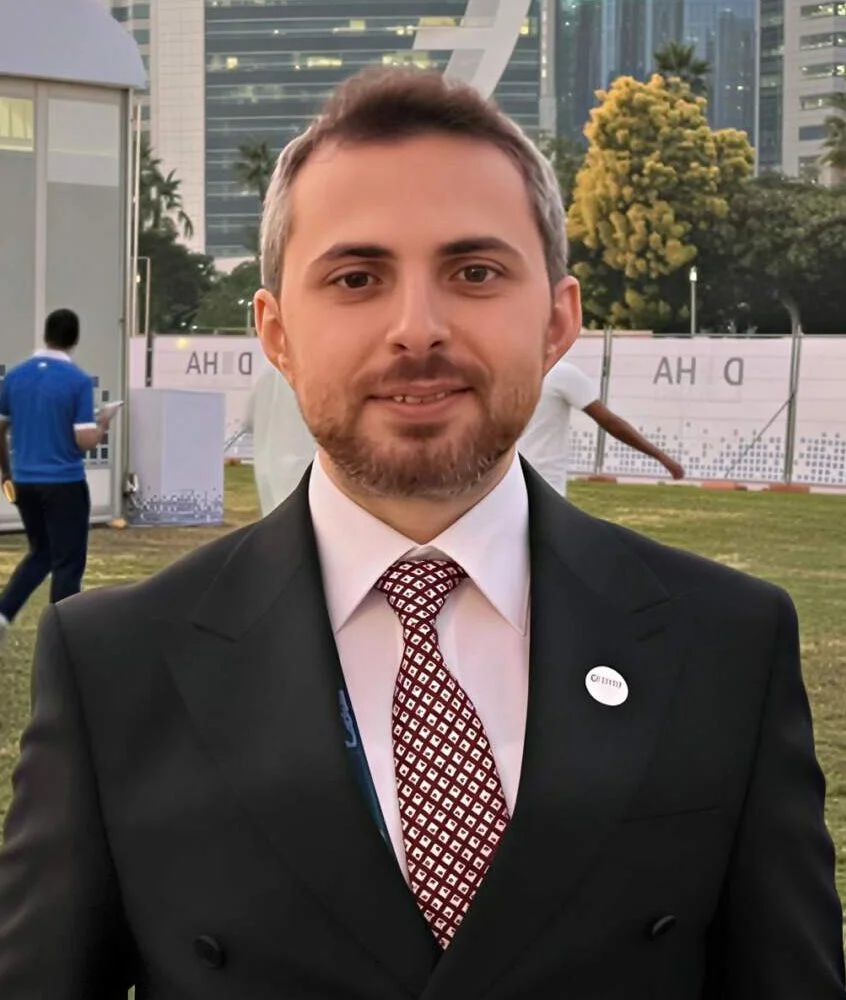
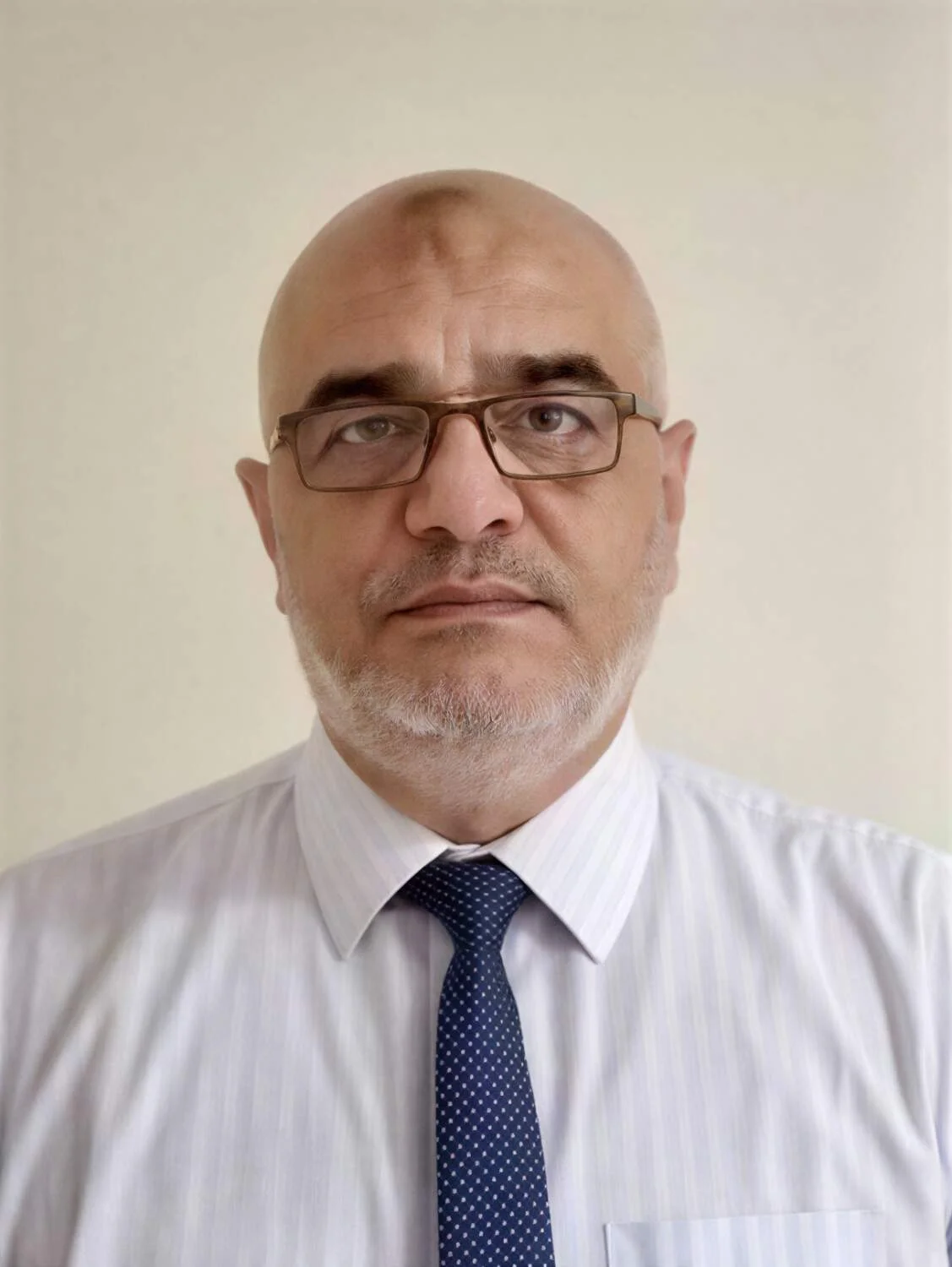
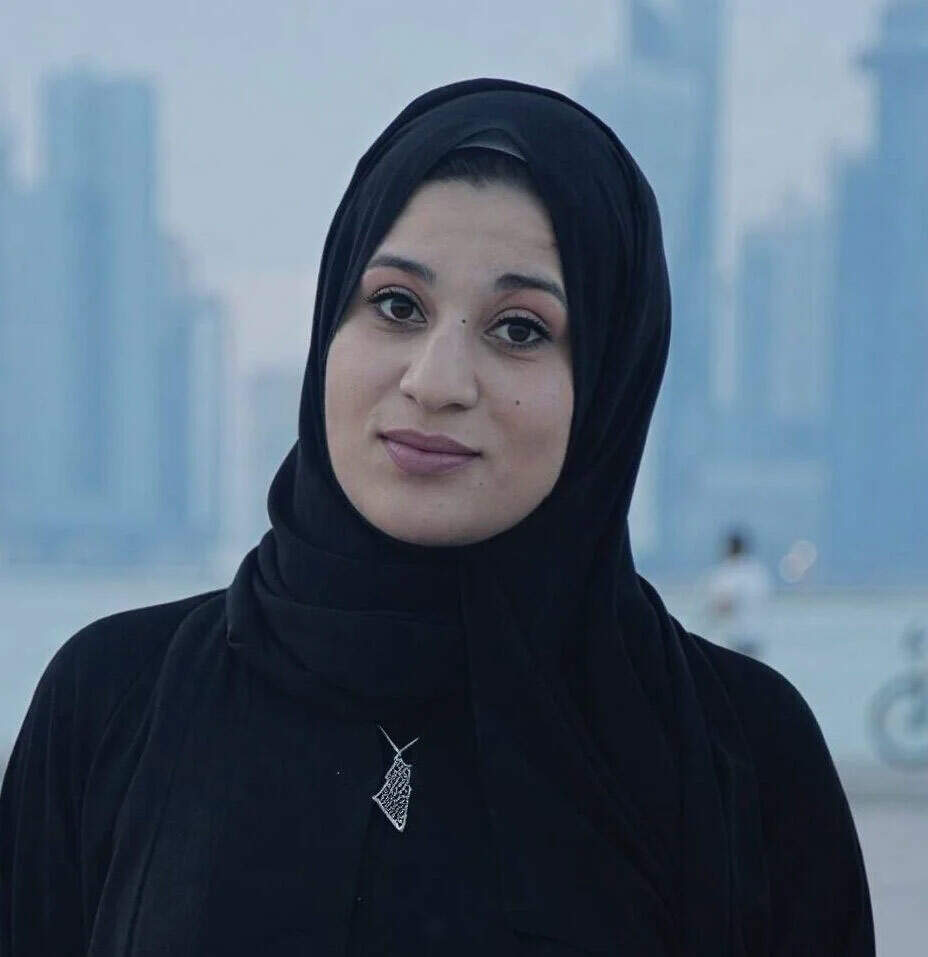
- Lotfi Ali, Executive Director for the Middle East and Waqf at Human Appeal
- Muhammed Bashir, Coordinator of the Arab Countries Relations Unit at the İHH Humanitarian Relief Foundation
- Esraa Saleh, Humanitarian Researcher
The discussion follows:
Key points from this symposium
- All lawsuits filed against Qatar Charity in the United States were dismissed by November 2025, after years of allegations falsely linking it to extremist groups.
- The targeting takes three recurring forms: financial and legal restrictions, reputational attacks, and the politicization of judicial proceedings.
- Lawfare is the political use of legal proceedings. It is countered by strong governance, transparency and compliance, and by rigorous legal action.
- The tools of these campaigns: misinformation, conspiracy theories, hate speech, and reports that recycle the same allegations until they look like accepted fact.
- The most dangerous tools are not media campaigns but financial and legal measures that cut a charity off from its donors and beneficiaries.
- The symposium brings together Lotfi Ali of Human Appeal, Muhammed Bashir of the İHH Humanitarian Relief Foundation, and researcher Esraa Saleh.
Reasons Behind the Targeting
What are the motives behind allegations linking Arab and Islamic charities to extremist or terrorist groups, and what are the main tools used to make such allegations?
Lotfi Ali:
The primary objective of these accusations is to delegitimize Islamic charities and undermine public confidence in them by associating them with allegations of extremism that lack any genuine basis. At their core, these campaigns are political. They seek to restrict the role of humanitarian organizations by distorting their missions and creating an atmosphere of suspicion around them.
The methods used range from disseminating misinformation and promoting conspiracy theories to exploiting hate speech amplified by right-wing platforms. Reports may also recycle the same allegations, creating the false impression that they are widely accepted as fact.
Muhammed Bashir:
The most dangerous tools used to target charities are not limited to media campaigns. They also include financial and legal measures designed to isolate charitable organizations from both ends of the humanitarian process: donors and beneficiaries. Disrupting the flow of funds or creating uncertainty around an organization’s legal status may be sufficient to paralyse its work without the need for an explicit ban.
This pattern is particularly evident in conflict zones, where warring parties may seek to reshape the humanitarian landscape through political and security classifications, sanctions, and systematic reputational attacks.
The presence of humanitarian organizations as neutral actors helps limit the logic of collective punishment and establishes an ethical threshold within a conflict. This can make such organizations targets for parties unwilling to allow even minimum levels of humanitarian protection.
Esraa Saleh:
These accusations cannot be understood solely as legal or security matters. They must also be considered within an international political structure that seeks to reshape the global humanitarian space according to prevailing power dynamics and structures of dominance.
Islamic charitable work is often portrayed as a “suspect environment,” despite being historically rooted in the Islamic traditions of zakat, waqf and social solidarity. Humanitarian action consequently becomes acceptable only when it passes through particular systems, often Western or international, while local actors, especially in the Arab and Islamic worlds, may be regarded as “untrustworthy.”
Accusations can therefore be used to deprive organizations of resources. The objective is not always to secure a conviction, but to create a climate of fear that drives donors away and restricts humanitarian access.
Those who possess legal and financial instruments exercise the ultimate control. Broadly framed counterterrorism laws serve as the most challenging and formidable of these tools. Consequently, they have driven financial designations—such as sanctions lists—alongside large-scale civil litigation in Western courts, and the rise of media campaigns coupling ‘Islam’ with ‘threat’ narratives and Islamophobia. The primary objective of these tactics is to paralyze the operations of these charitable organizations through banking pressures and the closure of financial transfer channels.
Risks Arising from the Politicization of Law
What risks does lawfare pose to humanitarian action?
Muhammed Bashir:
The real danger lies not in the law itself, but in its politicization and use for purposes unrelated to justice. When judicial proceedings are used to damage reputations, impose financial isolation or exclude particular actors, the law becomes a weapon in the hands of political factions.
One clear sign of such misuse is the deliberate coordination of legal proceedings with media campaigns designed to establish a presumption of guilt in the public mind before any judicial decision has been issued.
These practices drain institutional resources and draw organizations into lengthy and complex legal proceedings. They may also damage banking relationships and undermine the ability of organizations to manage their daily operations, even when the lawsuits against them are ultimately dismissed.
Esraa Saleh:
Lawfare is the use of law for political purposes to weaken opponents or restrict their capabilities, rather than as a framework for justice. Its risks to humanitarian action are profound, particularly for Islamic charitable organizations.
It can criminalize relief instead of protecting it, transforming humanitarian assistance from a duty into a source of legal suspicion. Organizations can be disrupted through intimidation and legal procedures even in the absence of a conviction. The opening of an investigation or the filing of a lawsuit may be enough to cause operational paralysis and create an environment that discourages locally led humanitarian action.
In Gaza, for example, Arab, Gulf-based and local charities are often among the organizations best positioned to reach affected communities, yet they can face political and legal restrictions imposed by the occupying authorities.
A related problem is the misunderstanding of the Islamic context of charitable work. In the Islamic tradition, charity is not merely a donation. It forms part of a religious and social system encompassing zakat, waqf, sadaqah and sponsorship. In some Western frameworks, however, this system may be treated as “non-transparent” financing because it is not understood within its original environment.
Major humanitarian organizations such as Qatar Charity may consequently face two forms of pressure:
- Direct politicization
- A structural misunderstanding of Islamic charitable work
Undermining Humanitarian Neutrality
What are the most significant challenges arising from accusations against Arab and Islamic charities and the growing misuse of legal procedures?
Lotfi Ali:
The most damaging consequence is not only the harm caused to the public image of Islamic charities, but also the direct effect on donor confidence and relationships with public authorities.
One of the most complex challenges is the closure or freezing of bank accounts because of unsubstantiated suspicion. Such risks may arise not from facts or evidence, but from systematic disinformation campaigns targeting Islamic organizations as part of a wider climate of hostility.
Muhammed Bashir:
The politicization and misuse of law create a charged environment in which humanitarian organizations lose their sense of legal security and confidence in the justice system begins to erode.
At the same time, public suspicion toward these organizations increases, adversely affecting their ability to implement projects and reach affected communities.
The consequences are not limited to the organizations being targeted. They threaten fundamental humanitarian principles, particularly credibility and impartiality. When humanitarian work is disrupted at critical moments, civilians, rather than the targeted institutions, ultimately pay the greatest price.
Esraa Saleh:
The risks include turning relief and charitable work into an arena for political confrontation rather than treating humanitarian assistance as a right for civilians. They also include declining donor confidence, disruption of projects in conflict zones, lasting stigma even after cases have been dismissed, prolonged and costly legal proceedings, and reduced access to funding as a result of bank de-risking policies.
Strategic Lines of Defense
What strategic measures can protect charitable organizations and strengthen their position against such accusations?
Lotfi Ali:
The first line of defense begins within the organization by strengthening governance and embedding a culture of compliance and transparency at every level.
Organizations should publish audited annual reports and maintain continuous communication with regulators and the public. This strengthens confidence and demonstrates professional commitment.
Independent research that exposes disinformation campaigns can also help organizations develop strong, evidence-based arguments when responding to politicized attacks.
Muhammed Bashir:
An effective defense must be institutional and systematic. It begins with robust internal auditing systems, mechanisms for verifying partners and beneficiaries without compromising the quality of humanitarian work, stronger legal preparedness and recognition of advocacy as an integral part of humanitarian action rather than merely a reaction to crises.
Proactive advocacy enables organizations to address potential problems before they escalate, reduce the cost of legal crises, and preserve the legitimacy of humanitarian action in the eyes of governments and financial institutions.
Esraa Saleh:
Lines of defense must be comprehensive rather than exclusively legal. They should begin with a proactive media narrative explaining the nature of Islamic charitable work.
This must be supported by strong governance and a high degree of financial transparency, including full documentation of aid pathways and supply chains. Organizations should invest in legal preparedness from an early stage rather than responding only after a crisis emerges.
Partnerships with United Nations entities and local stakeholders are also important. An effective defense begins with the recognition that such targeting is directed not only at institutional files, but also at the meaning and legitimacy of the humanitarian mission itself.
Collective Cooperation
How important is cooperation among charitable organizations in responding to these accusations?
Lotfi Ali:
Cooperation among charitable organizations, particularly Islamic charities, has become a necessity rather than a choice. Because the accusations are systematic, they require a collective response.
Harmonizing messages, exchanging expertise, and working through joint coordination frameworks can strengthen the position of the targeted humanitarian sector before regulators and the media.
Muhammed Bashir:
Coordination among humanitarian organizations is one of the most important factors in sustaining humanitarian space.
The banking sector is naturally reluctant to engage in conflict zones. Collective coordination among humanitarian organizations is therefore essential when advocating for humanitarian exemptions and proposing balanced, practical solutions that protect the financial system while allowing humanitarian operations to continue.
This model of cooperation can also be applied within legal and diplomatic frameworks, strengthening the capacity of organizations to respond to shared challenges.
Esraa Saleh:
Cooperation is essential because individual responses weaken the sector as a whole. Joint legal alliances and coalitions should be established to exchange expertise in compliance and governance.
These arrangements should also include collective media-response platforms, international advocacy networks and a unified narrative explaining the distinctive nature of Islamic charitable work. Such a coordinated structure has yet to be fully established.
A Practical Model: Qatar Charity’s Experience
How important is it to learn from Qatar Charity’s experience in securing the dismissal of all lawsuits filed against it in the United States, and from similar cases?
Lotfi Ali:
We commend Qatar Charity’s experience and regard it as a successful example of how humanitarian organizations can protect themselves when legal and media responses are managed effectively.
Its experience offers a model that can inform responses to similar campaigns through rigorous legal action and measured engagement.
Muhammed Bashir:
Qatar Charity’s experience represents a significant milestone. The organization moved from being the target of systematic reputational attacks to becoming a model for crisis management.
Its success in securing the dismissal of the lawsuits demonstrates that the misuse of legal processes can be addressed through integrated institutional action. In my view, this achievement belongs not only to Qatar Charity, but to the humanitarian sector as a whole, because it helps reaffirm the legitimacy of humanitarian action.
Esraa Saleh:
The experience is more than a legal success. It offers a strategic lesson for the wider Islamic charitable sector by demonstrating that an accusation does not constitute a conviction.
It also shows that misunderstanding the nature of humanitarian and charitable work does not justify accusations against it. Through investment in compliance, governance and international legal preparedness, Qatar Charity has offered Islamic charitable organizations a practical model for defending themselves.
The experience further highlights a deeper concern: some litigation may not function solely as a route to justice, but as part of a prolonged and politically driven lawfare strategy.
How charities are targeted, and how they protect themselves
What does lawfare mean in humanitarian work?
It is the political use of legal and judicial proceedings against an organization, through the misuse of litigation rather than proof of an actual violation. It is countered by strong governance, transparency and compliance, and by rigorous legal action.
What tools are used in campaigns to discredit charities?
Misinformation, conspiracy theories and hate speech amplified on certain platforms, together with reports that recycle the same allegations until they appear to be accepted fact.
Why are financial measures more dangerous than media campaigns?
Because they isolate a charity from both ends of the humanitarian process: donors and beneficiaries. Disrupting the flow of funds or creating uncertainty about its legal status can be enough to paralyse its work without any explicit ban.
How can a charity protect itself from these campaigns?
Through strong governance, transparency and compliance with international financial and humanitarian standards, backed by legal preparedness. Qatar Charity’s experience shows that this path can lead to the dismissal of such allegations in court.
