The ethics of giving in humanitarian work are shaped by culture, and the Islamic tradition roots them in dignity, justice and sustainability.
A cultural reading that explores the ethics of giving and examines how values and dignity shape humanitarian action, with particular focus on the Islamic experience.
Ethics of Giving in Humanitarian Work at a Glance
- Ethics develop within specific cultural, social and historical contexts, so translating shared values into action is always mediated by culture.
- Modern Western giving, collective giving in many societies in Asia and Africa, and the Islamic model rest on different philosophical foundations.
- In the Islamic tradition, Zakat turns giving from a voluntary act into a defined obligation tied to social justice.
- Giving is measured by its ability to preserve the humanity of the recipient: dignity is an integral part of morality.
- Waqf and Maqasid al-Sharia point to sustainability and a conscious ethical practice that focuses on goals, not just tools.
Indeed, humanitarian action has never been a neutral technical exercise, nor a simple act of charity driven solely by emotion. Since the earliest moments of human interdependence, giving has been intertwined with systems of values and enduring questions about goodness, duty, dignity, and justice.
In today’s world, where humanitarian action has evolved into a vast global sector involving UN agencies, governments, civil society, and faith-based organizations, a pressing question emerges. Do we practice humanitarian action according to a single ethical framework? Or, in other words, do the very ethics of giving change across cultures?
In fact, this question is not confined to theoretical debate; it touches the very core of humanitarian practice today. Specifically, it shapes how aid is delivered, how recipients are perceived, how dignity is understood, and the boundaries of what is considered ethical or unethical in humanitarian work. From this perspective, examining humanitarian ethics through a comparative cultural lens, and engaging the Islamic experience as a comprehensive civilizational model, rather than a mere footnote to a single humanitarian narrative, becomes essential.
Ethics of Giving in Humanitarian Work: Universal Values and Culture
Comparative ethics studies point to a fundamental truth: ethics do not emerge in a vacuum, but develop within specific cultural, social, and historical contexts. Concepts such as “goodness” and “humanitarian duty” derive their meaning from the environments that shape them, even when humanity shares overarching values.
Moreover, what may appear self-evidently ethical in one cultural setting can be interpreted differently in another. This does not negate our shared humanity; rather, it highlights that translating values into action is always mediated by culture.
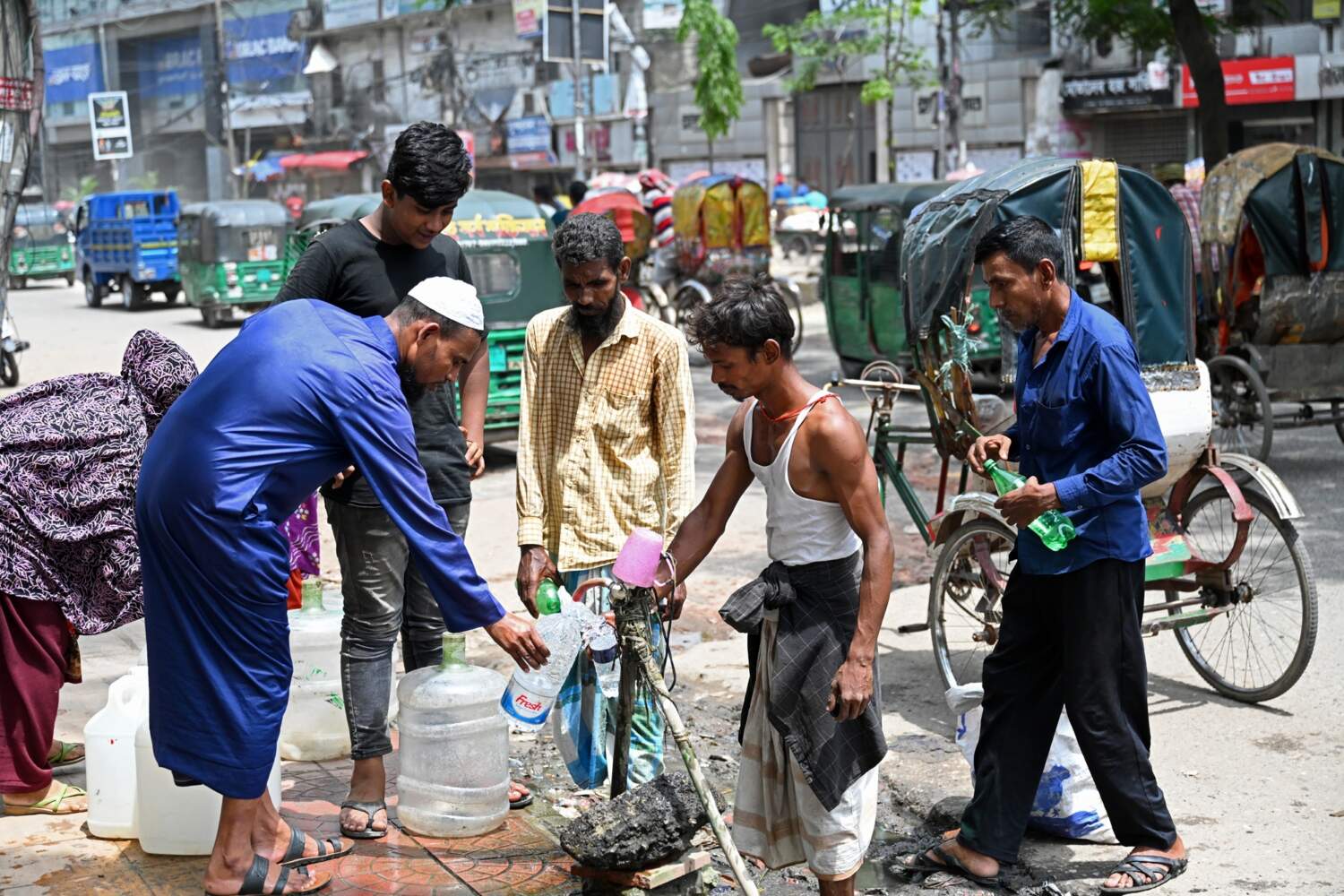
For example, in humanitarian work, these differences are visible in key areas: how eligibility is defined, how beneficiaries are engaged, the nature of the relationship between donor and recipient, and even how success is measured. Is success speed of response, preservation of dignity, sustainability, or empowerment?
Philosophies of Giving Across Cultures
In general, across cultures, giving is understood through different philosophical frameworks. For instance, in the modern Western context, it is often associated with civil society, institutional philanthropy, and individual social responsibility. Giving here is also typically viewed as a voluntary act, driven by personal conviction and supported by systems of law, transparency, and accountability.
On the other hand, many societies in Asia and Africa view giving as a collective social practice. It is further shaped by kinship ties and social belonging, where solidarity and reciprocity prevail, and where the distinction between “donor” and “beneficiary” is less pronounced.
However, amid this diversity, the Islamic model stands out as distinct in both its philosophical foundations and ethical organization of giving.
In short, the three views can be compared as follows:
| View | How giving is understood | Main features |
|---|---|---|
| Modern Western context | A voluntary act driven by personal conviction | Civil society, institutional philanthropy and individual social responsibility, supported by law, transparency and accountability |
| Many societies in Asia and Africa | A collective social practice | Kinship ties and social belonging, solidarity and reciprocity, and a less pronounced distinction between donor and beneficiary |
| Islamic tradition | Embedded in a comprehensive ethical and legislative framework | Zakat as a defined obligation tied to social justice, expanded through Waqf, Kaffarat and organized Sadaqah |
Ethics of Giving in Humanitarian Work: The Islamic Tradition
Specifically, what distinguishes the Islamic model is that giving is not left solely to individual initiative; it is embedded within a comprehensive ethical and legislative framework. In particular, Zakat, as one of the pillars of Islam, transforms giving from a voluntary act into a defined obligation, directly tied to social justice.
Additionally, Zakat is not merely financial support for families with limited income. It is a systemic tool designed to restore balance within society and prevent the concentration of wealth within a limited group. Over time, this framework expanded through mechanisms such as Waqf (endowments), Kaffarat (expiations), and organized Sadaqah (charity), which supported education, healthcare, and social welfare across centuries.
Overall, in this sense, humanitarian action in the Islamic tradition is not a temporary response to crises; it is a part of the social order and a sustained expression of ethical responsibility.
Human Dignity
Above all, at the heart of the Islamic philosophy of giving lies a central principle: human dignity. Giving is not measured by its material value, but by its ability to preserve the humanity of the recipient. Thus, the Qur’anic warning against invalidating charity through reminders of generosity or causing harm affirms a clear ethical truth: dignity is an integral part of morality, not a cosmetic addition to it.
Furthermore, this perspective resonates strongly with contemporary humanitarian debates. Consequently, it raises critical questions:
First, how do we portray suffering?
Second, how do we document aid delivery?
Finally, do some communication and media tools, unintentionally, become instruments that symbolically violate the dignity of those in need?
Additionally, in this context, Islamic ethics intersect with contemporary debates within international organizations, warning against the commodification of suffering and the reduction of individuals to a state of permanent need.
Humanity Comes First
A defining feature of the Islamic approach is that giving is not based on religious or ethnic identity, but on human need. People are supported because they are in need, not because they belong to a particular group.
Indeed, this concept found practical expression during historical periods marked by broad religious and cultural coexistence within Muslim societies.
Today, amid recurring accusations of politicizing humanitarian aid or linking it to specific agendas, this perspective gains renewed ethical significance, reaffirming a principle that is both simple and profound: humanity comes first.
Sustainability and Empowerment
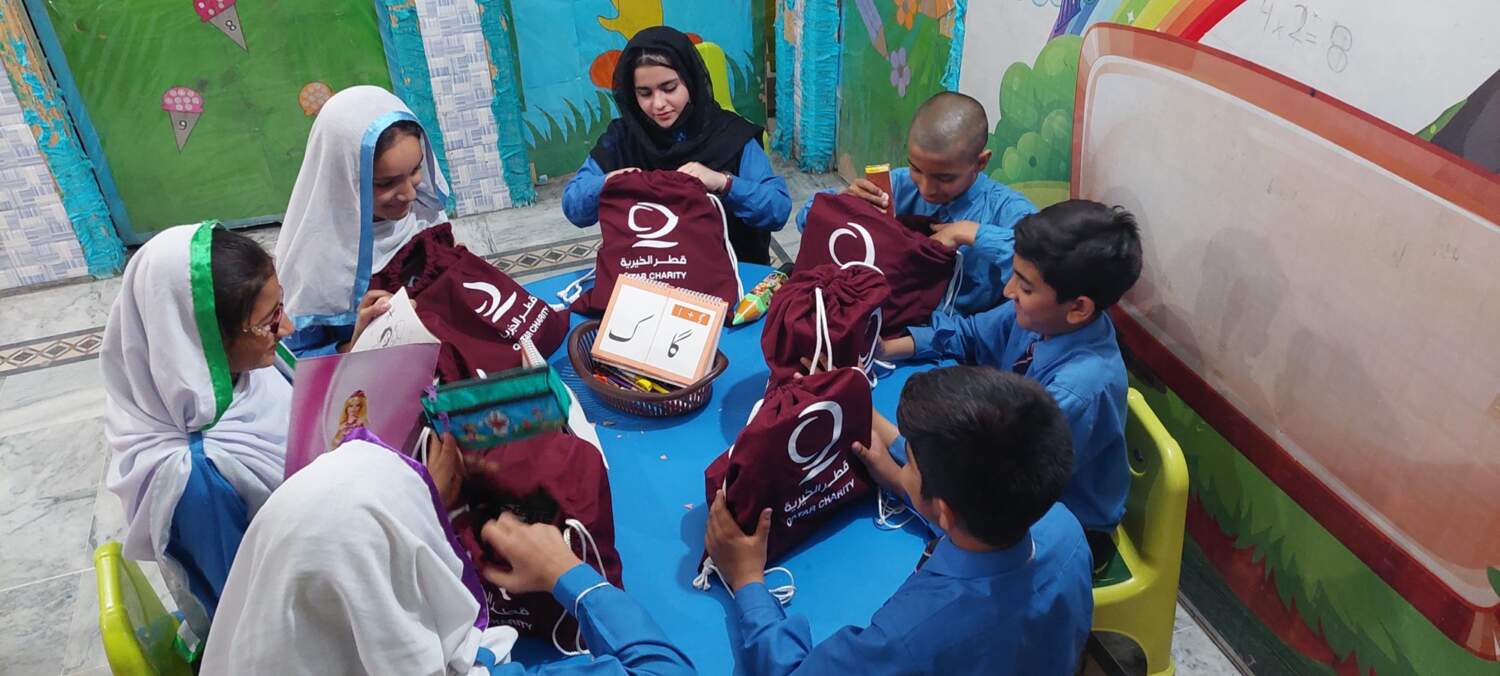
Moreover, the ethics of giving in Islam extend beyond immediate relief to a forward-looking vision. The question is not only how to respond to need, but how to reduce and ultimately overcome it.
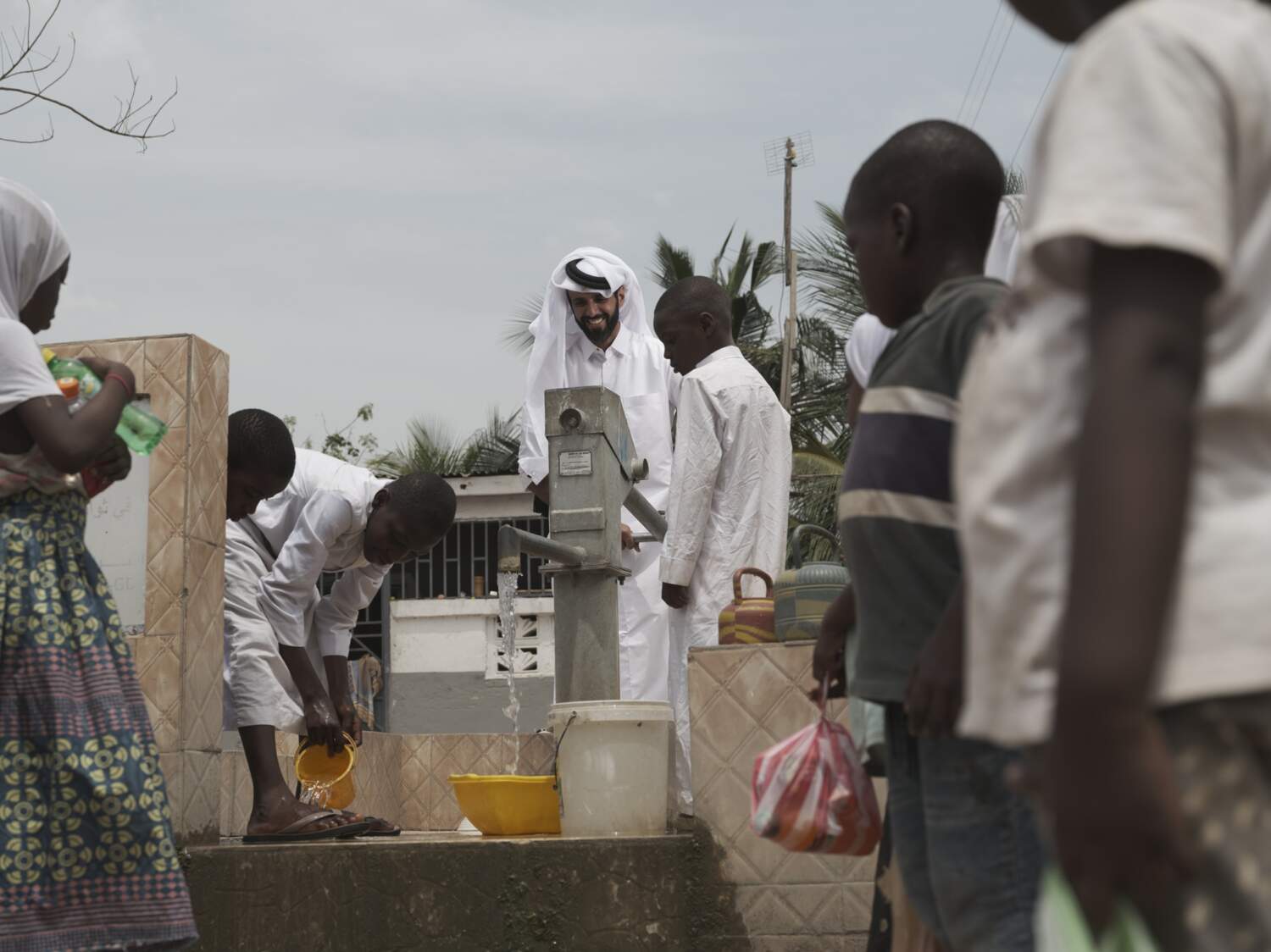
Specifically, the institution of Waqf offers a powerful early model of sustainability. As a result, by transforming charitable giving into productive, enduring assets, it ensured continuous benefit for communities over time. Rather than addressing temporary needs alone, it fostered long-term resilience and stability.
Equally, this is especially important today as modern charity shifts from temporary relief to long-term development and empowerment. While these ideas are widely shared now, they have early and deep roots in Islamic history.
Maqasid: A Comprehensive Ethical Framework
In essence, the concept of Maqasid al-Sharia (The higher objectives of Islamic law) offers a comprehensive framework for understanding humanitarian action as an ethical endeavor aimed at safeguarding life, dignity, wealth, and social stability.
Therefore, when this framework is applied, humanitarian work shifts from program delivery to a conscious ethical practice that focuses on goals, not just tools.
This approach is especially relevant today, as success is often measured by numbers and indicators, sometimes at the expense of deeper human meaning.
Enriching the Global Conversation on the Ethics of Giving in Humanitarian Work
The significance of the Islamic experience does not lie in presenting it as an “alternative” to contemporary humanitarian principles, but in its ability to enrich the global dialogue on humanitarian ethics. It reminds us that universal values are not confined to a single model, but gain strength through diverse sources.
Furthermore, in a world of increasingly complex crises, there is a growing need for a more culturally humble and inclusive humanitarian discourse, one that remains open to different civilizational experiences without compromising shared ethical ground.
Likewise, viewing humanitarian ethics through a comparative cultural lens does not weaken universal values; rather, it protects them from rigidity and from becoming tools of dominance. In sum, the Islamic experience, in both its ethical and institutional dimensions, shows that giving can be a sustained commitment, one that preserves dignity, advances justice, and fosters sustainability.
In conclusion, reconsidering the ethics of humanitarian action, therefore, is not an intellectual luxury, but a cultural and moral necessity, one that restores the human being to the center of humanitarian work, not at its margins.
Questions About the Ethics of Giving in Humanitarian Work
What shapes the ethics of giving in humanitarian work?
Ethics do not emerge in a vacuum, as they develop within specific cultural, social and historical contexts, so the same shared value can be translated into action differently across cultures.
How does the Islamic tradition frame the ethics of giving in humanitarian work?
Specifically, giving is embedded within a comprehensive ethical and legislative framework. In addition, Zakat turns it into a defined obligation tied to social justice, and human dignity sits at the heart of the philosophy of giving.
How does Waqf link the ethics of giving in humanitarian work to sustainability?
In particular, Waqf transforms charitable giving into productive, enduring assets. As a result, this ensured continuous benefit for communities over time and fostered long-term resilience and stability.