In short, safe water in coastal Bangladesh has become a daily search for thousands of families as salt takes over rivers and ponds.
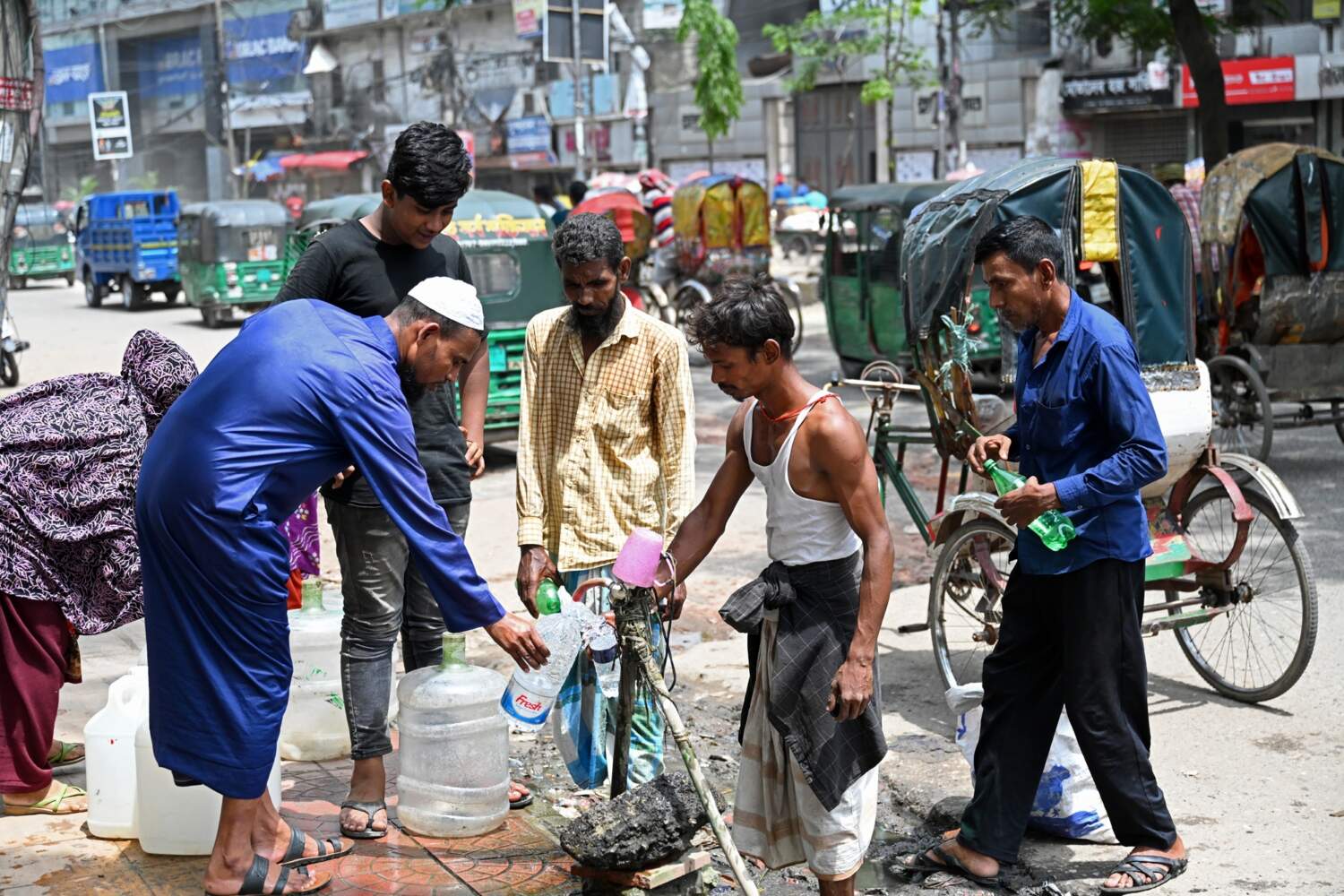
As dawn breaks over the coastal villages of southwestern Bangladesh, thousands of families begin their day not with breakfast or work, but with a desperate search for safe drinking water. Moreover, in places where rivers once flowed fresh and ponds sustained life, salt has quietly taken over. What should be a basic human right has become a daily ordeal, one that drains time, energy, health, and hope.
Across districts such as Khulna, Satkhira, and Bagerhat, families are living with the harsh reality of water insecurity. Climate change, rising seas, and environmental neglect have turned once-reliable water sources into brackish pools unfit for drinking. For coastal communities, the struggle for safe water is no longer seasonal. It is constant, exhausting, and deeply personal.
Safe Water in Coastal Bangladesh in Short
- Overall, thousands of families in coastal villages of southwestern Bangladesh begin each day with a search for safe drinking water.
- Specifically, sea-level rise, shrinking freshwater flows, and stronger tidal surges push saltwater farther inland each year.
- The responsibility of collecting water falls on women and girls in most coastal households.
- In addition, long-term consumption of saline water has been linked to high blood pressure, kidney disease, and heart complications.
- Addressing the crisis demands stronger climate adaptation investments, inclusive governance, and global solidarity.
Safe Water in Coastal Bangladesh: A Silent Crisis with Immediate Pain
The creeping intrusion of saline water is one of the most visible and painful consequences of climate change along Bangladesh’s coast. Sea-level rise, shrinking freshwater flows, and stronger tidal surges push saltwater farther inland each year. Tube wells that once provided sweet water now release water so salty it burns the throat.
For families, this means choice without choice: drink unsafe water and risk illness, or walk for hours to find a source that might still be usable. “The water looks clear,” says a farmer from Satkhira, “but after drinking it for years, our bodies have become sick.”
This is not a distant environmental threat. It is a crisis unfolding inside kitchens, schools, and clinics, reshaping daily life for millions.
The Burden on Women and Girls Seeking Safe Water in Coastal Bangladesh
In most coastal households, the responsibility of collecting water falls on women and girls. In addition, every day, they walk several kilometres under the scorching sun or through flooded paths, carrying heavy containers back home. This labor begins before sunrise and often continues until late morning.
Moyna Begum, who lives near the Sundarbans, wakes up before dawn to fetch water for her family of five. The journey takes hours. “Some days my arms go numb from carrying water,” she says. “But if I don’t go, my children will have nothing to drink.”
These journeys come at a high cost. Girls miss school. Women lose time for income-generating work and caregiving. Physical strain and safety risks are constant, reinforcing cycles of deprivation and gender inequality.
Health Consequences That Go Unseen
The health impacts of unsafe drinking water are quietly devastating. Long-term consumption of saline water has been linked to high blood pressure, kidney disease, and heart complications. Children suffer from dehydration and waterborne illnesses, while elderly people struggle with worsening chronic conditions.
Women face particular hardships. Limited access to clean water compromises hygiene and reproductive health, increasing infections and pregnancy-related risks. The lack of adequate water also affects dignity and wellbeing in everyday life.
Rural health facilities, already under-resourced, are struggling to cope with the growing burden, treating symptoms while the root cause remains unaddressed.
Inequality Shapes Who Survives the Crisis
Not all families experience the crisis equally. Households with financial means can buy purified water or install filtration systems. Low-income families cannot. Rainwater harvesting offers some relief, but storage capacity is limited and unreliable during dry months.
Community solutions, such as pond sand filters, deep tube wells, and shared water points, have shown promise. Yet many fail due to weak maintenance, rising salinity, and lack of long-term institutional support. When systems break down, communities are left once again to fend for themselves.
A Question of Climate Justice
The suffering of Bangladesh’s coastal communities raises profound questions of global justice. These families have contributed little to climate change, yet they endure some of its most severe consequences. Their water crisis is not only an environmental problem. It is a human rights issue.
Ensuring safe drinking water is fundamental to dignity, health, and survival. Addressing this crisis demands stronger climate adaptation investments, inclusive governance, and global solidarity. It directly aligns with Sustainable Development Goals on clean water, climate action, and reduced inequalities.
Dignity Begins with Safe Water in Coastal Bangladesh
For families like Moyna Begum’s, the dream is simple: safe drinking water close to home. No long walks. No illness. No fear for their children’s future.
As climate impacts deepen, the struggle for water in coastal Bangladesh will only intensify unless decisive action is taken. Responding to this crisis is not just about infrastructure. It is about protecting lives, restoring dignity, and standing with communities on the frontlines of climate change.
Because access to safe water should never be a daily battle for survival.
Questions About Safe Water in Coastal Bangladesh
Why is safe water in coastal Bangladesh so hard to find?
Climate change, rising seas, and environmental neglect have turned once-reliable water sources into brackish pools unfit for drinking. Moreover, sea-level rise, shrinking freshwater flows, and stronger tidal surges push saltwater farther inland each year.
Who is most affected by the lack of safe water in coastal Bangladesh?
In most coastal households, the responsibility of collecting water falls on women and girls. Girls miss school, and women lose time for income-generating work and caregiving.
What does the crisis mean for health?
Long-term consumption of saline water has been linked to high blood pressure, kidney disease, and heart complications. Children suffer from dehydration and waterborne illnesses, while limited access to clean water compromises hygiene and reproductive health.