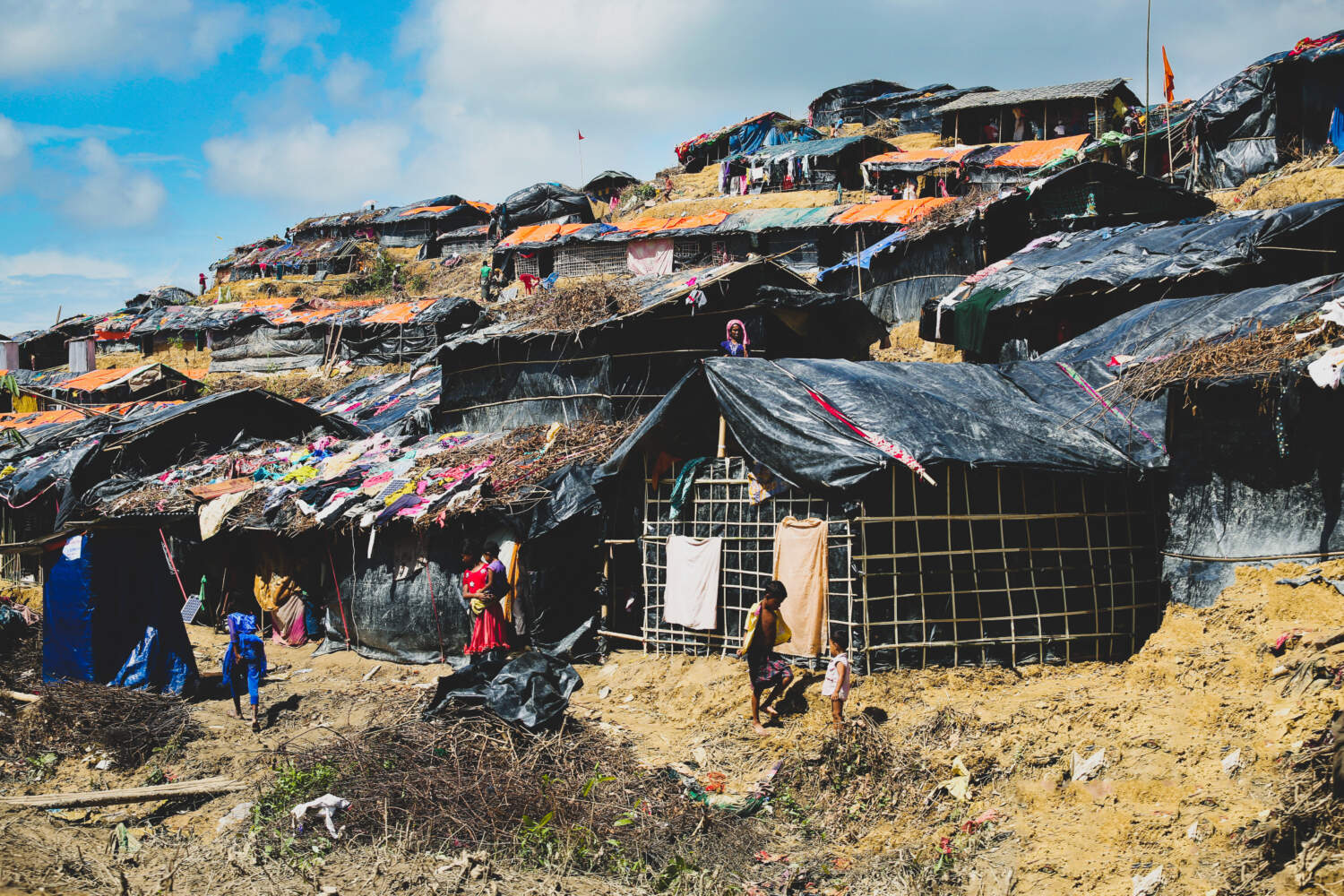
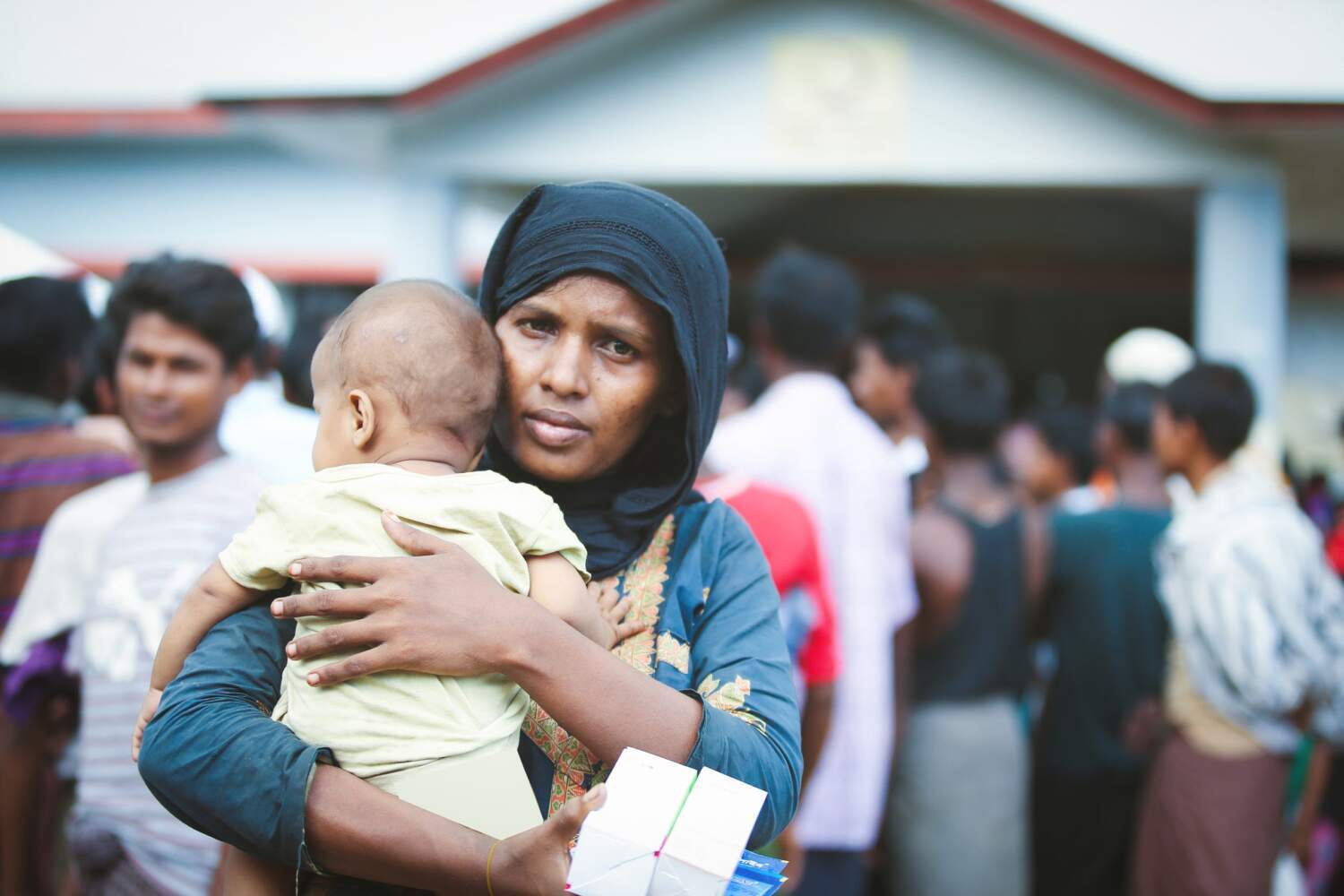
Refugees’ suffering does not end when their stories disappear from global headlines. The need for food, healthcare, and safe shelter remains, no matter how prolonged their displacement or how much international attention has faded. The Rohingya crisis underscores the importance of sustained humanitarian action that goes beyond meeting immediate needs to protecting dignity and easing the burden of protracted displacement.
Against this backdrop, Qatar Charity continues its work on the ground while expanding partnerships and mobilizing support. It has supported Rohingya refugees in Cox’s Bazar, Bangladesh, since 2017 and extended its assistance to Bhasan Char in 2021, through interventions ranging from emergency relief and essential services to efforts to improve living conditions.
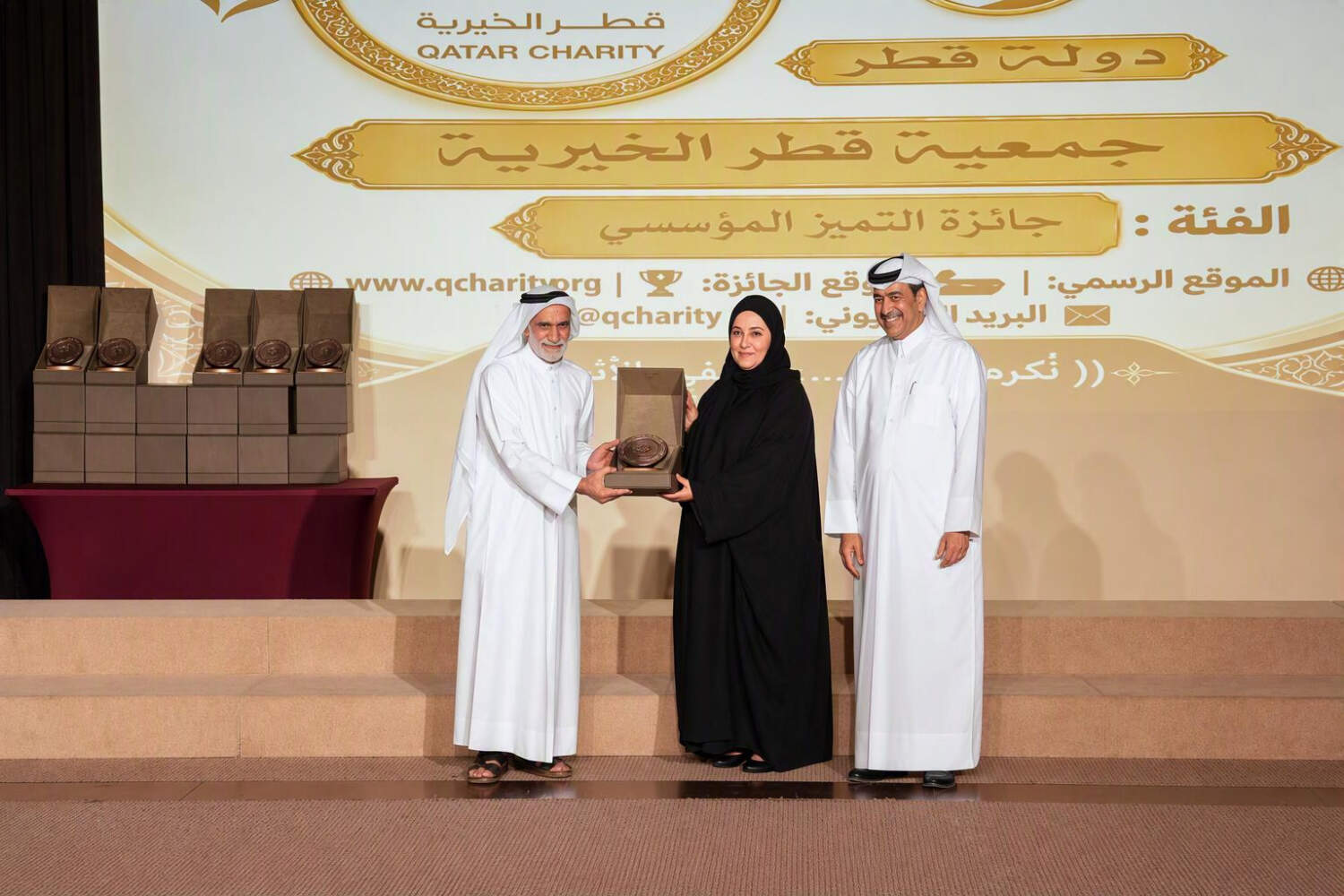
Ms. Aisha Abdulrazzaq AlKuwari, Director of Humanitarian Operations at Qatar Charity, said keeping the Rohingya refugee crisis among humanitarian and funding priorities requires continued attention to their growing needs, stronger partnerships with humanitarian organizations and donors, and advocacy linked to needs data and evidence of impact on the ground to mobilize sustainable funding for life-saving interventions.
Refugees’ suffering does not end when their stories disappear from global headlines.
She added that Qatar Charity supports these efforts through its field presence and international partnerships, alongside initiatives and awareness campaigns that keep forgotten crises visible and encourage communities and donors to support those affected.
Support Across Three Countries
Between 2024 and 2026, Qatar Charity’s projects supporting Rohingya communities extended across Bangladesh, Malaysia, and Sri Lanka, with recorded expenditure of approximately QAR 29.5 million. The recorded beneficiary figures totaled 546,760, including 314,689 in Bangladesh, 231,840 in Malaysia, and 231 in Sri Lanka.
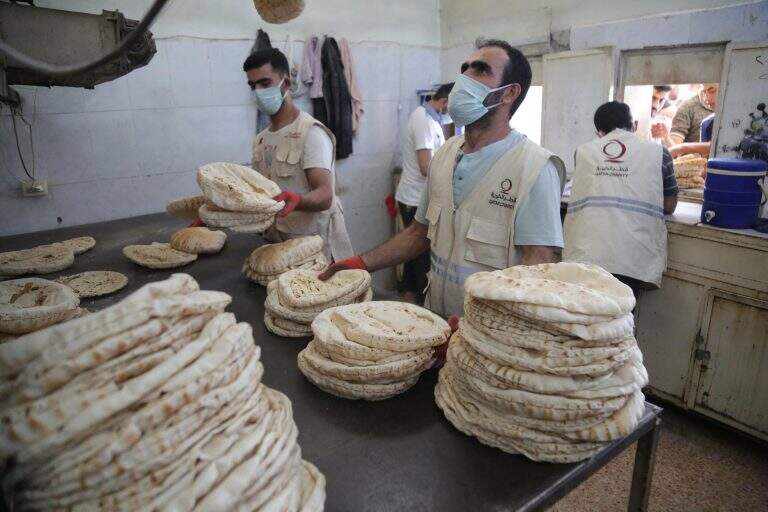
In Bangladesh, interventions ranged from school feeding, food baskets, and healthcare to the construction and rehabilitation of shelters, alongside cooking gas, solar lighting, and relief supplies. In Malaysia, projects focused on healthcare, food, hygiene, and personal care, while in Sri Lanka assistance included support for resident refugees and relief for new arrivals.
Six Areas of Humanitarian Response
Qatar Charity’s interventions covered six humanitarian areas. Recorded beneficiary figures included 167,330 in food and nutrition, 266,036 in health and 8,033 in shelter. A further 41,850 were recorded under non-food items, 36,525 under water and sanitation, and 26,986 under comprehensive relief. Some projects also reached host communities alongside refugees.
Among these interventions is a school feeding program for Rohingya students in Bangladesh, implemented in partnership with the World Food Programme, reaching 16,800 beneficiaries. Projects also include primary healthcare for 40,500 beneficiaries in Bangladesh, helping address essential health needs.
Partnerships to Expand the Response
International partnerships are another important part of the response. In January 2026, Qatar Charity and the United Nations High Commissioner for Refugees (UNHCR) signed a Letter of Understanding (LoU) accompanied by a Data Sharing Addendum to strengthen their joint response to the humanitarian needs of Rohingya refugees in Bangladesh. The cooperation focuses particularly on shelter and settlement, humanitarian relief materials, and essential services.
In June 2026, Qatar Charity also signed a Memorandum of Understanding (MoU) with the International Rescue Committee (IRC) to expand support for Rohingya refugees, host communities and other vulnerable groups in Bangladesh. The partnership covers program implementation, resource mobilization, and the development of new initiatives, as well as project concepts and proposals designed to attract additional funding for life-saving assistance and resilience-building programs.
Solar Lighting: Making Everyday Life Safer and Easier
Among the more targeted interventions is a project to provide solar-powered lighting along pathways in Rohingya refugee camps in Cox’s Bazar, designed to reach 20,356 beneficiaries. The project responds to inadequate nighttime lighting and the difficulties this creates for movement and access to essential services.
The project is designed to install integrated solar lighting systems along pathways and in key areas of the camps. The aim is to make it easier for residents to reach health facilities, water points, and distribution centers after dark, while strengthening safety and protection and reducing dependence on electricity networks that are unavailable in many of the targeted locations.
Keeping the Rohingya refugee crisis among humanitarian and funding priorities requires continued attention to their growing needs.
The plan also includes training local teams in maintenance and performance monitoring, involving community members in identifying priority locations, and raising awareness of clean energy. By combining an everyday need with measures to sustain the service, the project seeks to make nighttime movement and access to essential facilities safer and easier.
Read also: Refugee Literature: From Palestine to the Rohingya, and The Relentless Search for Safe Water in Bangladesh.