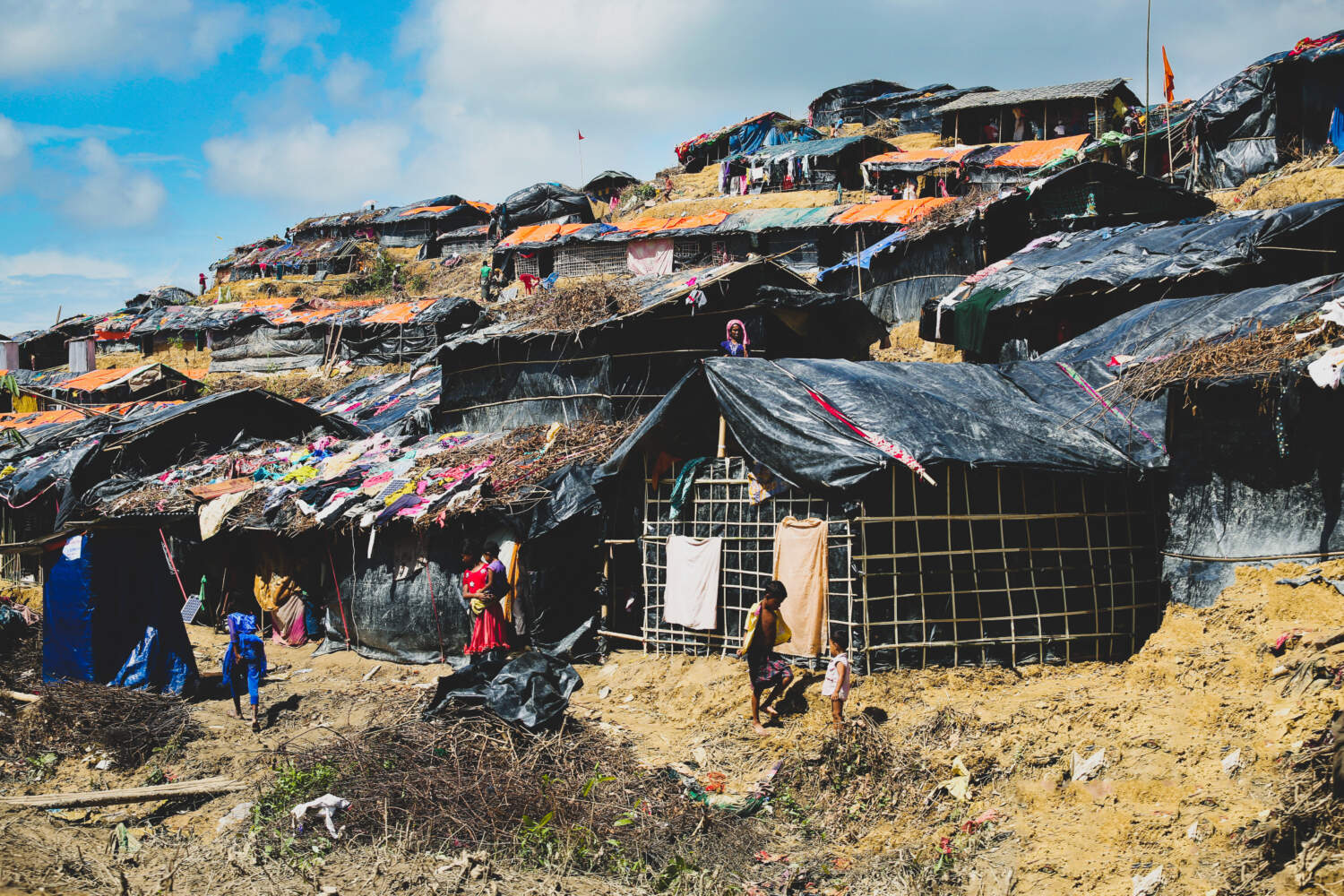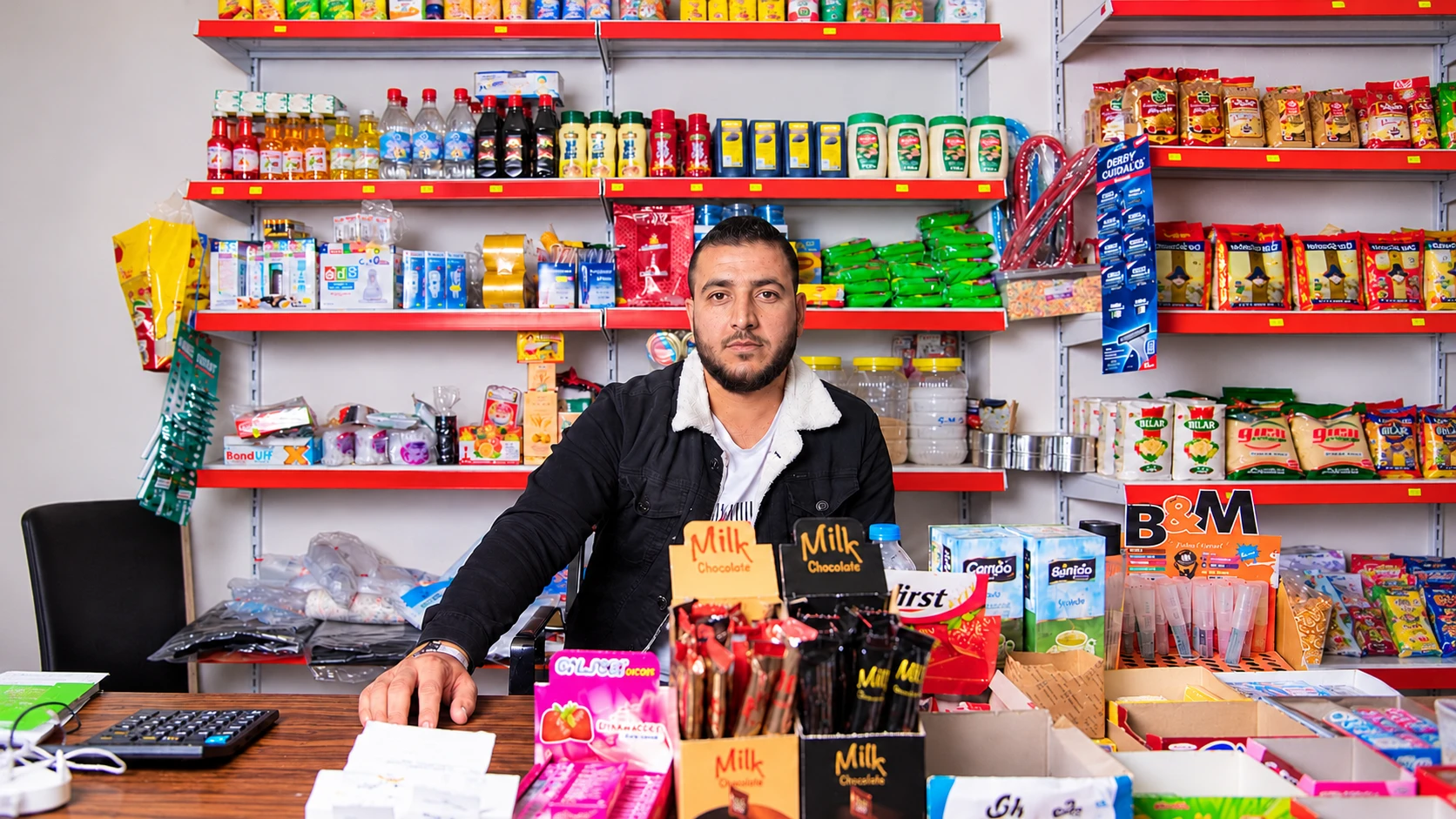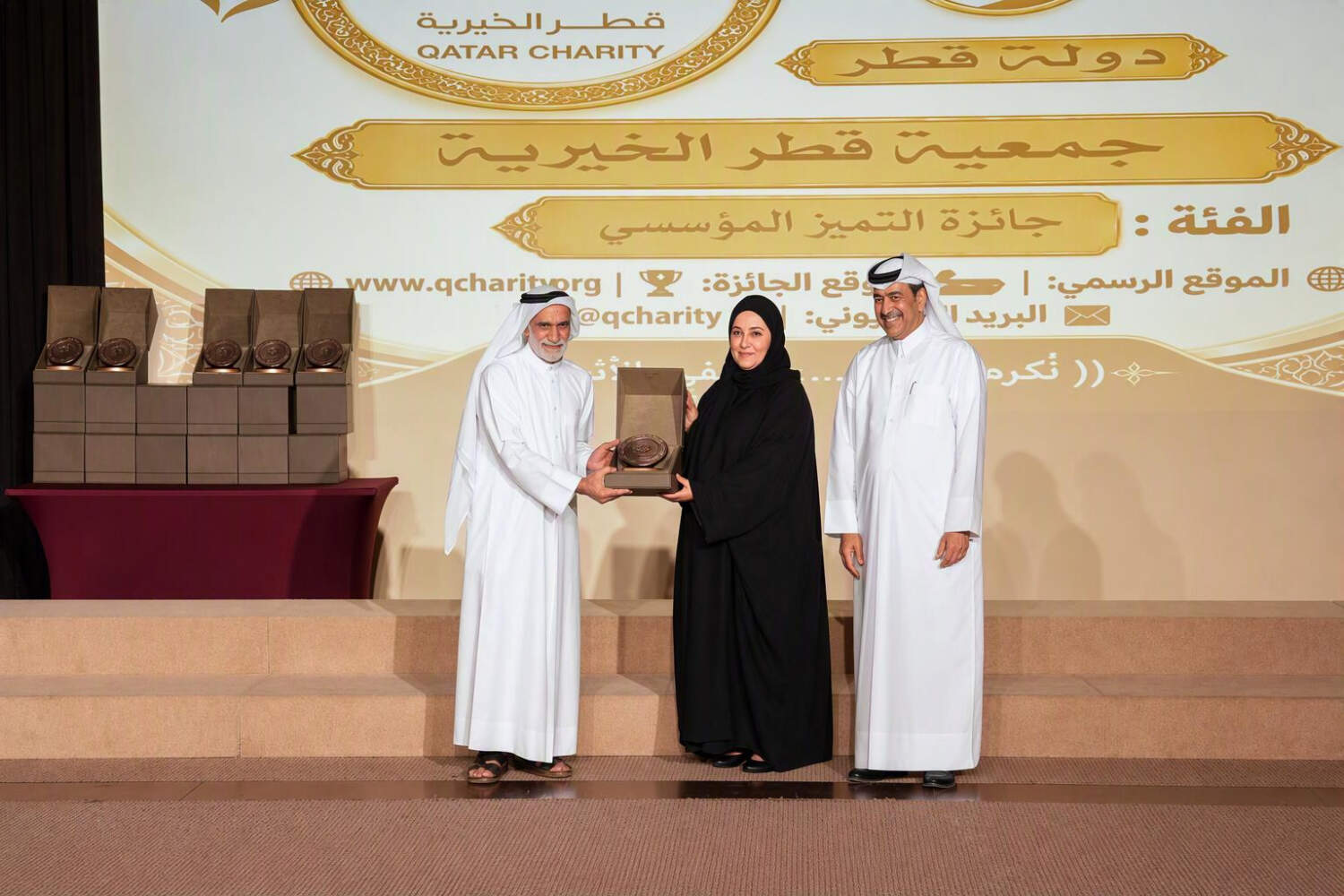
In 2026, Qatar Charity has implemented or is currently implementing approximately 119 food security projects at a total cost exceeding QR 108.5 million. The projects are expected to benefit around 4.1 million people. They range from providing food to families affected by crises and disasters to supporting crop and livestock production, combining the delivery of urgent food assistance with efforts to strengthen livelihoods and support recovery.
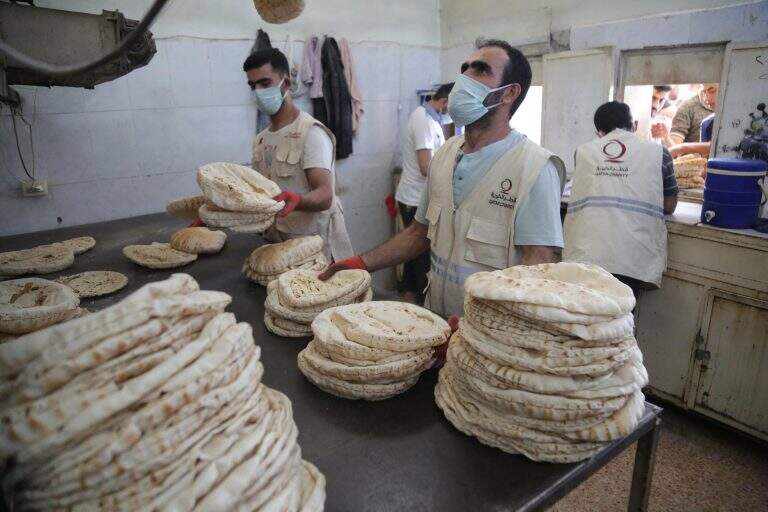
The projects are being implemented in 27 countries, while their target beneficiaries span 30 countries. Interventions include food baskets, food vouchers, hot meals and bread, as well as projects supporting agriculture, livestock and food security in crisis-affected areas.
Palestine accounts for the largest share of these interventions in terms of both beneficiary numbers and funding. In Syria, meanwhile, innovative projects link food assistance with support for farmers and livestock breeders, helping strengthen local production capacity.
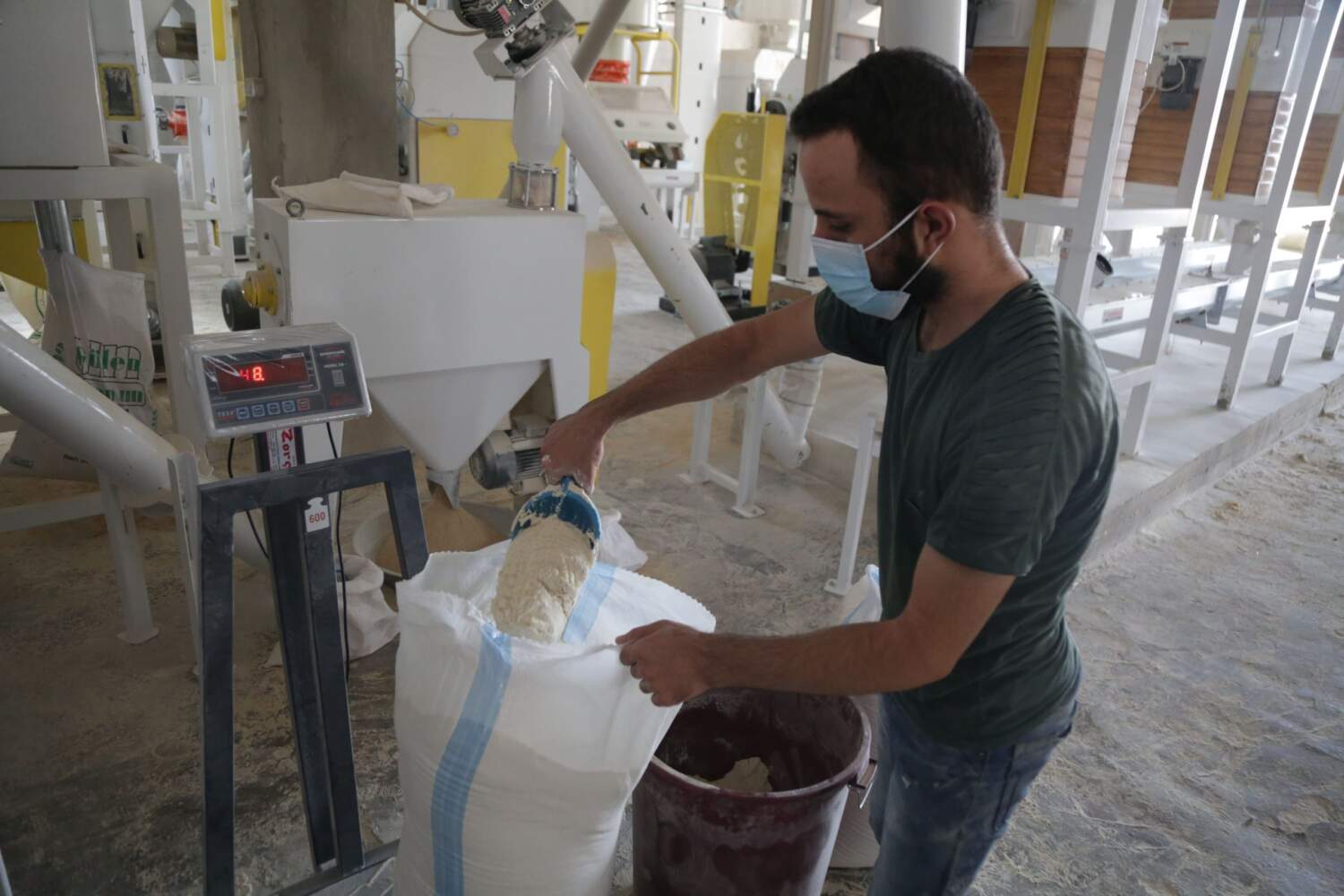
Palestine Leads Food Security Projects
Palestine leads the interventions with 28 projects, reaching a total of 3,268,574 people at a cost of approximately QR 55 million. This represents about 80% of all beneficiaries and 51% of the funding allocated to this year’s food assistance projects.
Key projects include “Distribution of Food Baskets in the Gaza Strip,” valued at QR 15,715,000; “Hot Meals for Gaza,” valued at QR 9,000,000; and “Distribution of Fruit and Vegetable Baskets in the Gaza Strip,” valued at QR 8,475,000. The “Gaza Bread” project records the largest number of beneficiaries among the projects cited, reaching approximately 1,497,960 people.
This range of assistance enables support to be tailored to families’ needs. Food baskets provide essential staples, hot meals offer ready-to-eat food, fruit and vegetable baskets increase dietary variety, and bread helps meet basic daily needs. Beneficiary and funding figures demonstrate the scale of the food response in Palestine, although they do not, on their own, measure improvements in nutrition or the stability of food consumption.
Food Response in Crisis-Affected Areas
In Sudan, 10 projects were implemented at a total cost of QR 8,629,366, benefiting 75,716 people. In Yemen, five projects worth QR 7,700,000 benefit 81,859 people. Somalia accounts for six projects costing QR 5,516,390 and benefiting 35,900 people, while Syria has 11 projects with a total cost of QR 4,117,998, benefiting 148,770 people. The intervention map also includes Afghanistan, Myanmar, Djibouti, Pakistan and other countries.
By combining support for farmers with silo rehabilitation, the intervention goes beyond financing the agricultural season to protect the harvest and improve post-harvest management.
Recent examples of direct assistance in Syria include the distribution of more than 1,200 food baskets in Deir ez-Zor Governorate, in cooperation with the Molham Volunteering Team. The baskets contained approximately 84.6 tons of food and benefited more than 6,000 people. In January 2026, Qatar Charity also launched a winter project to distribute 6,800 food baskets across several governorates. Each basket weighed 64 kilograms and was designed to meet a family’s basic food needs for one month.
Innovative Projects: Supporting Livestock in Syria
Alongside food assistance, the “Supporting the Livestock Value Chain” project in Idlib and Aleppo governorates in northwestern Syria stands out as a key initiative. Launched in August 2025 for a stated duration of one year, the project is implemented by Qatar Charity in partnership with the Ataa Humanitarian Relief Association.
The project supports livestock breeders and productive households by providing veterinary care and animal feed, rehabilitating livestock marketing facilities, and developing dairy processing. These activities help protect sources of income and sustain productive activity.
According to results announced in early August 2026, two mobile veterinary clinics provided services to more than 34,000 sheep and goats and approximately 1,942 cattle in villages across Idlib and Aleppo. Achievements included distributing 365 tons of manufactured feed out of a target of 500 tons and providing services to improve livestock production. The livestock market in Saraqib, in rural Idlib, was also renovated and rehabilitated in preparation for its opening and handover to local authorities. Announced next steps included preparations to establish a feed mill to support sustainable production.
Support also extended to food processing through training for 28 women in milk and dairy production under a programme combining skills development with cash-for-work assistance. Following the training, participants received dairy- and cheese-making equipment, enabling them to launch home-based production and sales activities and turn newly acquired skills into income-generating opportunities involving marketable products.
Innovative Projects: Supporting Wheat Production
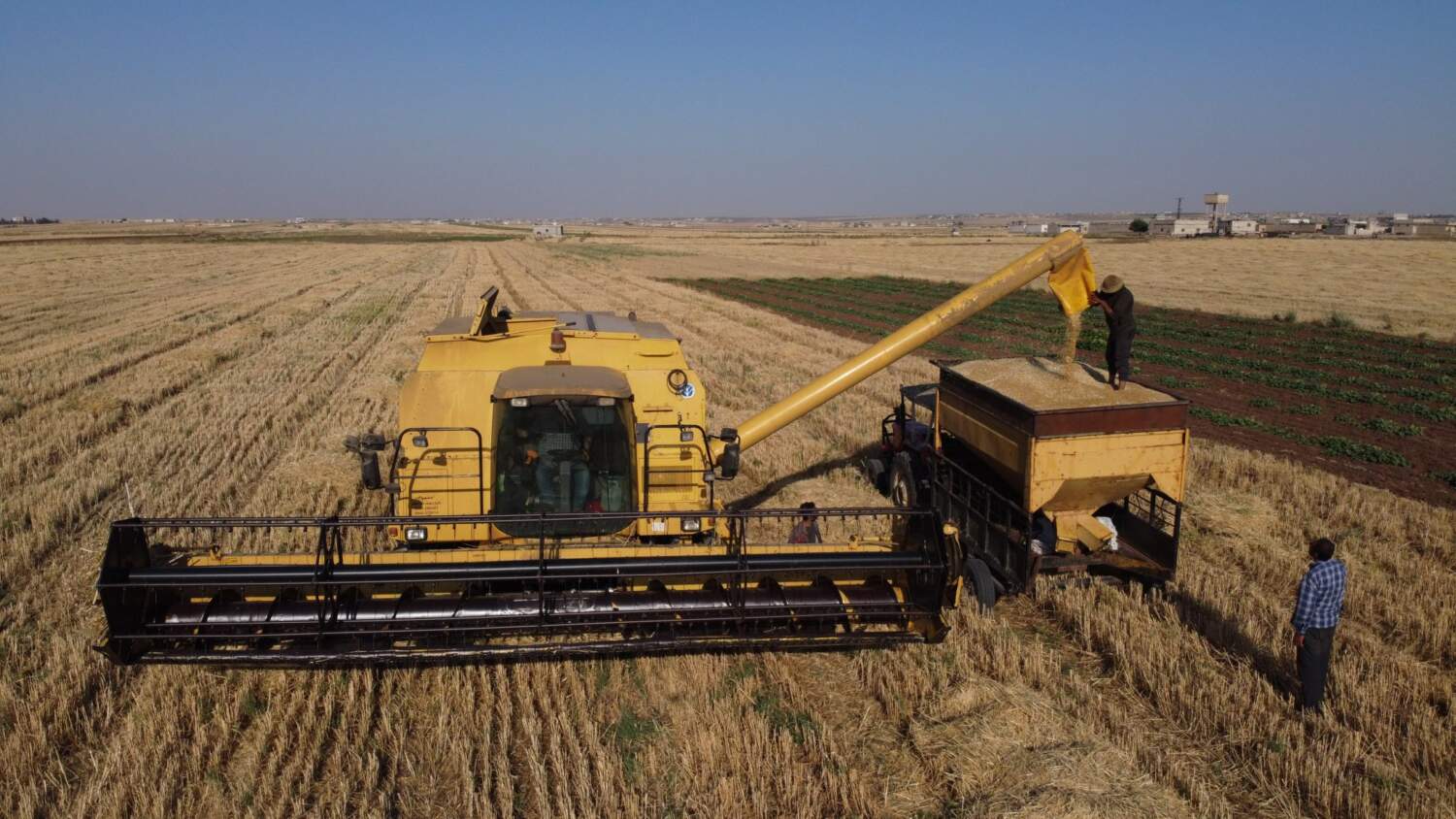
In the agricultural sector, the “Supporting Farmers with Agricultural Inputs” project offers an integrated model that combines wheat production with post-harvest crop protection, at a cost of QR 1 million.
The project is being implemented over 12 months, from 21 July 2026 to 21 July 2027. It is managed by Qatar Charity’s Türkiye office in coordination with field teams and relevant local authorities in northwestern Syria.
The project aims to enable 150 farmers to cultivate 100 hectares of wheat by providing agricultural input at the appropriate time in the growing season and delivering technical and field support from land preparation and planting through to harvest. The intervention responds to rising input, fuel and transport costs; farmers’ declining ability to finance the season; damage to productive assets and agricultural and storage facilities; and the challenges posed by drought and water scarcity.
Qatar Charity’s food security interventions combine direct responses to urgent needs with support for local production capacity.
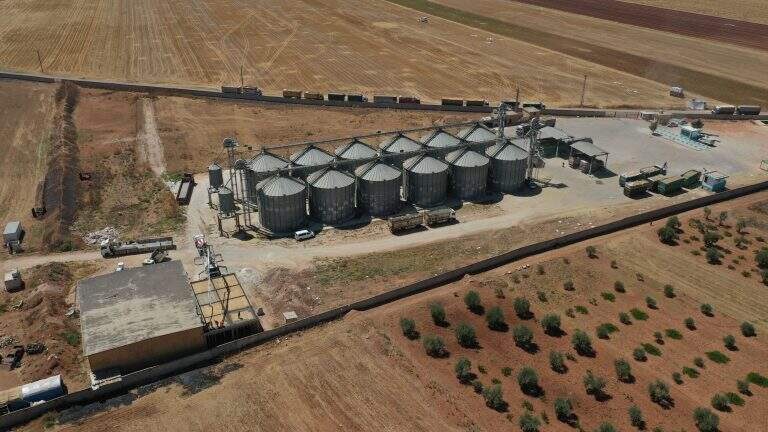
The project also includes rehabilitating the Tell Rifaat silos in northern rural Aleppo and restoring their operational readiness, with a storage capacity of up to 12,000 tons of wheat. This will improve crop preservation and reduce post-harvest loss and spoilage.
The project is expected to benefit 750 members of farming households directly and target 120,000 people indirectly by supporting wheat availability, stimulating agricultural markets and strengthening the stability of the bread supply chain. These figures are project targets through July 2027.
By combining support for farmers with silo rehabilitation, the intervention goes beyond financing the agricultural season to protect the harvest and improve post-harvest management.
From Relief to Supporting Production
Qatar Charity’s food security interventions combine direct responses to urgent needs with support for local production capacity. Food baskets, vouchers, hot meals and bread help meet immediate food needs, while agricultural and livestock projects aim to protect sources of income and improve production, storage and marketing.
From the large-scale food response in Palestine to support for farmers and livestock breeders in Syria, these projects reflect the diversity of Qatar Charity’s food security interventions, from providing food during crises to helping families restore productive activity and strengthen the foundations for recovery.
Food Security Projects in 2026
- 119 projects implemented or under way.
- QR 108.5 million in total costs.
- Approximately 4.1 million expected beneficiaries.
- Projects implemented in 27 countries.
- Target beneficiaries across 30 countries.