Winter 2026–2027 Compounds the Risks of Displacement, Hunger and Inadequate Shelter
In crisis-affected communities, winter never arrives in isolation. When rain and cold reach a family living in a tent or a damaged home, or a community exhausted by conflict, displacement and hunger, the weather becomes more than a seasonal challenge. It compounds a crisis already under way.
As the 2026–2027 season begins, humanitarian assessments describe communities facing inadequate shelter, damaged infrastructure, food insecurity and weakened health services. Elsewhere, particularly in the Horn of Africa, cold is not necessarily the greatest threat. Heavy rain and flooding can bring further displacement and deepen hunger and malnutrition.
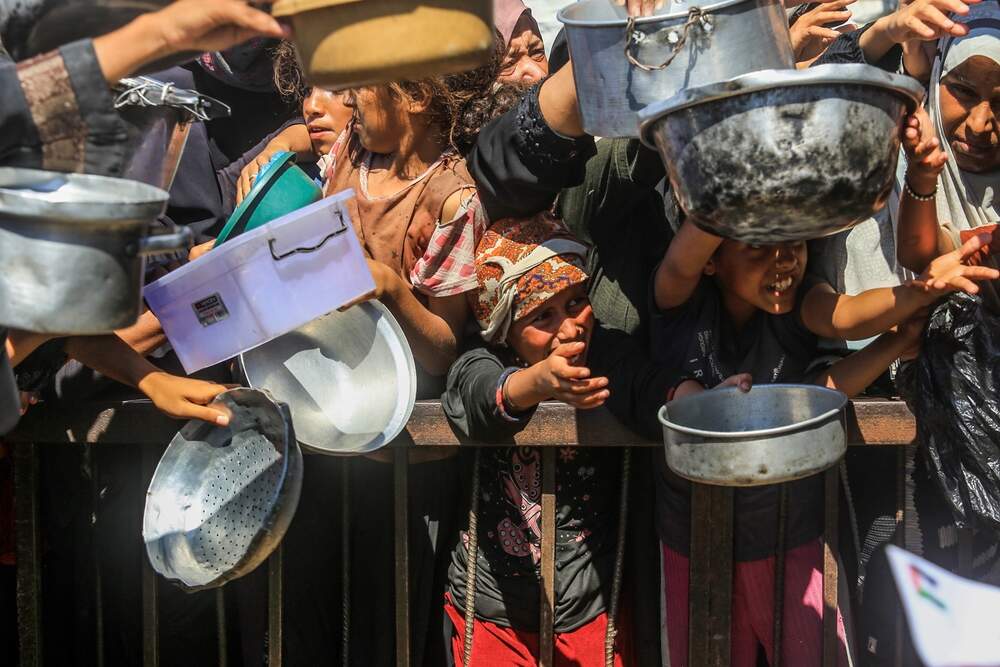
From Gaza, where more than 1.76 million people were living in overcrowded displacement sites or damaged and inadequate housing, to Somalia, where 5.4 million people are projected to face high levels of acute food insecurity between October and December 2026, the hazards differ. The underlying reality, however, is the same: the new season is reaching communities whose capacity to cope has already been depleted.
This is when winter, or the season of rain and floods, becomes a crisis within a crisis.
Gaza: When Winter Meets a Shelter Crisis
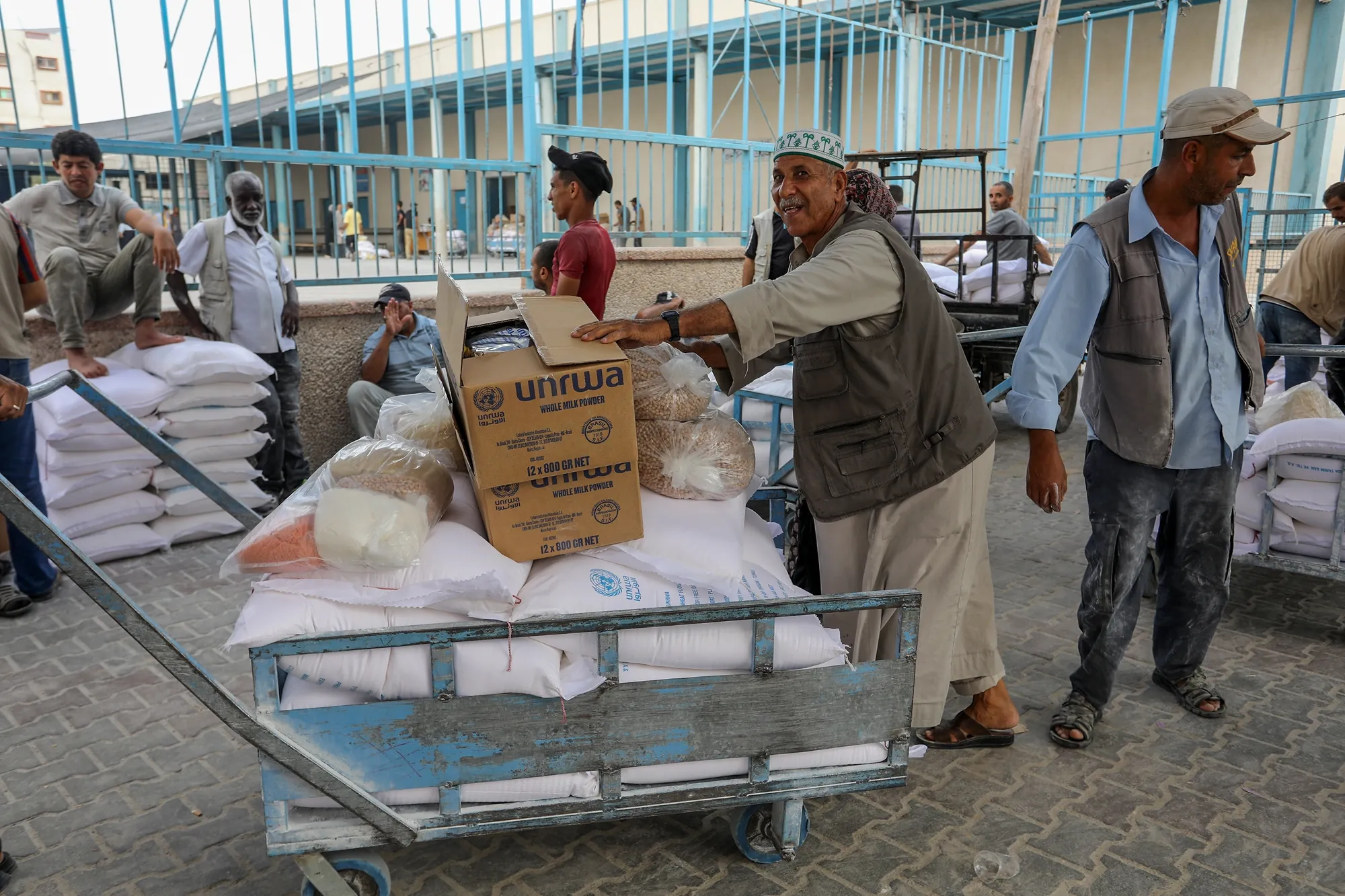
This convergence of risks is particularly acute in the Gaza Strip. According to UNICEF’s September 2026 winter appeal for the Gaza Strip and the West Bank, more than 1.76 million people, approximately 84% of Gaza’s population, live in overcrowded displacement sites or damaged and inadequate housing, with limited protection from cold, heavy rain and flooding.
The UNICEF’s 2026–2027 Winterization Plan, covering October 2026 to March 2027, aims to reach 540,000 children and their families across Gaza and the West Bank. It requires US$97.5 million to deliver an integrated package of winter assistance.
The risks extend beyond shelter. UNICEF warns that infants, young children and children with pre-existing health conditions are particularly vulnerable to hypothermia, respiratory infections and waterborne diseases. During the previous winter, at least 11 children, including infants, were reported to have died from hypothermia in Gaza, according to UNICEF.
Rain and flooding add another layer of danger. The response therefore goes beyond clothing, thermal blankets and shelter reinforcement. It also includes clearing roads and drainage systems, removing waste and protecting sanitation facilities from severe weather to reduce exposure to contaminated floodwater and disease.
In Gaza, the risks accumulate: inadequate shelter leaves families exposed to cold and rain, while flooding creates further threats to health and safe water.
Afghanistan: Returnees Face an Uncertain Winter
In Afghanistan, seasonal risks intersect with a wider humanitarian crisis and large-scale returns.
UNICEF’s Humanitarian Action for Children appeal 2026 for Afghanistan estimates that 21.9 million people, including 11.6 million children, require humanitarian assistance in 2026. Natural disasters, economic fragility, limited access to essential services and climate-related shocks contribute to these needs.
The situation is further complicated by large-scale returns. According to UNHCR data on Afghanistan, based on figures from UNHCR and IOM, approximately 1.3 million returns to Afghanistan had been recorded by early October 2026. The total includes deportations, assisted voluntary repatriation and other forms of return.
For families returning to communities already struggling with limited services and climate-related shocks, the onset of the cold season adds further pressure to their efforts to resettle and reintegrate. The challenge lies not in the weather alone, but in the convergence of large-scale returns with an already fragile humanitarian situation.
Syria: When Winter Storms Strike Displacement Sites
Syria offers a recent example of what happens when severe winter weather reaches communities already struggling with displacement and inadequate shelter.
According to the United Nations Office for the Coordination of Humanitarian Affairs (OCHA), winter storms, flooding and extreme cold affected more than 160,000 displaced people across 127 sites during January and February 2026. Shelters in 21 displacement sites were flooded, while child deaths were reported in Lattakia and Idleb.
In such conditions, weather is no longer merely the backdrop to a crisis. Within days, it can become a direct threat to shelter, access to essential services and life itself.
The details show how quickly severe weather can become a humanitarian emergency. A snowstorm that began on 31 December 2025 affected approximately 158,000 displaced people across 90 sites in Aleppo, Idleb and Al-Hasakeh. Around 5,000 shelters or tents were partially or completely damaged, and two infants died from severe cold in early January. On 8 February, flooding killed two children in the northern countryside of Lattakia and directly affected approximately 5,300 displaced people.
In such conditions, weather is no longer merely the backdrop to a crisis. Within days, it can become a direct threat to shelter, access to essential services and life itself.
Lebanon: Needs Extend Beyond Return
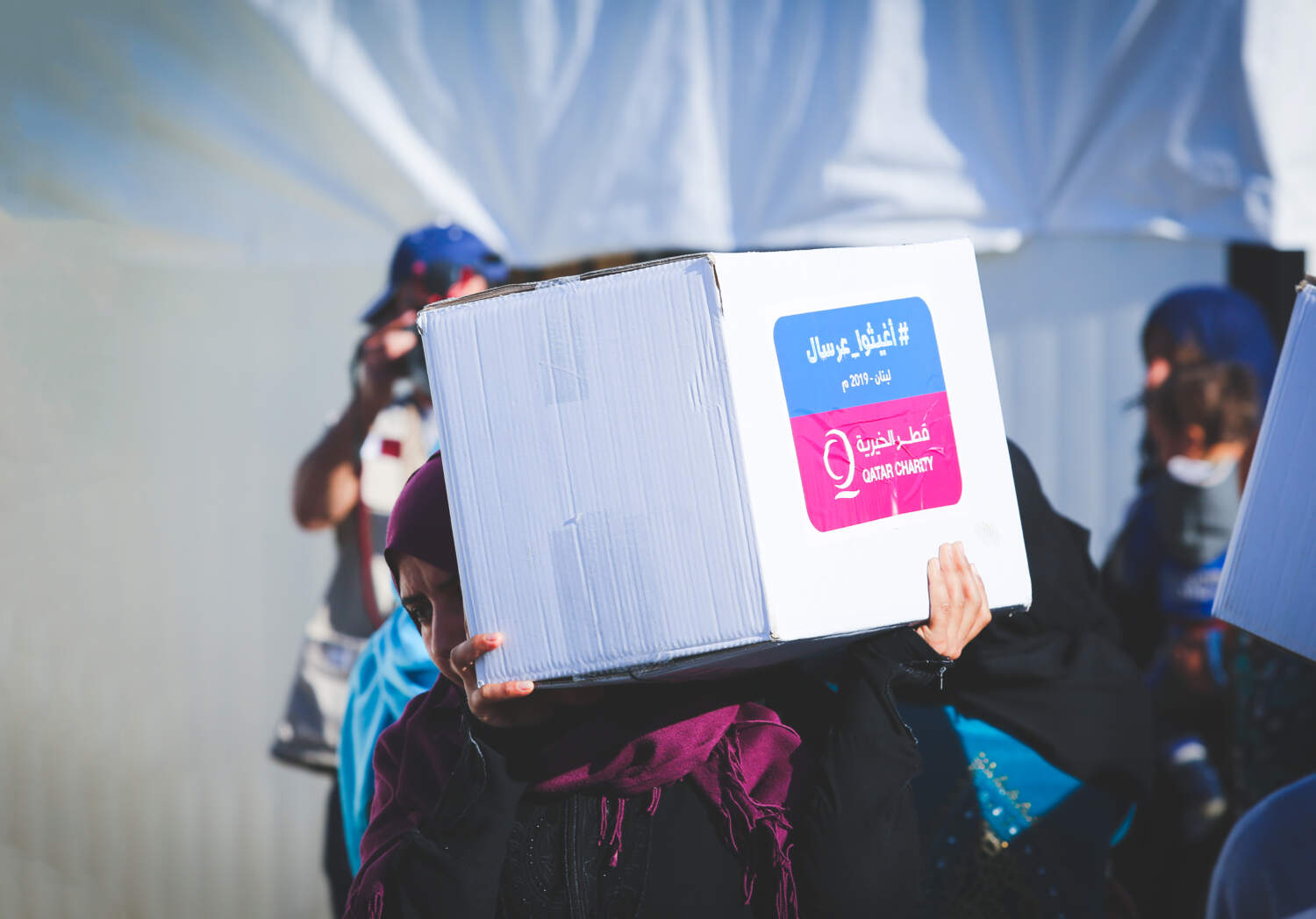
Lebanon presents another dimension of the challenge: fragile recovery and return do not necessarily mean that humanitarian needs have ended.
According to the Lebanon Response Plan 2026, 2.99 million people are estimated to need assistance, while the plan targets 1.5 million people and calls for US$1.62 billion in funding for 2026. Its response spans cash assistance, education, food security, health and nutrition, livelihoods, protection, shelter, social stability, and water and sanitation.
Seasonal preparedness therefore forms part of a broader effort to support recovery, protection and access to essential services, rather than standing apart from other humanitarian needs.
Somalia: When Rain Becomes the Threat
Moving to the Horn of Africa changes the nature of seasonal risk. In Somalia, the main concern is not falling temperatures, but heavy rain and flooding and the additional pressure they could place on an existing crisis of hunger, malnutrition and strained services.
According to the OCHA Somalia Monthly Humanitarian Update, 3.4 million people across 16 regions are at risk of flooding associated with heavy rains expected between October and December 2026, with the effects potentially extending into 2027.
The flood risk comes on top of an existing food crisis. The latest IPC analysis for Somalia projects that 5.4 million people will face Crisis or worse levels of acute food insecurity between October and December 2026, including around 1.5 million people in Emergency and nearly 26,000 internally displaced people in Baidoa in Catastrophe (IPC Phase 5).
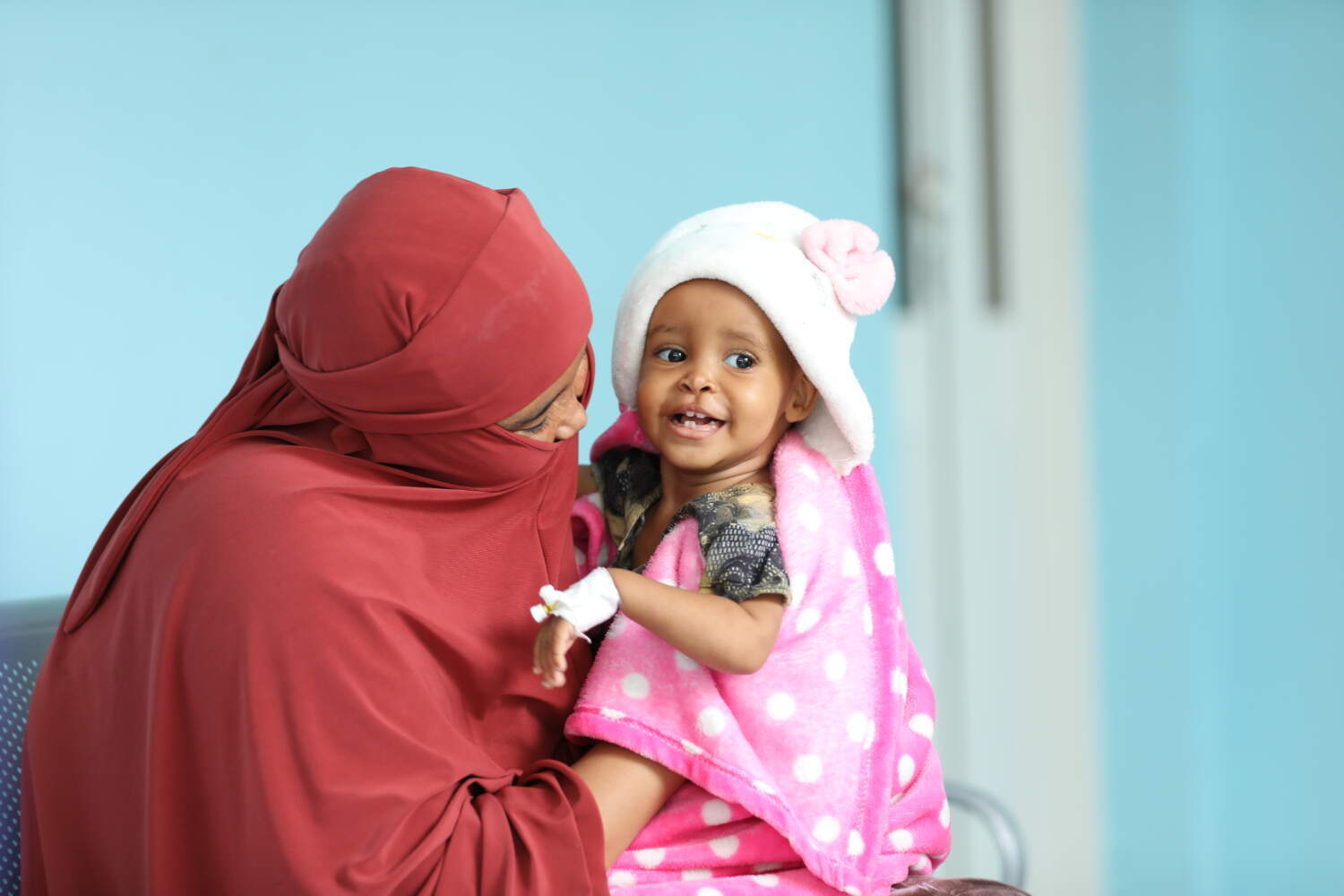
At the same time, 1.92 million children aged 6 to 59 months are expected to suffer from acute malnutrition between July 2026 and June 2027.
Seasonal shocks become even more dangerous when the health system has limited capacity to respond. OCHA reports that 380 health facilities either closed or operated at reduced capacity between January and June 2026 because of funding shortages, while 115 mobile health units closed.
In Somalia, then, the crisis within a crisis emerges from the convergence of flood risks, hunger, malnutrition and a weakened health system.
Sudan: War, Hunger and Drought
Across another part of the region, Sudan presents a different picture. Here, it is more accurate to focus on late 2026 and early 2027, as the effects of conflict and displacement converge with drought, food insecurity and malnutrition.
In an IPC Alert on Sudan published on 12 October 2026, the initiative warned of rapidly deteriorating conditions in parts of Greater Darfur and Greater Kordofan, including areas previously identified as being at risk of Famine under a worst-case scenario between October 2026 and January 2027. The alert identifies conflict, displacement and drought as key factors driving an increased risk of Famine in parts of both regions.
The changing season does not create the crisis. It reaches communities whose capacity to withstand further shocks has already been depleted by conflict, displacement and hunger.
Nutrition indicators reveal the depth of the crisis. Of 17 SMART surveys conducted across Greater Darfur since January 2026, 13 recorded Critical levels of global acute malnutrition (GAM), while six recorded prevalence rates above 20%. A SMART survey conducted in Eastern Jebel Marra in September found GAM prevalence of 38% and 30.8% in two IDP camps.
Here too, the changing season does not create the crisis. Rather, it reaches communities whose capacity to withstand further shocks has already been depleted by conflict, displacement and hunger.
More Than Blankets
These cases show that responding to winter and seasonal conditions in crisis-affected regions involves far more than distributing clothing and blankets.
In Gaza, winter needs intersect with shelter, water and sanitation, and health. In Afghanistan, the cold season arrives amid immense humanitarian needs and large-scale returns. In Syria, the storms of early 2026 showed how snow and flooding can directly affect displacement sites. In Somalia, flood risks converge with hunger, malnutrition and a strained health system, while in Sudan, conflict, drought and displacement intersect with alarming levels of malnutrition.
The funding requirements alone illustrate the scale of the response needed. For example, UNICEF’s winterization plan for Gaza and the West Bank requires US$97.5 million.
Seasonal preparedness therefore requires a multi-sector response, extending from shelter, clothing and heating to water and sanitation, healthcare, food, energy, housing repairs and flood preparedness.
A Winter That Deepens Vulnerability
The crises differ across Gaza, Afghanistan, Syria, Lebanon, Somalia and Sudan, as do the seasonal hazards, from severe cold and snow in some places to heavy rain, flooding and drought in others. Yet they share one defining feature: millions of people are entering a new season with vulnerabilities that were already present before it began.
A damaged home becomes more dangerous when the rains come. A fragile displacement site becomes even more exposed to snow or flooding, while a family already struggling with hunger or malnutrition faces yet another seasonal shock.
The danger of the 2026–2027 season lies not in the weather alone, but in the existing crises it encounters and further intensifies. Early action, together with support for shelter, energy, healthcare, safe water and food, as well as flood preparedness, therefore becomes an interconnected line of protection, helping prevent the next seasonal shock from becoming another chapter of humanitarian suffering.
Winter 2026–2027: Compounding Risks in Numbers
- Gaza: More than 1.76 million people are living in overcrowded displacement sites or damaged and inadequate shelters.
- Afghanistan: 21.9 million people require humanitarian assistance in 2026.
- Lebanon: 2.99 million people are estimated to need assistance in 2026.
- Somalia: 5.4 million people are projected to face Crisis or worse levels of acute food insecurity between October and December 2026.
- Sudan: The risk of Famine is increasing in parts of Greater Darfur and Greater Kordofan in late 2026 and early 20
Read also: Food Security 2026: Supporting 4 Million Beneficiaries and Refugee Literature: From Palestine to the Rohingya.