In humanitarian work, a photograph can open hearts, a video can inspire action, and a single human story can mobilize support across borders. Yet behind every image of a family rebuilding its life, a child returning to school, or a community accessing clean water lies considerable effort and responsibility to tell the story without compromising the dignity of those who live it.
Humanitarian photography and videography are not merely tools for documenting suffering; they are powerful instruments for restoring hope, amplifying voices and showing the difference humanitarian assistance can make in people’s lives. The true measure of a compelling image is not how much sympathy it generates, but how effectively it inspires respect, solidarity and meaningful change.
From Images of Suffering to Stories of Strength
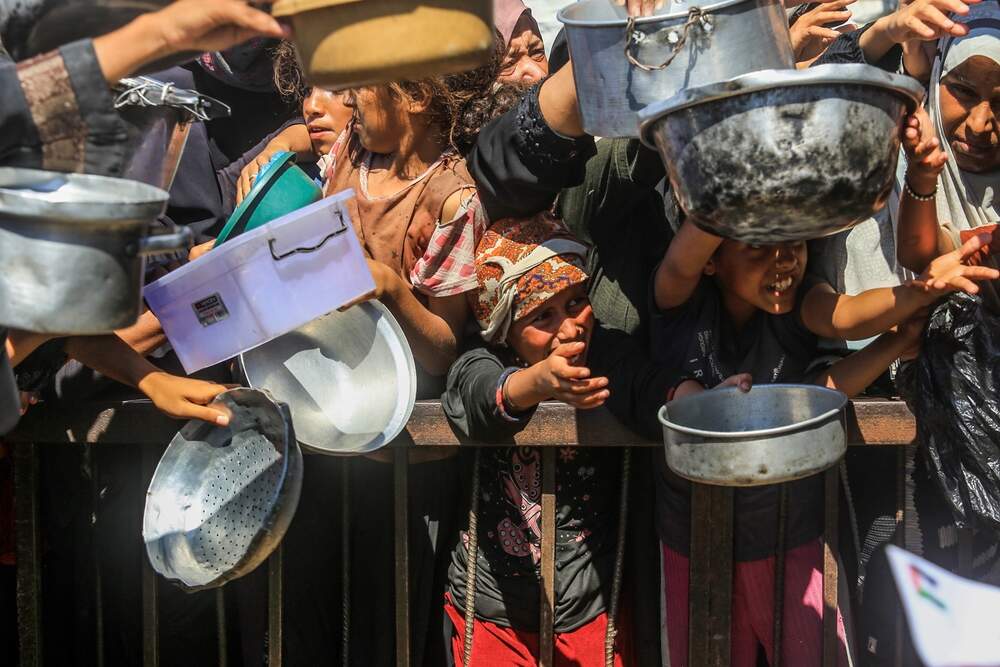
For decades, humanitarian communication has often relied on images of devastation to attract attention and mobilize donations. While emergencies deserve urgent visibility, portraying people exclusively through their suffering risks reducing their identities to their vulnerabilities.
People in crisis are not merely recipients of assistance; they are individuals with dreams, abilities, resilience and the right to shape their own futures.
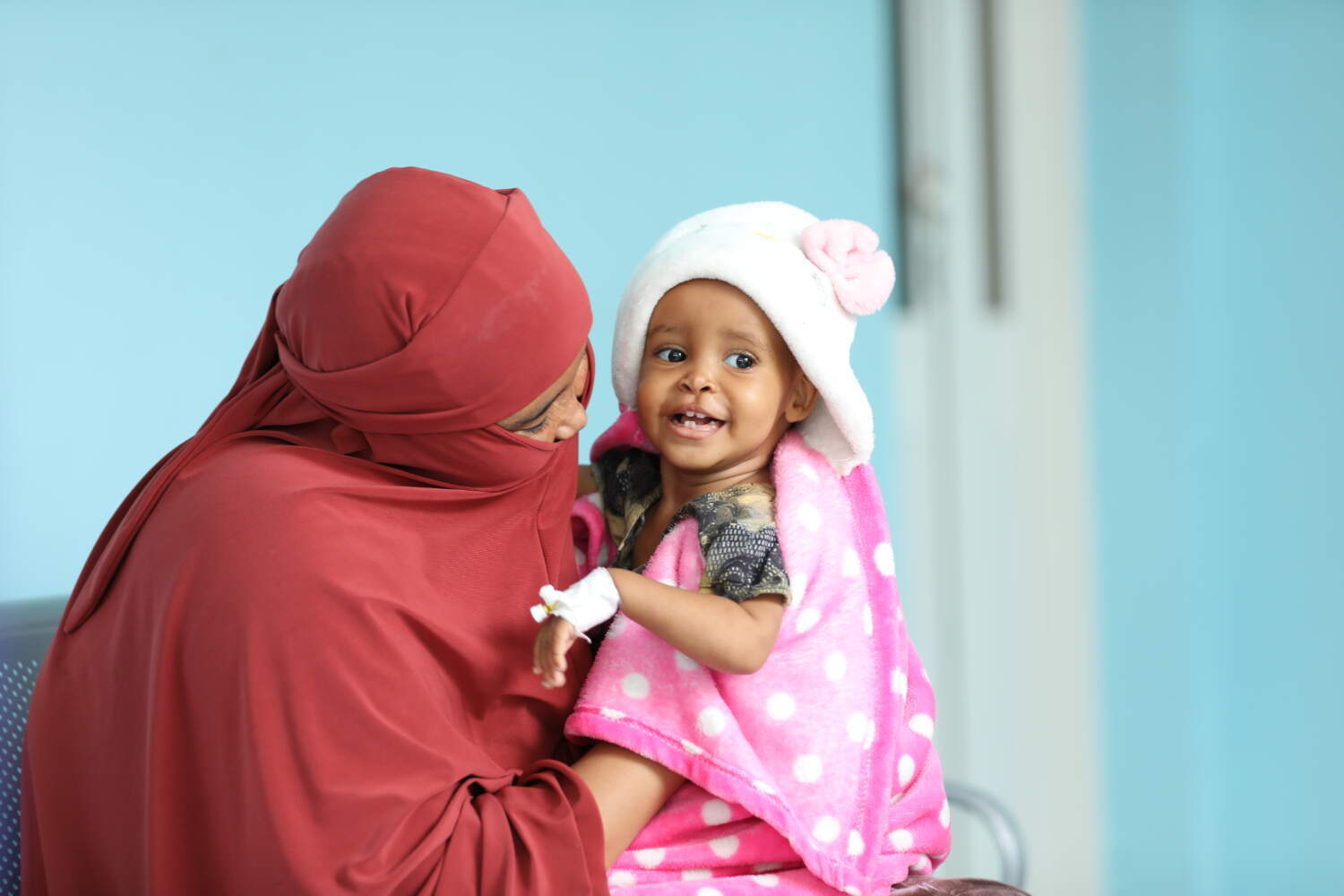
Ethical visual storytelling shifts the narrative from helplessness to human agency. Instead of focusing solely on what people have lost, it highlights how access to safe water supports health, education unlocks opportunities, sustainable livelihoods help families regain independence, and adequate shelter restores a sense of security.
These stories offer donors more than a fleeting emotional response; they provide a deeper understanding of the difference their contributions make in people’s lives.
The Camera Carries Responsibility, Not Just a Mission
Every humanitarian image represents a relationship built on trust. Before capturing a photograph or recording a video, humanitarian professionals must consider informed consent, privacy, cultural sensitivities, personal safety and the potential consequences of publication.
Consent must be voluntary and clear, and people should fully understand how photographs or footage will be used. Particular care must be taken when working with children, displaced families, survivors of violence and others in vulnerable circumstances.
The true measure of a compelling image is not how much sympathy it generates, but how effectively it inspires respect, solidarity and meaningful change.
People should never feel that receiving assistance depends on agreeing to be photographed. Their dignity and rights must remain protected regardless of whether they consent to having their stories shared. A powerful image should never come at the cost of someone’s self-respect, safety or right to privacy.
Donors Deserve Authenticity, Not Emotional Manipulation
Donors are essential partners in humanitarian action. They deserve transparent, credible and evidence-based communication that connects their generosity with tangible outcomes.
High-quality photography, compelling video and carefully documented field stories can demonstrate accountability, strengthen trust and make humanitarian impact visible.
However, authenticity must always take precedence over dramatic presentation. Images should accurately represent interventions, respect the context in which assistance is delivered, and avoid exaggeration or misleading narratives.
Authenticity must always take precedence over dramatic presentation.
The strongest donor engagement emerges when the power of human stories is supported by verifiable results and the authentic voices of affected communities.
A Legacy Beyond the Lens
Ultimately, humanitarian photography and videography must do more than capture a moment; they must preserve humanity within it.
The highest achievement of humanitarian storytelling is not to make the world feel sorry for people, but to help the world recognize their worth, resilience and potential.
When dignity guides every frame, photography becomes a bridge between communities and donors, while videography becomes a voice for people whose experiences deserve to be heard with respect.
Because humanitarian communication should never ask the world merely to look at suffering. It should invite the world to stand beside humanity.
Read also: What Donors Do Not See.