Qatar Charity’s economic empowerment projects in 2026 totaled 2,065 projects, benefiting 34,787 people, at a total cost of approximately QAR 36 million.
The projects reflect an approach focused on supporting self-reliance through vocational training, the provision of employment opportunities, financing for small businesses, and the provision of productive equipment to tradespeople. These interventions combine skills development with the means to put those skills to economic use, with particular attention to the most vulnerable groups, especially women and families affected by displacement.
Distinctive Projects
The following are examples of distinctive projects that have been completed or inaugurated or launched and are being implemented during the current year, 2026.
“Naseej” Garment Manufacturing Factory in Türkiye
The “Naseej” garment manufacturing factory in Istanbul, inaugurated in January 2026, represents a model for linking production with social empowerment by providing employment opportunities for the most vulnerable groups among refugees and the host community, and training women in sewing and garment manufacturing. The project aims to integrate beneficiaries into the labor market and strengthen their participation in local production and economic development.
Qatar Charity fully equipped the factory, including interior works, décor, production lines, machinery, and equipment, and recruited a qualified team. The factory covers an area of 1,600 square meters and operates three production lines for different types of clothing, with future plans to expand and add new lines.
These interventions combine skills development with the means to put those skills to economic use.
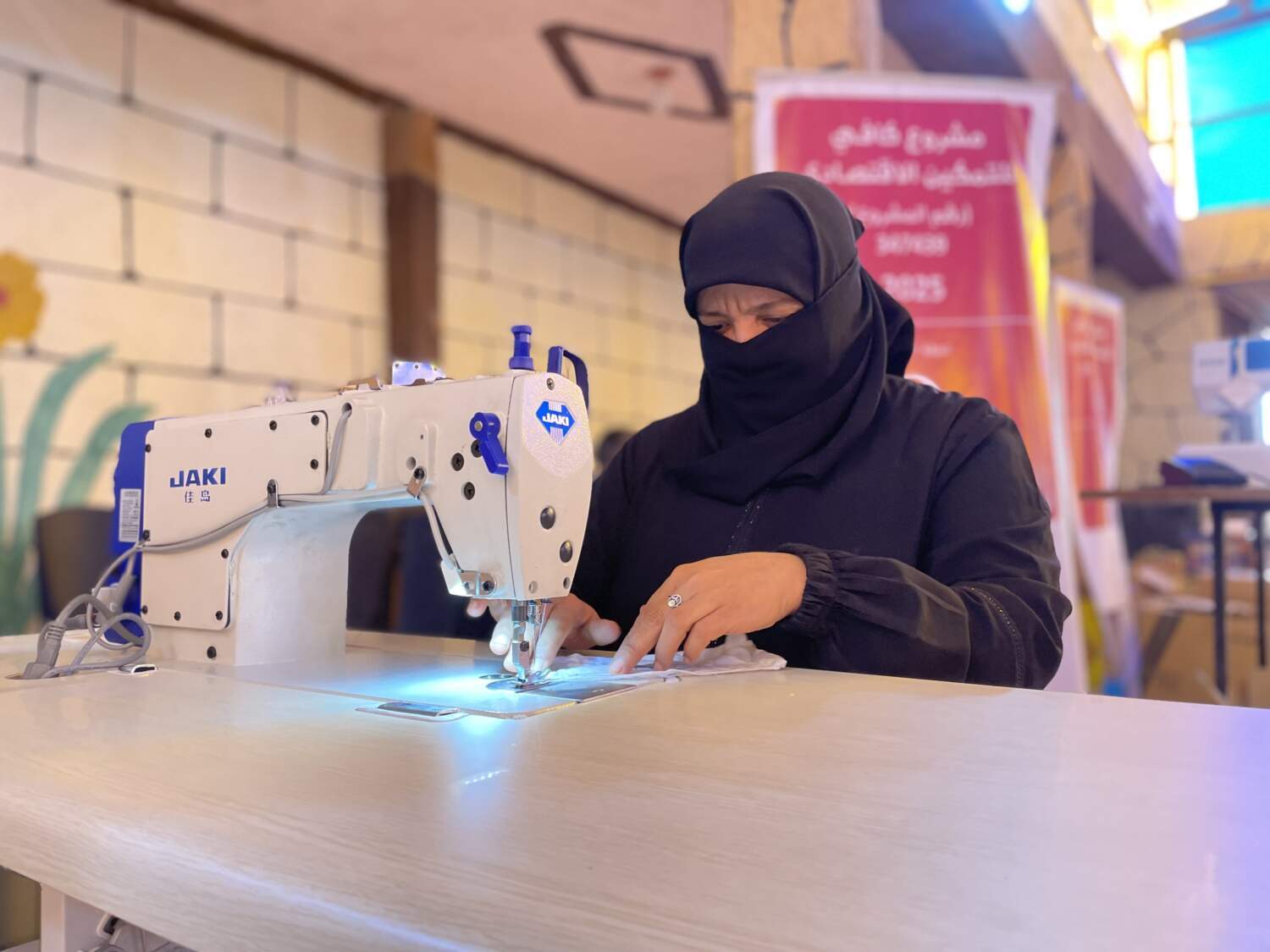
The factory has provided 60 direct employment opportunities and 25 vocational training opportunities for women. Training is delivered through practical, on-the-job instruction, helping the women gain experience and prepare to enter the labor market.
Vocational Training and Support for Projects and Livelihoods in Syria
In September 2026, Qatar Charity, in partnership with Al-Sham Humanitarian Foundation, launched the project “From Training to Empowerment: Towards a Sustainable Professional Future,” aiming to train 540 young men and women in Aleppo, Idlib, Jisr al-Shughur, and Al-Amal City (Souran), with a budget exceeding USD 1 million. The project responds to livelihood challenges identified by a needs assessment that included interviews with 283 people and indicated that the share of low-income residents and youth unemployment in the targeted areas each exceeded 75%.
The training covers women’s tailoring, candle and resin crafts, installation and maintenance of solar energy and surveillance systems, mobile phone and computer maintenance, website design, digital marketing, and graphic design. Training courses last between one and a half and two and a half months and are delivered at four centers being equipped to meet safety standards and ensure accessibility for women and persons with disabilities.
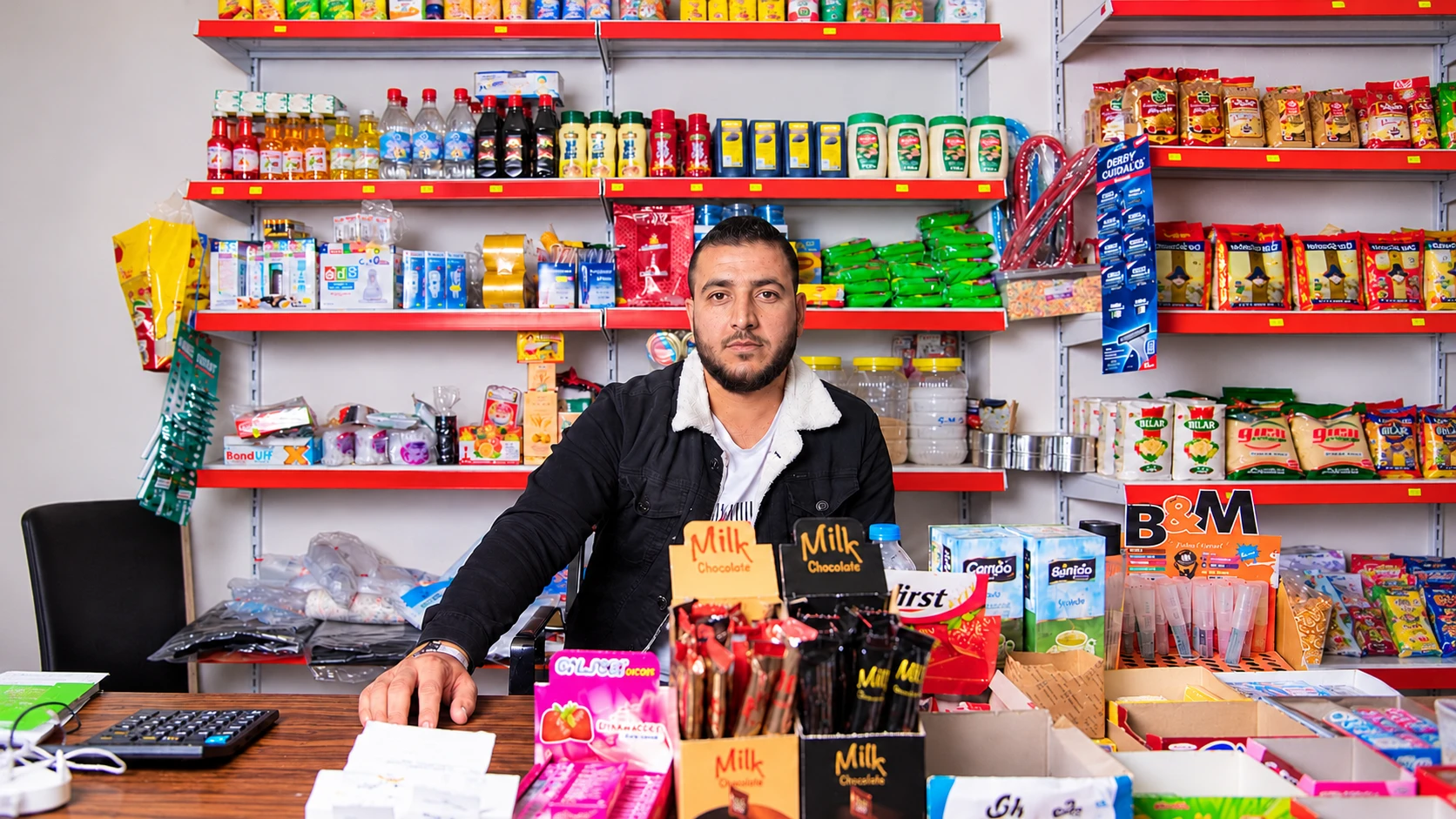
The entrepreneurship pathway targets 250 beneficiaries, who receive training in establishing and managing businesses, followed by grants averaging USD 1,500 per beneficiary, as well as a shop rental allowance for three months. The employment pathway targets 250 beneficiaries by connecting them with opportunities at approximately 85 workshops and companies, with a monthly allowance for three months.
A pathway that begins with a skill and ends with a business or a job.
Beneficiaries receive career guidance and technical follow-up visits, with free consultations continuing for one year after the project ends. The project also includes four promotional exhibitions to connect graduates with customers and the business community. Mohammed Al-Jaradi, the projects officer at Qatar Charity’s office in Türkiye, explained that the intervention aims to provide a pathway that begins with a skill and ends with a business or a job, supporting the stability of returning families.
Sewing Workshop in Mauritania
In July, Qatar Charity’s office in Mauritania, in cooperation with the Ministry of Social Action, Childhood and Family, inaugurated a sewing workshop for graduates of the Training Center for Women’s Empowerment in Nouakchott who are daughters of male and female breadwinners of low-income families. The project links vocational training with productive employment opportunities, helping graduates turn their skills into sources of income that support their families.
Engineer Omar Abdel Aziz Mohammed, Director of Qatar Charity’s office, emphasized that the project reflects a shift from traditional assistance to sustainable empowerment by providing decent employment opportunities and supporting access to a stable income. He highlighted the importance of linking production with marketing and with partnerships that the ministry is working to develop, including the school uniform initiative with the Ministry of Education.
Integrated Pathways to Empowerment and Sustainability
These examples reflect the diversity of empowerment pathways and the complementary nature of their tools: from a production facility offering practical training in Türkiye, to training, entrepreneurship, employment, and the provision of trade equipment in Syria, and a women’s workshop linked to marketing opportunities in Mauritania.
Read also: When Wheat Becomes Life in Northern Syria, and Projects Supporting Social Integration in Crises and Disasters.