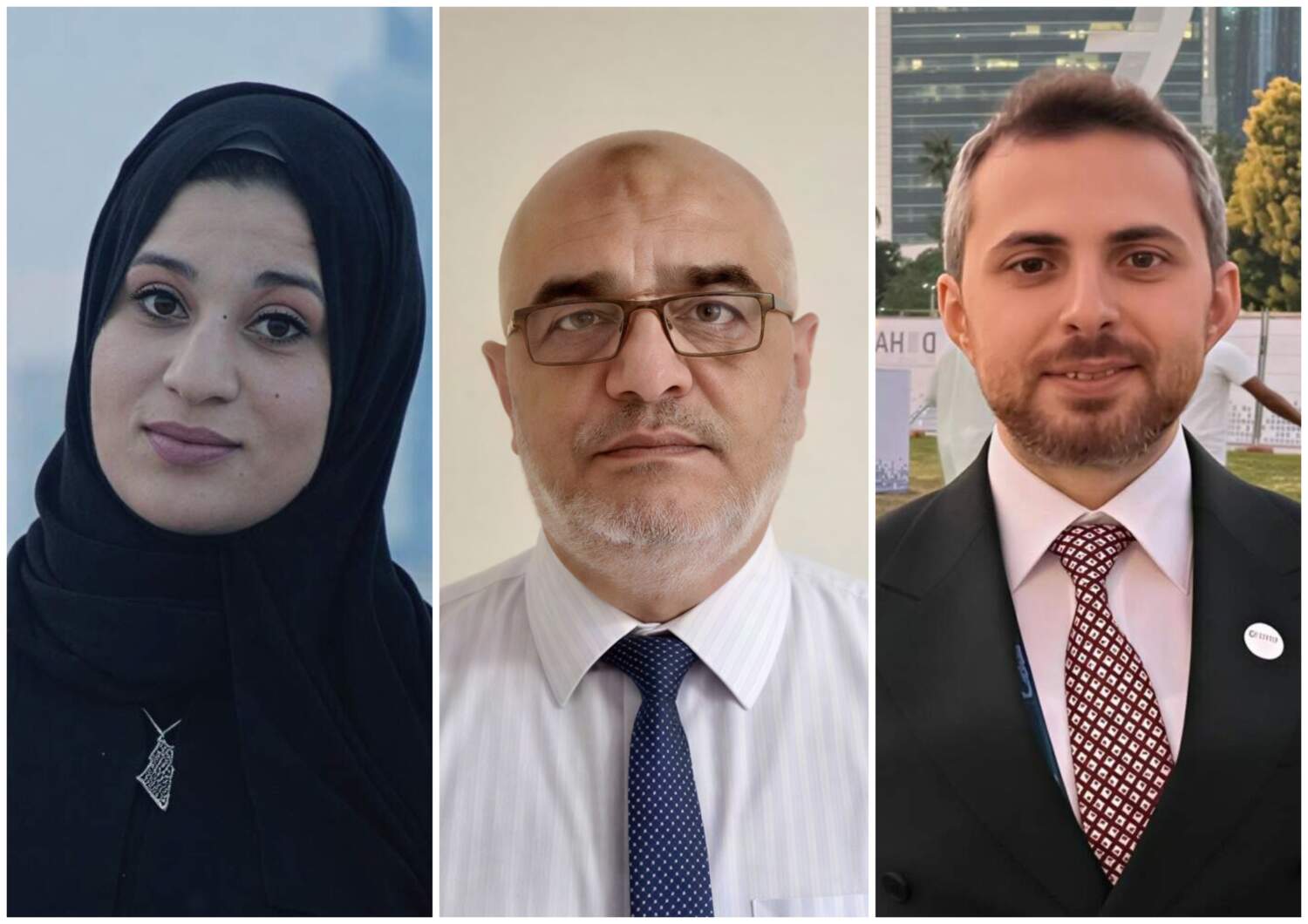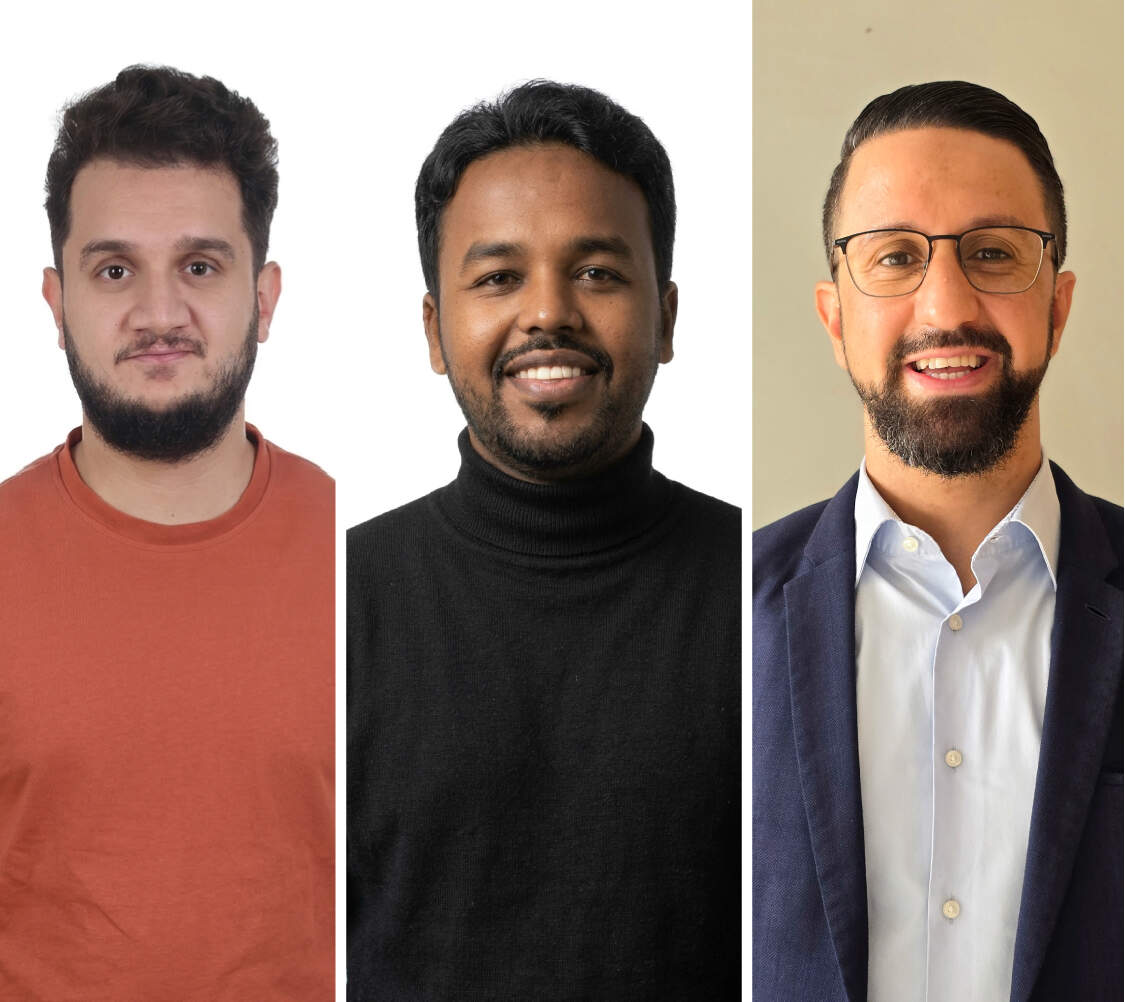
In August 2024, the Molham Volunteering Team and Violet Organization organized a conference in Istanbul titled “Influencers for Humanity.” The event brought together media professionals, social media influencers, artists, community activists, and humanitarian advocates from across the Arab world. One of the key recommendations to emerge from the conference was the creation of a network of influencers dedicated to championing humanitarian causes.
Why is such a network needed, and why does it matter, particularly given the current state of collaboration between humanitarian organizations and influencers? What impact could it have on influencers, charitable organizations, and the wider humanitarian and development sectors?
Their responses offer perspectives on existing partnerships, the proposed network’s role, and its potential impact.
Limited Collaboration
How would you describe the current state of collaboration between humanitarian and charitable organizations and social media influencers?
Fouad Sayed Issa:
Collaboration between humanitarian and charitable organizations and social media influencers is extremely important. However, current efforts fall short of their potential. While some Arab humanitarian organizations have established partnerships with Arab social media influencers, these efforts remain limited. Several key factors contribute to this, most notably:
- The absence of a clear platform for collaboration between social media influencers and charitable organizations.
- The lack of a defined framework governing these partnerships. For example, how can influencers verify the transparency of the organizations whose campaigns and projects they promote? How can they ensure access to information and results to share with followers who have donated in response to their appeals?
These partnerships need clearer structures and more effective ways of working, supported by practical experience. This would encourage more influencers to engage in charitable work, help humanitarian organizations raise funds, mobilize support for their projects, promote their activities, and encourage volunteering.
These partnerships need clearer structures and more effective ways of working, supported by practical experience.

Swar Aldahab Ali:
Current collaboration is largely limited to promoting individual projects. It is not yet grounded in a coherent marketing approach that connects an influencer with specific projects and a clear plan.
There is also a problem with how public figures and influencers are selected to promote humanitarian projects. Ideally, these projects should be closely aligned with the interests of both the influencer and their audience. When this alignment is achieved, promotional efforts become more impactful.
Humanitarian work resonates with nearly everyone, whether their interests lie in religion, media, sport, or entertainment, because the impulse to help others is rooted in human nature. Yet there are still too few clear, tailored programs that speak to these different groups and meaningfully engage their followers.
There are, however, a few notable exceptions, including Qatar Charity’s “27th Night Challenge” during Ramadan. This initiative stood out for its deep spiritual resonance, drawing on the significance of that blessed night. It also featured two or three well-known figures from the Qatari community. The result was a successful and inspiring initiative that generated strong engagement and considerable impact.
I believe that media departments within charitable organizations still have a long way to go in keeping pace with developments in this field. Their efforts also remain focused on promotion rather than on media work that advances humanitarian relief and development goals.
Hacen Mohammedi:
Collaboration is growing, but remains in a formative stage. While some humanitarian organizations have begun to engage influencers, these partnerships are often ad hoc and lack long-term strategic alignment. When influencers are involved early, given context, and supported with clear messaging, their contribution can significantly enhance outreach and community engagement.
An Enabling Environment
Why is such a network needed, and what would make it valuable?
Fouad Sayed Issa:
Once established, this network can offer real solutions to the challenges that currently limit the scale and effectiveness of collaboration between influencers and humanitarian organizations. It can serve as:
- A channel for regular communication between the two sides, through the network’s platform or in-person meetings as needed.
- A forum for developing clear policies and procedures to help both parties reach agreements and establish frameworks for fundraising and promoting humanitarian initiatives.
- A means of strengthening connections among influencers engaged in humanitarian work, encouraging meaningful action, coordinating efforts, and exchanging expertise.
- A platform for raising awareness and mobilizing collective support for major and pressing humanitarian causes, including the humanitarian needs of Palestinians.
- A way to introduce charitable organizations to wider audiences, highlight their projects and the contexts in which they operate, and promote transparency.
Swar Aldahab Ali:
Such a network could make a significant difference, provided it remains independent. It would be well placed to meet the needs and aspirations of influencers and public figures, taking account of the distinctive characteristics of their audiences. It could also provide a supportive platform for each influencer, with a tailored strategy reflecting their circumstances and interests.
Such a network could make a significant difference, provided it remains independent.

The network would enable influencers to engage in humanitarian work with greater ease and confidence. Collaborating directly with humanitarian organizations, or operating under their umbrella, can sometimes raise concerns or cause discomfort for influencers. It may even limit their reach, particularly when media campaigns link Arab and Islamic charities to terrorism in ways I consider unfair and damaging.
By bringing together a diverse group of influencers, the network would also provide a forum for proposing and discussing ideas that reflect their interests and aspirations. These exchanges could help refine its objectives and advance the goals for which it was established.
Hacen Mohammedi:
A dedicated network would offer structure, training, and shared values, helping to ensure that influencers promote humanitarian causes ethically and effectively. It would also foster mutual trust, improve coordination across organizations, and create a collective voice to advocate for vulnerable communities.
Shared Benefits
What impact could such a network have on influencers, charitable organizations, humanitarian initiatives, and development efforts?
Fouad Sayed Issa:
Establishing this network would bring significant benefits to everyone involved, particularly by:
- Strengthening public confidence in charitable work and the organizations that implement humanitarian projects on donors’ behalf, especially among young people who follow influencers and respond to their appeals.
- Increasing donations and other support for humanitarian and development projects led by charitable organizations.
- Raising awareness of charitable organizations, the humanitarian impact of their projects, and their role in society, particularly through influencers’ field visits to project sites.
Swar Aldahab Ali:
Establishing this network will undoubtedly have a positive impact. I still remember attending the “Influencers for Humanity” conference in Istanbul. The influencers, celebrities, and media figures present had a combined follower count of nearly 50 million. Imagine the impact if humanitarian programs delivered through this network inspired even 20 million of those followers to engage.
To achieve the greatest impact, the network must be guided by a clear and measurable strategy. This includes having humanitarian organizations’ marketing and media departments develop programs tailored to each influencer. These programs should align with the influencer’s interests and those of their audience, while fostering a sense of responsibility through clearly defined, measurable tasks. Appropriate recognition and incentives should reflect the voluntary nature of their contribution.
Humanitarian initiatives can reach broader audiences, attract funding, and contribute to lasting development outcomes.
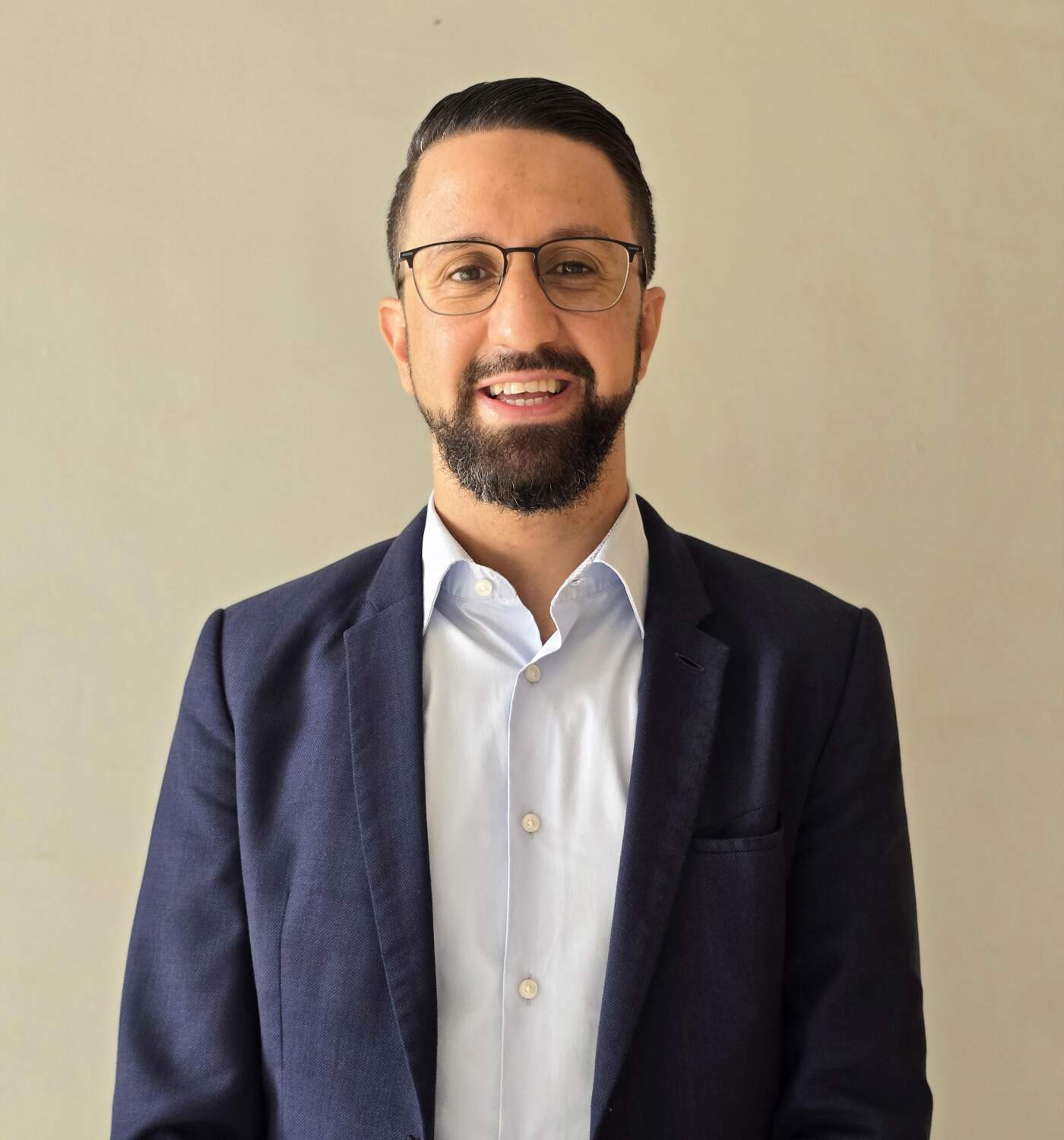
Hacen Mohammedi:
Such a network can extend outreach, improve public understanding, and drive action. Influencers gain credibility and purpose-driven content; organizations benefit from increased visibility and support; and ultimately, humanitarian initiatives can reach broader audiences, attract funding, and contribute to lasting development outcomes.