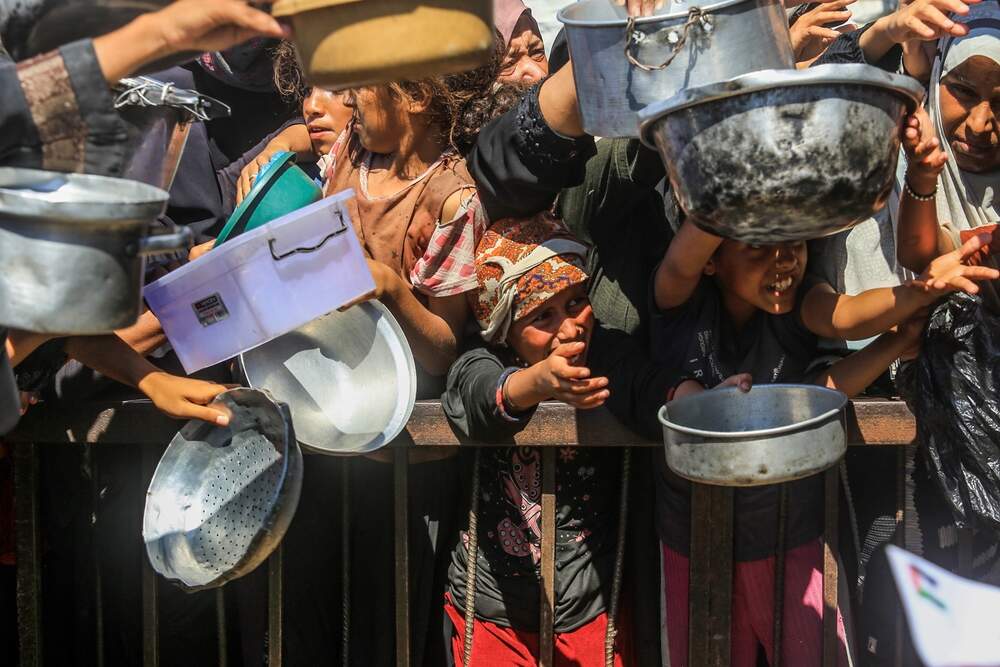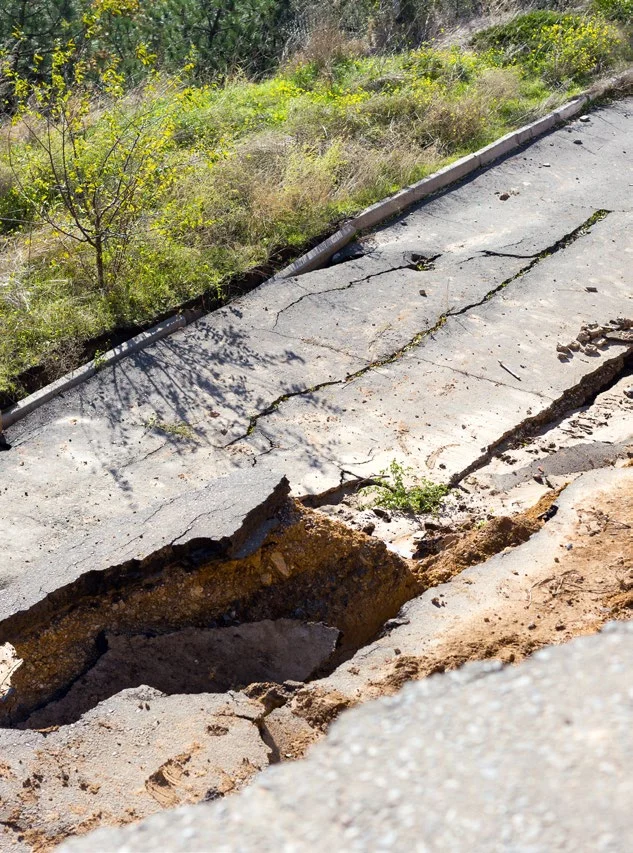
Crises take various forms and patterns and affect people, animals and the surrounding environment. They range from natural disasters, such as earthquakes, volcanoes and floods, to man-made crises like armed conflicts, which are the most destructive to communities. It was therefore necessary to develop methods and strategies to confront these crises and disasters, mitigate their impacts, preserve the survivors’ dignity and enhance their ability to recover amid the toughest challenges. This is known as “disaster and crisis management”.
Crisis and disaster management requires pre-plans that can be implemented immediately. These plans outline broad guidelines and the necessary immediate actions, making it easier for officials, experts and workers in this field to carry out their duties effectively. In this article, we present the most important stages of crisis and disaster management to ensure better efficiency and greater effectiveness.
Article Highlights
- Disaster and crisis management has four stages: prevention and mitigation, preparedness and readiness, urgent response, and early recovery and reconstruction.
- Two stages come before a disaster strikes, and two accompany or follow it.
- Preparedness includes early warning systems, emergency plans, stockpiled supplies and trained teams.
- Early recovery and reconstruction can take from 5 to 10 years or more.
The Disaster Management Cycle and Its Stages
The disaster and crisis management cycle consists of four fundamental stages. Two come before the disaster or crisis occurs: prevention and mitigation, and preparedness and readiness. Two come just before, during or immediately after it: urgent life-saving response, and early recovery and reconstruction.
First Stage: Disaster Prevention and Mitigation
Risk prevention and mitigation are the necessary capabilities and measures aimed at preventing disasters or minimizing their occurrence to reduce the loss of lives and property. Examples include building dams or floodwater control structures and making firebreaks in wildfire-prone areas before the fire season, as well as improving environmental and social policies and raising public awareness.
Prevention aims to reduce the loss of lives and property by reducing the impact of disasters before they strike.
Mitigation refers to measures taken, usually in the form of specific programmes, to reduce the impact of disasters on society. For example, developing and enforcing building codes can reduce damage and losses in earthquakes and hurricanes. The term usually indicates that although some disaster effects may be prevented, others will remain and can be adjusted or reduced if appropriate actions are taken.
Second Stage: Preparedness and Readiness
Preparedness, according to the United Nations Office for Disaster Risk Reduction, is “the knowledge and capacities developed by governments, response and recovery organizations, communities and individuals to effectively anticipate, respond to and recover from the impacts of likely, imminent or current disasters.” In practice, preparedness can include early warning systems, emergency planning, stockpiling equipment and supplies, establishing coordination mechanisms and training teams to respond quickly and effectively to disaster situations.
Third Stage: Urgent Life-Saving Humanitarian Response
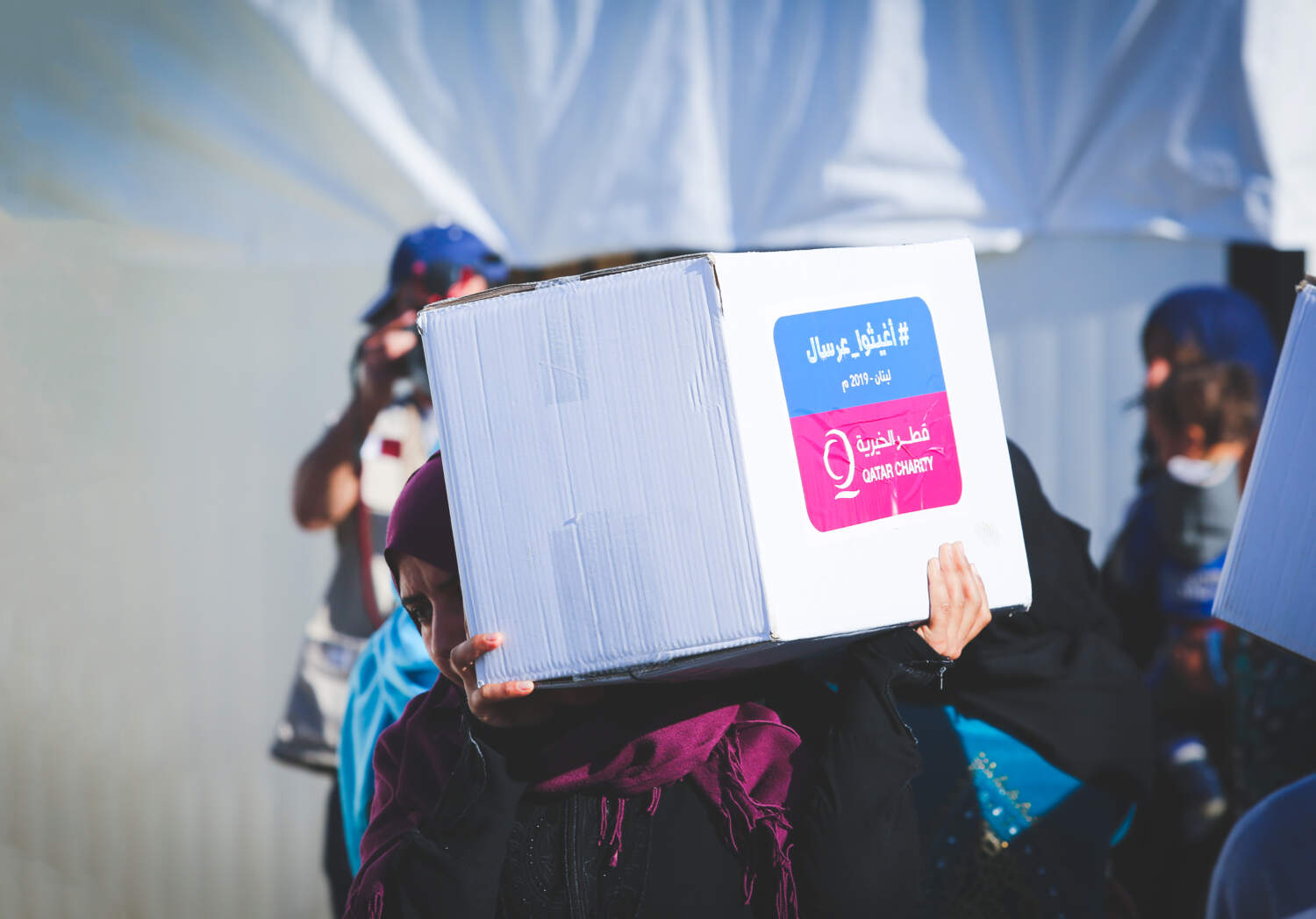
Response is defined as “actions taken directly before, during or immediately after a disaster in order to save lives, reduce health impacts, ensure public safety and meet the basic subsistence needs of the people affected.” Disaster response is predominantly focused on immediate and short-term needs and is sometimes called disaster relief. It should encompass the implementation of pre-prepared measures that rely on an understanding of disaster risks.
Fourth Stage: Early Recovery and Reconstruction
Early recovery or reconstruction is the process by which communities are assisted in returning to their normal levels after a disaster. The process can be lengthy and continuous, taking from 5 to 10 years or even more. Early recovery typically includes other aspects of reconstruction that pave the way to a sustainable development phase, which can be defined as the gradual progress and modernization of communities.
Early recovery paves the way to a sustainable development phase.
The general focus of the early recovery approach, as defined by the United Nations Development Programme (UNDP), is on restoring national capacity, institutions and communities to recover from armed conflict or natural disasters, entering a transitional phase and rebuilding in a better way.
Disaster and Crisis Damage in Figures
Figures published by the magazine with this article in March 2024, reflecting what was available at that date.
Disaster and Crisis Damage in Figures
Four crises in the region as reported by Ghiras magazine, issue 30

Türkiye Earthquake
DeathsMore than 60,000
Libya Floods
DeathsMore than 4,000
Morocco Earthquake
DeathsNearly 3,000
Sudan Conflict
Displaced and refugees7 million
Türkiye
EarthquakeDeathsMore than 60,000
- Injured
- More than 110,000
- Buildings destroyed
- More than 500,000
Source: Ghiras magazine.
Libya
FloodsDeathsMore than 4,000
- Missing
- More than 8,540
- Displaced
- 43,059
- Of them children
- More than 16,000
- Homes destroyed
- More than 2,000
WHO, IOM, UNICEF.
Morocco
EarthquakeDeathsNearly 3,000
- Injured
- 5,674
- Children affected
- 100,000
- Houses damaged
- 329
OCHA, UNICEF.
Sudan
ConflictDisplaced and refugees7 million
- Relying on aid to survive
- More than half the population
United Nations, UNHCR, UNICEF.
Read also: Qatar Charity’s Crisis Management Centre Speeds Humanitarian Response