Key points from this interview
- QAR 236 million of humanitarian work across 31 countries in the first seven months of 2026, reaching about 5.8 million people.
- Gaza, Sudan, Yemen, Somalia and Syria lead the response priorities, alongside the Rohingya crisis, which receives far less media attention than its scale.
- A technical crisis management centre was launched to unify early monitoring, data analysis and faster decision making.
- Main obstacles: restrictions on financial transfers, rising shipping costs, and the difficulty of getting aid into Gaza and Sudan.
- Partnerships with OCHA, UNHCR and Save the Children, and domestic coordination with the Ministry of Foreign Affairs, Qatar Fund for Development, Qatar Red Crescent and Hamad Medical Corporation.
Gaza, Sudan and Yemen currently top our humanitarian priorities
At a time when the world is witnessing an unprecedented escalation in humanitarian crises, natural disasters, conflicts, displacement and refugee situations, Qatar Charity continues to play its role in providing humanitarian and relief assistance to the most vulnerable groups across the world. It does so draw on extensive field experience, a broad network of international and regional partnerships, and a firm commitment to internationally recognized humanitarian standards. The value of its humanitarian interventions during the first seven months of 2026 exceeded QAR 236 million across 31 countries. Qatar Charity has also strengthened its humanitarian response readiness by launching, a few months ago, a technology-based center for crisis and disaster management.
| Period | Value of work | Beneficiaries | Countries |
|---|---|---|---|
| Full year 2025 | QAR 455 million | 8.6 million people | 34 |
| January to July 2026 | QAR 236 million | 5.8 million people | 31 |
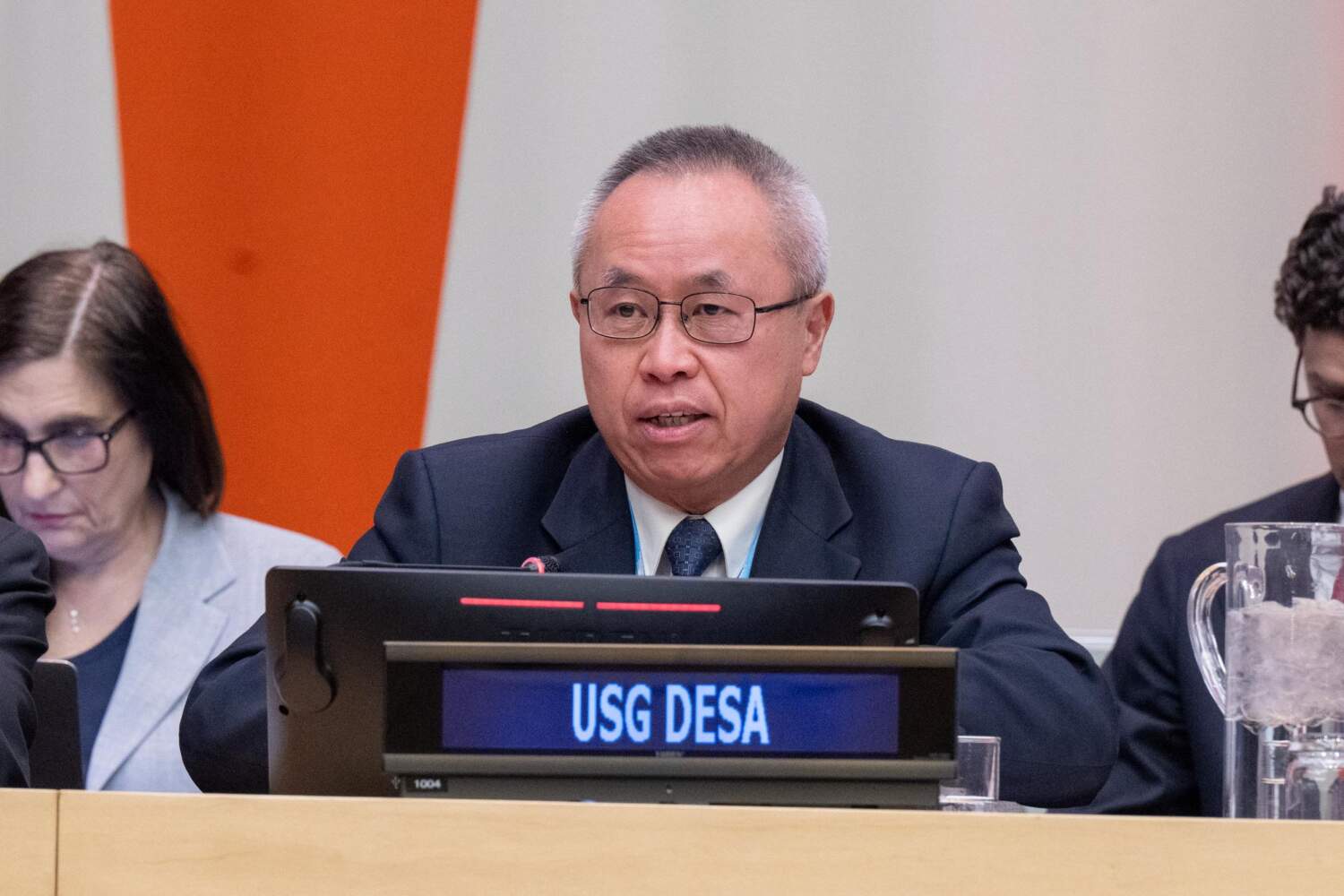
In this interview, conducted in conjunction with the International Day of Humanitarian Action on 19 August, Ms. Aisha Al Kuwari, Director of Humanitarian Operations at Qatar Charity, discusses the mechanisms used to determine humanitarian intervention priorities, assess humanitarian needs and respond rapidly to disasters. She also sheds light on the key challenges facing the delivery of humanitarian aid, the scale of Qatar Charity’s humanitarian interventions, the situation of refugees and internally displaced persons around the world, and the role of international partnerships in enhancing the impact of humanitarian action.
Humanitarian Crisis Management and Setting Intervention Priorities
How does Qatar Charity determine its intervention priorities across different humanitarian crises? What criteria does it use to assess humanitarian needs before carrying out its interventions?
Qatar Charity determines its humanitarian intervention priorities based on an assessment of the severity of the humanitarian crisis, the scale of humanitarian needs and their impact on the affected population, while adhering to recognized international humanitarian standards.
In protracted crises, such as those in Sudan, Yemen and Somalia, Qatar Charity conducts a periodic review of the humanitarian situation at the end of each year and identifies humanitarian priorities and intervention plans for the following year, ensuring a response to the most urgent needs.
In cases of natural disasters and sudden-onset crises, Qatar Charity relies on field assessments and coordination with official authorities and humanitarian organizations operating in the affected areas to determine the extent of damage, human losses and material losses, and to design humanitarian interventions that respond to actual needs and prevent duplication of services.
Humanitarian needs are assessed according to standards and indicators developed by the United Nations and the International Red Cross and Red Crescent Movement, ensuring the application of global humanitarian best practices in the areas of shelter, water and sanitation, health, nutrition and education in emergencies.
Readiness and Rapid Response to Disasters
What is Qatar Charity doing to ensure the required readiness for rapid response to natural disasters and crises?
Humanitarian preparedness at Qatar Charity is built on an integrated system for early crisis monitoring, information management, emergency planning, and the strengthening of logistical and operational capacities.
A technology-based information and crisis management center has been launched with the aim of unifying efforts and developing the organization’s institutional capacity to monitor humanitarian crises, analyze data, and make decisions more quickly and effectively.
Specialized tools are used to monitor natural disasters and conflicts, and to track displacement movements and the movement of affected communities, helping to build a humanitarian response based on evidence and accurate data.
Qatar Charity also relies on a network of its field offices and local partners, in addition to pre-arranged agreements with service providers and suppliers of relief materials, to ensure rapid intervention when disasters and humanitarian crises occur.
Challenges in Delivering Humanitarian Aid in Crisis Areas
What are the main challenges you face in delivering aid to disaster-affected areas? How do you address these challenges?
Among the most prominent challenges currently facing humanitarian work are obstacles related to financial transfers to certain countries experiencing crises or subject to international restrictions and sanctions. This may affect the speed of implementing humanitarian interventions and meeting urgent needs.
Global logistical challenges also represent one of the key obstacles facing humanitarian organizations, particularly about maritime shipping, humanitarian supply chains, and the transport of aid to affected areas.
Additional challenges arise in conflict zones and complex crisis settings such as Gaza and Sudan, where difficulties are linked to bringing in humanitarian aid, securing transport routes, and ensuring that relief reaches the targeted groups.
Efforts are being made to strengthen coordination with the relevant authorities and various humanitarian actors, and to continuously exchange field information, which helps improve access to affected populations and ensure the safety of humanitarian workers.
It is also essential to preserve the neutrality of humanitarian action, avoid the politicization of humanitarian aid, and ensure that assistance reaches those in need in accordance with internationally recognized humanitarian principles.
The Scale of Humanitarian Interventions and Their Global Impact
What was the total cost of Qatar Charity’s humanitarian projects and interventions in 2025, and how many people benefited from them?
The value of the urgent humanitarian interventions carried out by Qatar Charity in 2025 amounted to approximately QAR 455 million, benefiting 8.6 million people across 34 countries worldwide.
These interventions were distributed across key humanitarian sectors, including shelter and non-food items, nutrition, water and sanitation, health, and education in emergencies, with the shelter and non-food items sector accounting for the largest share of humanitarian interventions.
What was the total cost of humanitarian operations, and how many people had benefited from them by the end of July 2026?
By the end of July 2026, Qatar Charity had implemented humanitarian projects and interventions in 31 countries, with a total value of approximately QAR 236 million, benefiting around 5.8 million people.
Humanitarian Action Priorities in Today’s World
Which countries and regions are currently among Qatar Charity’s key humanitarian priorities?
Current humanitarian response priorities include the Gaza Strip, Sudan, Yemen, Somalia and Syria, given the scale of humanitarian needs in these areas and the impact of protracted crises and conflicts on millions of civilians.
The situation of refugees and internally displaced people also remains a major priority, including the Syrian refugee crisis, one of the world’s most protracted humanitarian crises, which continues to receive significant international attention considering the scale of needs on the ground.
Global Logistical Challenges and Their Impact on Humanitarian Action
To what extent are challenges affecting international maritime routes impacting humanitarian interventions?
Challenges affecting international maritime routes have driven up transportation and shipping costs and slowed the delivery of humanitarian supplies to people in need. They have also prompted humanitarian organizations to explore alternative logistical solutions and additional routes for transporting aid.
This has placed greater pressure on land transportation networks and logistical services, affecting the efficiency and speed of humanitarian aid delivery in some areas.
There is therefore a growing need to facilitate the movement of humanitarian assistance and ensure its smooth delivery by removing any procedures or restrictions that could delay or obstruct its timely arrival to affected populations.
The Situation of Refugees and Displaced People Amid Global Crises
Based on your monitoring of the international humanitarian situation, how are the circumstances of refugees, internally displaced people and those affected by crises evolving around the world?
Protracted conflicts and disasters across different regions of the world continue to drive rising levels of displacement and forced migration, placing increasing pressure on host communities and humanitarian actors working on the ground.
In recent years, several countries have experienced major waves of displacement driven by crises and prolonged humanitarian emergencies. At the same time, the prospects for many refugees remain closely linked to improvements in security, economic and health conditions in their countries of origin.
The absence of sustainable political solutions and the continuation of conflicts also contribute to prolonging humanitarian crises and sustaining patterns of displacement and forced migration in many parts of the world.
International Humanitarian Partnerships and Their Role in Strengthening Impact
How do your partnerships with international organizations contribute to strengthening humanitarian interventions?
International humanitarian partnerships are a key component of effective modern humanitarian response. They help coordinate efforts, facilitate the exchange of information and expertise, and strengthen coordination during disasters and crises.
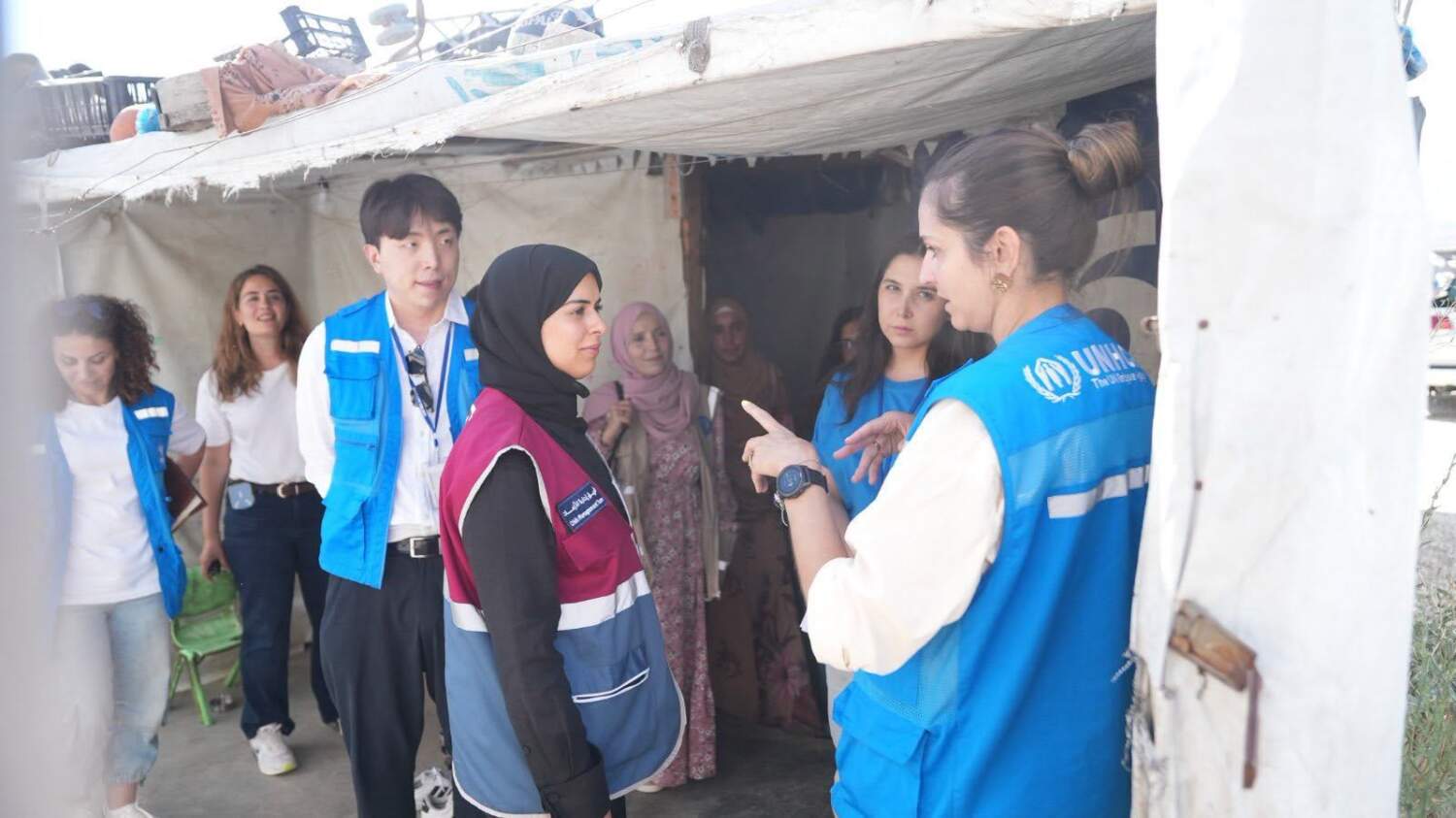
Qatar Charity maintains partnerships with several international and UN organizations, including the United Nations Office for the Coordination of Humanitarian Affairs (OCHA), the United Nations High Commissioner for Refugees (UNHCR), and Save the Children.
These partnerships contribute to the implementation of joint humanitarian projects, enhance the efficiency of humanitarian interventions, support emergency appeals and responses, and help expand access to humanitarian assistance.
National Cooperation in Support of Global Humanitarian Action
How is coordination carried out with relevant local entities within Qatar?
Qatar Charity maintains ongoing coordination with governmental and non-governmental entities involved in humanitarian action, including the Ministry of Foreign Affairs, the Qatar Fund for Development, Qatar Red Crescent Society, and Hamad Medical Corporation.
This cooperation contributes to strengthening medical, logistical and technical capacities, supporting humanitarian interventions and operations, and expanding the range of services provided to affected communities.
A Message on World Humanitarian Day
What message would you like to share with philanthropists and donors?
The support of philanthropists and donors in Qatar is fundamental to sustaining humanitarian action and ensuring that assistance reaches millions of people in need and those affected by crises around the world.
The achievements and humanitarian projects delivered over recent years demonstrate the profound impact of humanitarian giving in alleviating suffering and improving the living conditions of affected communities.
Qatar Charity remains committed to advancing its humanitarian mission, serving as a bridge for solidarity, generosity and mutual support, and reflecting the deeply rooted humanitarian values for which the State of Qatar is known while contributing to supporting affected populations and assisting people in need wherever they are.
How humanitarian response works
How do humanitarian organisations decide where to intervene first?
By assessing the level of the crisis, the scale of need and its effect on the affected population. Protracted crises are reviewed on an annual cycle, while sudden disasters rely on field assessment and coordination with actors already present, to avoid duplicating services.
Why does humanitarian aid take so long to reach people?
Three recurring reasons: restrictions on financial transfers to countries under sanctions, higher shipping costs and longer supply routes, and the difficulty of getting aid in and securing transport routes in conflict areas such as Gaza and Sudan.
Which international standards govern humanitarian intervention?
Needs are assessed against criteria set by the United Nations and the International Red Cross and Red Crescent Movement, covering shelter, water and sanitation, health, nutrition and education in emergencies.
What do international partnerships add to humanitarian work?
They unify effort, allow information and expertise to be shared, and improve coordination during disasters. Qatar Charity works with OCHA, UNHCR and Save the Children on joint projects and emergency appeals.