Our strategy is built around “Empowerment, Sustainability and Impact”
- The 2030 Strategy aims to strengthen Qatar Charity’s position globally
- An integrated system has been launched to monitor strategy implementation and institutional performance
- Digital transformation and business process re-engineering have helped accelerate processes
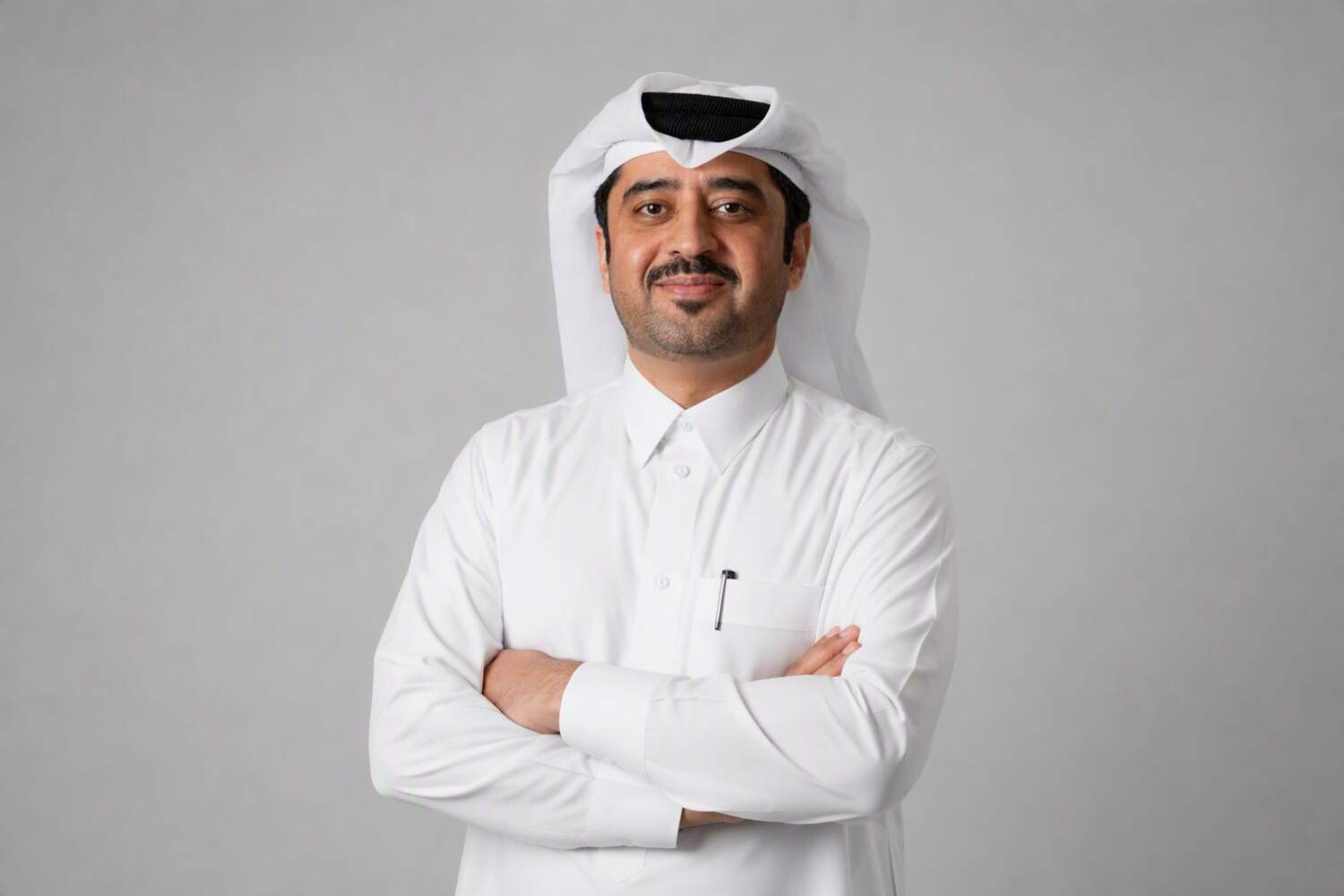
Mr. Hamad Al Jaber, Director of the Planning and Institutional Excellence Office at Qatar Charity, said that the organization’s strategy, launched on 17 May, is built around three main pillars: “Empowerment, Sustainability and Impact.”
He explained that the strategy was developed following extensive analysis and consultation involving more than 21,000 beneficiaries and over 400 employees, as well as representatives of the local community in Qatar, donors, government entities, partners and volunteers. The process also included more than 15 analytical sessions with managers, officials and experts.
In an interview with Al Arab, Al Jaber said the strategy aims to consolidate Qatar Charity’s position by 2030 as a leading international NGO in humanitarian and development work. This will be achieved by strengthening institutional capacities, fostering innovation and digital transformation, expanding partnerships and maximizing sustainable impact.
He also highlighted the launch of an integrated institutional performance management system covering both strategic and operational performance. The system monitors the implementation of institutional projects and measures key performance indicators to ensure that organizational objectives are achieved.
To what extent is Qatar Charity’s strategy progressing according to plan?
Al Jaber: Qatar Charity launched its strategy on 17 May. It can be summed up in three words: Empowerment, Sustainability and Impact.
Empowerment encompasses the empowerment of employees, beneficiaries, beneficiary communities and partner entities. Sustainability means ensuring the sustainability of our resources and the projects we implement. Impact, meanwhile, means demonstrating the impact of our humanitarian and development interventions in a clear and tangible way that donors can see and feel.
We developed the strategy through an extensive analysis and consultation process involving more than 21,000 beneficiaries and over 400 employees, as well as government entities, partner organizations, donors and volunteers. The process was also informed by more than 15 analytical sessions with managers, officials and experts.
All this information helped us identify six key areas of focus: humanitarian and development interventions, both locally and internationally; marketing and resource mobilization; institutional identity and reputation; stakeholder relations; and institutional capacities.
Based on these findings, we developed our vision, mission and values, as well as our tagline: “A Dignified Life for All.”
We have set ourselves a clear outcome to achieve by 2030: to consolidate Qatar Charity’s position as a leading international NGO in humanitarian and development work that maximizes its impact for the people and communities it serves through specialized programmes addressing national priorities and effective partnerships. This will be supported by innovation and digital transformation, financial sustainability, institutional excellence and operational agility, all of which strengthen stakeholder confidence and institutional identity.
The strategy has not remained merely a document on paper. We have launched an integrated package of institutional projects that contribute to its implementation and create a comprehensive working environment within Qatar Charity, bringing together different departments and strengthening collaboration among teams.
These institutional projects have been divided into three main categories: operational projects, strategic projects and transformational projects. Together, they are intended to move Qatar Charity from its current position towards the desired future state we aim to achieve by 2030.
This has helped create a positive environment among departments and employees. At the same time, we designed an integrated institutional performance management system to monitor strategic performance, as well as the operational performance of departments and the efforts of individual employees, and to demonstrate how these efforts contribute to achieving the strategy.
Today, we have an integrated system that enables us to track our work and translate our data into charts and dashboards, allowing us to monitor processes, development and progress across the organization.
All of this supports continuous development and improvement as we work towards our desired outcome: becoming a leading organization in humanitarian and development work globally, God willing.
These are ambitious objectives. What has been achieved so far, and what work has been undertaken during the recent period?
One of the key programmes we designed as part of our strategy is the digital transformation programme. We have completed the development of several projects and systems, including human resources, accounting and financial management, and enterprise resource management systems. These systems have also been upgraded.
We have also established an institutional performance management system, which has made a clear contribution to linking employees, departments and units to the strategy.
At another level, we have undertaken projects to re-engineer the organization’s processes and develop its operating model. We are now beginning to see a clear impact in terms of faster processes, improved project quality and shorter project life cycles.
In the area of humanitarian response, for example, Qatar Charity has established the Centre for Information and Crisis Management. This has helped us achieve one of our strategic objectives: accelerating access to beneficiaries during crises.
There are many other initiatives and projects stemming from the strategy. Some predate the strategy, while others emerged from the findings of the analysis we conducted. Many of these initiatives are progressing in parallel. We aim to complete the implementation of all these projects by 2030 and move Qatar Charity into a new phase.
Regarding translating the strategy from objectives into an implementation plan, what mechanisms are being used? How do you monitor progress and implementation?
At the strategic performance level, we primarily monitor the institutional projects, which have been divided into three levels.
Operational projects contribute to improving day-to-day operational processes in terms of efficiency and effectiveness.
Strategic projects strengthen Qatar Charity’s positioning and standing in line with global and national indicators.
We also have transformational projects, which contribute to enhancing Qatar Charity’s reputation and changing its operating model.
We have developed an integrated platform for managing and monitoring institutional projects and linking each project to its corresponding strategic objective.
As for performance indicators, they have been classified into three categories:
- Effort indicators, which measure the daily and operational efforts of departments and teams.
- Outcome indicators, which measure the results generated by the operational efforts of departments and teams.
- Leading indicators, which are considered at the organization-wide level and contribute to decision-making and the determination of strategic directions and priorities by senior management.
The frequency of measurement varies according to the type and importance of each indicator.
The integrated institutional performance management system also captures the characteristics of each indicator, including its definition, targets, measurement methodology, required data, sources of verification, responsible parties and stakeholders, as well as the entities that benefit from the indicator.
We are talking today about a large organization such as Qatar Charity, which operates in around 70 countries worldwide. Therefore, we are not referring only to departments at headquarters, but also to departments and more than 30 field offices, partner organizations working with us, the local community, and collection points and branches across Qatar.
We followed a clear methodology in developing the strategy by engaging all stakeholders from the analysis and planning stages. A significant proportion of Qatar Charity employees participated in developing the strategy, in addition to many beneficiaries of our programmes.
We collected their feedback through surveys and analytical sessions and gathered the views and recommendations of major donors and relevant government and local entities.
About implementation, are you seeing the strategy reflected in the decisions and work of different departments?
Absolutely. We have embedded the principle of empowerment as an integral part of our strategy.
When we speak about empowerment, one aspect is empowering employees by giving them greater authority to carry out processes. Employees no longer feel isolated from the broader system or from the organization’s day-to-day workflow and activities.
How has the principle of employee empowerment affected authority and decision-making within the organization?
It would not make sense to say in our strategy that we will empower employees while not giving them any authority.
Today, we have an integrated system designed to link business risks, employees’ efforts and activities, responsibilities and areas of authority. The system has been built on this basis.
Our underlying approach, however, has been to empower employees to perform their duties in accordance with the delegated authority framework, rather than having decisions move progressively up the hierarchy. A purely hierarchical approach ultimately leads to concentration and accumulation of work.
Have you encountered challenges during implementation? What mechanisms have you adopted to address them?
Over the past period and following the circumstances that have affected the region, including Qatar, many things have changed and priorities have shifted.
This has undoubtedly affected the prioritization of funding for projects that contribute to achieving the strategy. For this reason, we invested considerable time and effort in redesigning and restructuring the scope of projects so that they would align with available funding.
We have also strengthened our engagement with partners so that they can become part of these efforts.
You mentioned three pillars of the strategy: Empowerment, Sustainability and Impact. What led to the selection of these pillars?
We conducted extensive analysis and derived these terms from the specific objectives associated with the strategic outcomes.
For example, employee empowerment is reflected in a strategic objective focused on “strengthening investment in human capital development and the work environment,”which is linked to a specific outcome related to strengthening institutional capacities.
We simplified the language of the strategy without reducing its substance. We designed these three pillars so that they would be visible and present throughout our headquarters and on employees’ screens, reminding employees that the organisation is investing in them and empowering them.
Today, for example, our operations staff recognise that they have a role in empowering beneficiaries.
At the level of economic empowerment, when we provide any humanitarian or development intervention, our role does not end with delivering the intervention. The objective is to empower the beneficiary community.
A project is therefore no longer simply about building a mosque and considering the job complete. This approach also reinforces the second pillar, sustainability, by ensuring that the intervention remains sustainable. This is followed by measuring and demonstrating impact.
This is the full connection between Empowerment, Sustainability and Impact.
How do you apply the concept of sustainability to projects? Do financial sustainability and project sustainability play a role in project design?
Absolutely. Sustainability has two dimensions: financial sustainability and the sustainability of the projects themselves.
Projects are now designed or redesigned to achieve longer-term sustainability. By way of example, a project today may not simply consist of a school. It may include a component that generates revenue, with that revenue contributing to the sustainability of the project.
Another example could be the construction of a multi-service centre incorporating commercial units that can be rented out, with the resulting income helping to operate and sustain the centre.
The centre could also include a Qur’an memorisation facility, a mosque and a well, for example, with the generated revenues contributing to the sustainability of all these components.
How do you apply the concept of impact, and how do you communicate and demonstrate that impact for beneficiaries?
We do not assess the organization’s financial return. Rather, we assess the social return on investment generated by our interventions.
This is one of the key indicators we have established at Qatar Charity, so that this return can be measured through a clear methodology reflecting the social return on investment and the impact generated by every riyal spent in the field.
Through strategy, do you seek to transform donors into partners?
Absolutely. With the developments taking place around the world and the changes we have witnessed in recent years, we do not aspire to donors to be merely a source of funding. We want them to become development partners from the moment they make a donation until the resulting impact is achieved.
We hope that donors will become partners in our humanitarian and development interventions, following the progress of projects and receiving real-time updates throughout the project life cycle. They should also be informed of the challenges we may encounter and how we address them.
Transparency is one of our core values. Our relationship with donors must therefore be based on partnership, with the donor regarded as part of the organisation and kept informed of what is happening and how we can work together, hand in hand, to achieve the desired outcome and demonstrate the impact of their contribution.
Overall, we seek to transform the concept of the donor from someone who simply donates into an engaged development partner who accompanies us throughout the process until they can see the tangible impact of their contribution in the field.
To achieve this, an institutional project has been launched to re-engineer our relationship with donors. It is led by a specialized team that is examining the process from beginning to end and determining how it can be translated at the systems level and reflected in the donor experience.
How do you manage funding for institutional projects related to the strategy and the development of Qatar Charity’s institutional performance, particularly amid the funding gap and the growing international humanitarian needs?
There is no doubt that funding these projects is not easy, particularly given the circumstances affecting the region, as most donations today are directed towards humanitarian and development interventions and social welfare rather than institutional projects.
Qatar Charity is therefore seeking institutional partnerships. Thankfully, Qatar Charity currently has more than 500 partners, both locally and internationally.
Regarding partnerships, some take the form of corporate social responsibility, while others involve in-kind contributions, such as supporting research or the development of certain platforms and programmes through the provision of specialized expertise.
All of this represents a form of synergy achieved through partnerships and has contributed to reducing development, humanitarian and institutional gaps.
How do you envision Qatar Charity’s position on the global humanitarian map in 2030, at the end of the current strategic plan?
As our main outcome, we have set ourselves the objective of consolidating Qatar Charity’s position as a leading organisation in humanitarian and development work by the end of this period.
By “leading”, we mean that we aspire to make Qatar Charity the number one organization in humanitarian and development work. God willing, this can be achieved through the efforts and participation of everyone, and this is what we hope to accomplish.
We also hope to have completed all institutional projects and to see their impact reflected in our performance indicators, thereby elevating Qatar Charity’s standing and repositioning it at higher levels globally.
* This interview was conducted by Qatar’s Al Arab newspaper and published on October 4, 2026.
Interview conducted by Hamed Suleiman for Al Arab newspaper, Qatar
The Strategy in Numbers
- The strategy was launched on May 17, 2026.
- 21,000 beneficiaries participated in the analysis.
- More than 400 employees contributed to its development.
- More than 15 analytical sessions were held with managers, officials, and subject-matter experts.
- Operations span approximately 70 countries.
- The organization maintains more than 30 field offices.
- The organization works with more than 500 partners.
- Three strategic pillars: empowerment, sustainability, and impact.
- Three types of institutional projects: operational, strategic, and transformational.
- Three tiers of performance indicators: effort, outcome, and leading indicators.
The Strategy’s Three Pillars
Empowerment
Empowering employees, beneficiaries, local communities, and partner organizations, while building institutional capacity and strengthening human capital.
Sustainability
Securing the long-term sustainability of resources and projects, and redesigning interventions to ensure that their benefits and services endure for as long as possible.
Impact
Measuring and demonstrating the impact of humanitarian and development interventions and linking it to the social value generated for beneficiaries and communities.
Key Concepts Discussed in the Interview
Digital Transformation
Modernizing institutional systems—including human resources, accounting, financial management, and enterprise resource planning—and aligning employees, departments, and divisions with the strategic direction.
Business Process Reengineering
Redesigning the organization’s operating model to streamline processes, enhance project quality, and reduce the project life cycle.
Institutional Performance Management
An integrated framework for monitoring strategic and operational performance, tracking achievement against key indicators, and aligning institutional projects with strategic objectives.
Social Return on Investment
A methodology for quantifying the social value and impact generated by humanitarian and development interventions, including the value created for every Qatari riyal invested in field operations.
Partnership with Donors
Evolving the donor relationship from a funding arrangement into a genuine development partnership, enabling donors to track the project life cycle and gain clear insight into implementation challenges, progress, and the impact of their contributions.
Guest Profile
- Name: Hamad Al Jaber.
- Position: Director of the Planning and Institutional Excellence Office.
- Organization: Qatar Charity.
- Interview focus: Qatar Charity’s 2030 Strategy; its implementation and monitoring frameworks; digital transformation; performance management; sustainability; impact measurement; and institutional partnerships.