The Tatawa national volunteer platform is Qatar’s unified national framework for organizing and managing volunteer work, launched on 10 May 2026.
We Aspire to Make Volunteering a Deeply Rooted Part of Qatar’s Social Culture
We Regard Qatar Charity’s “Izdehar” Platform as a National Asset
Volunteer work in Qatar is undergoing a strategic transformation with the launch of the national volunteering platform, “Tatawa.” The platform provides a unified national framework for organizing volunteer efforts, expanding community participation, improving the management of volunteer opportunities and initiatives, and measuring their development impact. Moreover, this step forms part of a national drive to move volunteering beyond scattered initiatives toward an integrated system founded on governance, digitalization, and partnership among stakeholders. It advances national development objectives and strengthens a culture of giving and social responsibility.
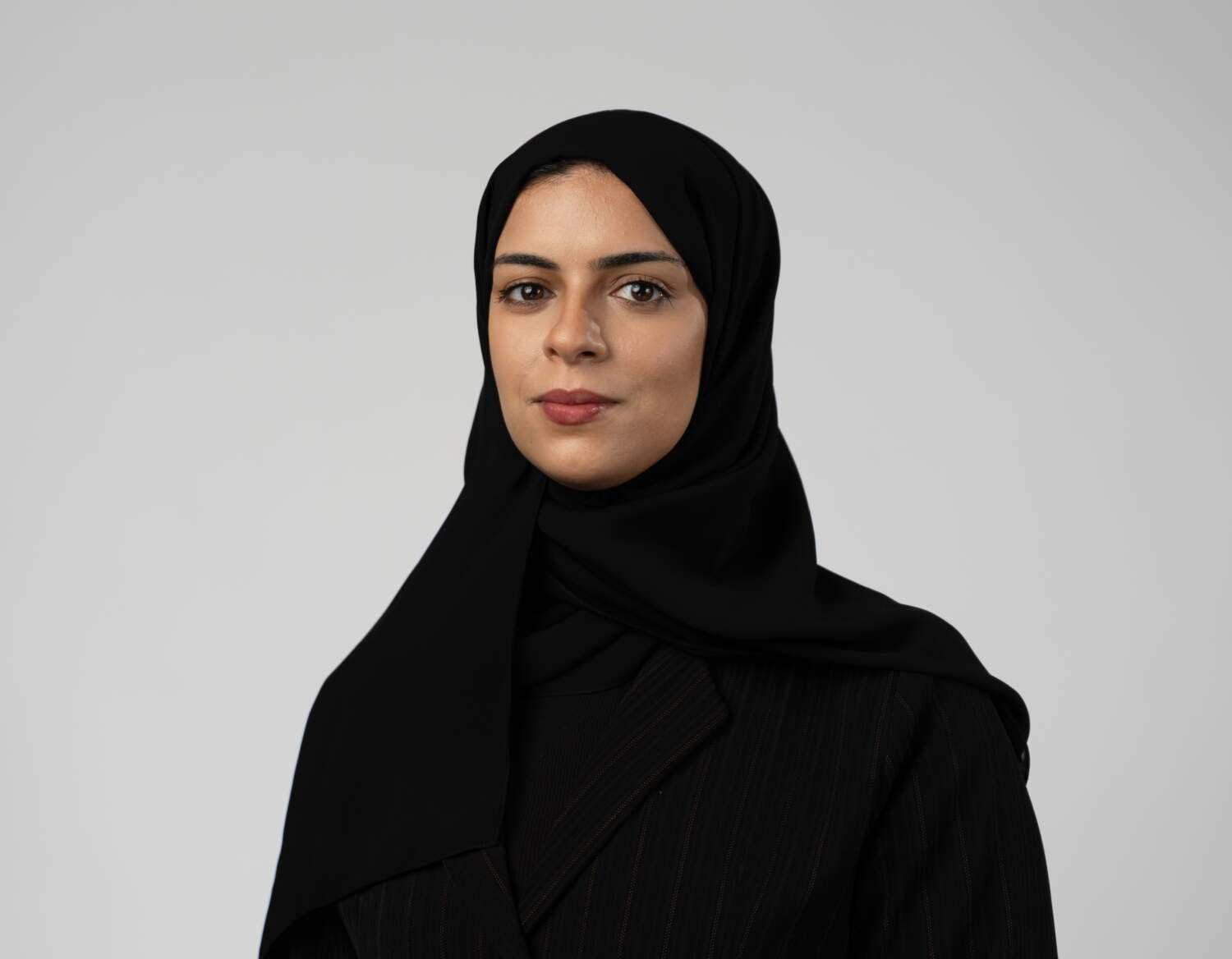
In this interview with Ghiras Magazine, Ms. Fatima Al-Tawil, Assistant Director of the Community Development Department at the Ministry of Social Development and Family, discusses the objectives and key services of the “Tatawa” platform, its role in documenting volunteer efforts and measuring their impact. She also discusses how charities and charitable institutions can use it to expand the reach and sustainability of their community projects. She also addresses opportunities for integration between “Tatawa” and leading institutional platforms, including Qatar Charity’s “Izdehar” platform, to help build a more cohesive and impactful volunteer ecosystem across Qatar. The following is the full interview:
The Tatawa National Volunteer Platform at a Glance
- The “Tatawa” platform is Qatar’s unified national framework for organizing and managing volunteer work.
- The platform was launched as part of efforts to achieve the objectives of the Third National Development Strategy 2024-2030.
- It provides an integrated digital environment for registering volunteers, organizations, and volunteer teams, and for managing opportunities and projects.
- The platform supports sound governance of the volunteer sector by standardizing procedures, strengthening transparency, and documenting volunteer participation.
- It records volunteer hours and issues officially certified statements in both Arabic and English.
- It supports the expansion of skills-based volunteering and the use of professional expertise and capabilities in service of the community.
- It enables charities and charitable institutions to recruit volunteers, manage their participation, and document the impact of their projects.
- It strengthens partnerships and coordination among government entities, charitable institutions, the private sector, and community initiatives.
- The Ministry views Qatar Charity’s “Izdehar” platform as a pioneering national initiative that supports the volunteer ecosystem.
- The platform aims to establish volunteering as a sustainable social culture and to build a pioneering Qatari model that can serve as a reference across the region.
Strategic Transformation: The Tatawa National Volunteer Platform
The Ministry of Social Development and Family has launched the national volunteering platform. What qualitative contribution does it make to the development of volunteer work in Qatar, and what distinguishes it from previous initiatives and platforms?
The platform marks a strategic shift in the development of Qatar’s volunteer ecosystem. It provides a unified national framework that connects volunteers, volunteer teams, and relevant organizations within a trusted digital environment built on governance, transparency, and efficiency.
Furthermore, it was launched on 10 May 2026 under the patronage of His Excellency Sheikh Mohammed bin Abdulrahman bin Jassim Al Thani, Prime Minister and Minister of Foreign Affairs, as part of strategic projects supporting the objectives of the Third National Development Strategy 2024-2030. It also strengthens community participation and increases the contribution of volunteering to national development.
Its principal value lies in providing an integrated, officially recognized national gateway for managing and documenting volunteer work. Its functions include registering and licensing organizations; registering volunteers and volunteer teams; publishing projects and opportunities; recruiting and selecting volunteers; monitoring implementation. Its functions also include recording volunteer hours; issuing volunteer statements; and providing data and statistics to support planning and impact measurement.
The platform also documents and showcases the efforts of organizations across different sectors, highlights their volunteer contributions, and creates opportunities for them to collaborate on joint national projects, initiatives, and campaigns. This helps pool expertise and resources, maximize program impact, and support long-term continuity.
Governance of the Volunteer Sector on the Tatawa National Volunteer Platform
The Ministry has spoken of transitioning to an integrated national volunteering ecosystem. How will the national volunteering platform help govern the sector, improve its efficiency, and deliver a more sustainable development impact?
The national ecosystem integrates legislation, policies, guidance manuals, digital tools, capacity-building programs, and institutional partnerships. The platform is the digital instrument that connects these components and translates them into clear, coordinated procedures.
The enactment of Law No. 6 of 2026, promulgating the Unified Voluntary Work Regulation (Law) for the Gulf Cooperation Council States, further strengthened the ecosystem’s legislative framework. It did so by defining the Ministry’s mandate, registration and licensing requirements, the responsibilities of organizations, volunteers, and volunteer teams, and the frameworks for supervision and oversight.
Furthermore, the platform improves operational efficiency by standardizing core procedures, verifying organizational data, defining roles and responsibilities, matching volunteer numbers to actual project needs, monitoring implementation and evaluation, and documenting participation and volunteer hours.
It also provides a national space in which organizations can identify existing areas of work and opportunities for collaboration, and design and implement joint projects and campaigns that draw on each organization’s mandate, expertise, and capabilities.
The aim is to shift the focus from the volume of participation to the impact it creates, through high-quality projects that respond to community needs and produce outcomes that can be measured, improved, and sustained.
National Documentation of Volunteering in Qatar
What are the main benefits and services the platform offers volunteers and organizations that provide volunteer opportunities? How can these services strengthen the culture of volunteering and attract new segments of society?
The platform provides individuals with a secure electronic registration process through the National Authentication System. Qatari citizens and residents aged 18 and above may register. Once they complete their profiles and required information, volunteers can browse available projects and opportunities and apply for those aligned with their interests, skills, and experience.
A parent or legal guardian may also register a minor under the age of 18 through the parent’s or guardian’s account, subject to submission of proof of guardianship. The application is reviewed and approved, and when the minor turns 18, they can access their profile independently.
In addition, through their account, volunteers can view a project’s objectives, the nature of the role and required tasks, location, schedule, number of hours, and any skills or requirements associated with the opportunity. They can also track their participation and build a verified volunteer record.
Once participation is complete and the volunteer and implementing organization have evaluated each other, an official, state-recognized volunteer statement is issued electronically in Arabic and English. It includes the volunteer’s name and role, the project name, the number of hours, the participation date, and the implementing organization’s logo.
Services for Organizations on the Tatawa National Volunteer Platform
For organizations and volunteer teams, the platform enables them to publish projects and opportunities; define the required roles, numbers, and skills; recruit and select volunteers; appoint supervisors; monitor implementation; evaluate performance; document hours; and access reports and statistics.
Easy registration and access to opportunities help attract diverse segments of society. The platform also supports the expansion of specialized, skills-based volunteering, allowing professional and academic expertise to be mobilized in response to community needs.
In short, the main facts about the platform are summarized below:
| Topic | Detail |
|---|---|
| Launch date | 10 May 2026 |
| Strategy it supports | Third National Development Strategy 2024-2030 |
| Legislation | Law No. 6 of 2026, promulgating the Unified Voluntary Work Regulation (Law) for the Gulf Cooperation Council States |
| Who may register | Qatari citizens and residents aged 18 and above |
| Minors under 18 | Registered by a parent or legal guardian, subject to proof of guardianship |
| Volunteer statement | Issued electronically in Arabic and English |
The Tatawa National Volunteer Platform and Charitable Organizations
Charities and charitable institutions are among the most important drivers of volunteering in Qatar. How can they benefit from the national volunteering platform, and what value will it add to their programs and community initiatives?
The Ministry greatly values the pivotal role played by charities and charitable institutions in Qatar, and their leading experience in recruiting volunteers and managing humanitarian programs and community initiatives.
The platform gives these organizations an accredited national gateway through which to present their projects and opportunities and reach a broader, more diverse pool of volunteers, while specifying the numbers, roles, skills, and specializations required for each project.
It also helps them manage volunteers throughout the process, from recruitment and selection through orientation, supervision, and monitoring, to evaluation, the documentation of hours, and the issuance of volunteer statements.
One of the platform’s most important added benefits is that it highlights the volunteer role of charitable institutions and records their contributions within national indicators. Also, this reflects the scale of their projects, volunteer numbers and hours, fields of activity, and beneficiary groups.
The platform also strengthens opportunities for cooperation among charities, government entities, the private sector, and civil society organizations in implementing joint projects, initiatives, and campaigns. This helps integrate resources and expertise, broaden their reach to beneficiaries, and maximize the community impact and sustainability of programs.
The Relationship Between “Izdehar” and “Tatawa”
Some charitable institutions in Qatar have developed leading models for managing volunteering through specialized platforms, including Qatar Charity’s “Izdehar” platform. How do you view the role of such platforms in supporting the national ecosystem, and what mechanisms are available to strengthen integration and capitalize on their accumulated experience?
The Ministry values specialized institutional platforms, including Qatar Charity’s “Izdehar,” as national initiatives that have helped advance practices, recruit volunteers, manage programs, and build significant expertise in volunteering.
This experience is a national asset that can be used to improve volunteer experience, increase the efficiency of project and opportunity management, and develop guidance, procedures, and capacity-building programs.
The national platform serves as a shared digital gateway that consolidates core data and indicators and documents projects, opportunities, volunteers, and volunteer hours nationwide. Meanwhile, institutional platforms continue to meet the operational and specialized needs of their respective organizations.
Integration is being strengthened through institutional and technical coordination, including consideration of electronic connectivity and data exchange in accordance with approved requirements and safeguards. This also enables joint projects and campaigns that combine institutional expertise and capabilities and provide a broader platform for showcasing each organization’s role and volunteer contributions.
Developing Joint Projects
How can the national volunteering platform preserve the distinctiveness and institutional character of established platforms such as “Izdehar,” while incorporating their experience into a unified national vision?
The national ecosystem follows an integrative model that preserves each organization’s institutional identity while linking its outputs to national objectives and indicators.
Organizations retain their missions, identities, programs, initiatives, operating mechanisms, and relationships with their volunteers, while the national platform provides a shared framework for registration, licensing, documentation, data, and results measurement.
Institutional platforms therefore continue to perform their specialized roles, while their projects, opportunities, and volunteer hours are reflected in national data. This documents their efforts, highlights their contributions, and provides an accurate, comprehensive picture of volunteering across the country.
This model also supports the development of joint projects in which each organization’s role and contribution are clearly defined and its results are reflected in the project or campaign outcomes. A unified national vision is therefore based on integrating roles and expertise while preserving the distinctiveness of every institutional model.
Volunteer Hours
Among the platform’s principal objectives are documenting volunteer hours, measuring impact, and providing data and statistics. To what extent can this contribute to the future development of volunteering policies and programs and support decision-making?
Accurate data provides an essential foundation for planning and decision-making. The platform can generate national indicators covering the numbers of volunteers, organizations, teams, projects, opportunities, and volunteer hours, as well as fields of participation, skills, specializations, and beneficiary groups.
Furthermore, these indicators help identify participation trends, pinpoint areas of greatest need, map available skills, direct training and capacity-building programs, and design campaigns, initiatives, and partnerships based on actual needs.
Documentation also ensures that the efforts of organizations and volunteers are recorded. It highlights each organization’s contribution to joint projects and campaigns, and provides an accurate picture of the scale of participation, the distribution of roles, and the results achieved.
Volunteer hours are an important indicator. However, success must also be measured by the quality of participation, the extent to which a project achieves its objectives, the number of beneficiaries, the social value it creates, and its potential for continuity, improvement, or expansion.
By analyzing the data and indicators generated by the platform, efforts can be directed toward the highest-impact programs, successful projects can be sustained, and policies and initiatives can be developed based on accurate information. This enhances the development value and lasting impact of volunteering.
Future Vision: Volunteering as an Enduring Social Culture
What is your vision for the future of volunteering in Qatar in the coming years following the launch of this platform? What message would you offer to charitable institutions, community initiatives, and volunteers as they engage with this new phase?
Our vision is for volunteering in Qatar to become an enduring social culture and an authentic national practice in which people of all backgrounds, ages, and abilities participate. It is also a vision in which everyone can contribute their knowledge, experience, skills, or time.
We believe that realizing this vision requires concerted, coordinated national efforts guided by a shared direction. This will ensure that the roles of government entities, charitable institutions, civil society organizations, the private sector, and community initiatives complement one another. It will also ensure that available expertise, resources, and capabilities are used to their full potential without fragmentation or duplication.
Furthermore, unifying efforts does not mean erasing the distinct identity or role of any organization. Rather, it means directing those efforts toward shared national priorities and objectives, so that every organization contributes within its mandate and areas of expertise. These efforts then converge in projects and initiatives that address community needs and achieve broader, more sustainable impact.
Inclusion and Participation
We also place great importance on broadening participation and strengthening the involvement of all segments of society, including young people, older people, retirees, persons with disabilities, and people with specialized knowledge and expertise. This promotes inclusion and meaningful participation while drawing on the diverse talents and experience within Qatari society.
We see volunteering as an important means of strengthening intergenerational communication, transferring knowledge and experience, and embedding national and social values, foremost among them responsibility, solidarity, belonging, initiative, and service to the community. In this way, it promotes active citizenship and deepens individuals’ understanding of their role and responsibilities toward their country and community.
Identity and the Qatari Model
We also aspire to see volunteering strengthen national identity, reinforce the values and principles that distinguish Qatari society, and translate them into practical action that reflects a spirit of cooperation, solidarity, and shared responsibility among individuals and institutions.
Accordingly, our ambition extends beyond increasing participation in volunteering. We seek to build an integrated national model with a clear Qatari identity, founded on unity of purpose, complementary roles, concerted efforts, and the sustainable mobilization of society’s talents and experience.
Our message to institutions, community initiatives, and volunteers is that the next phase calls for deeper partnership, coordination, and joint action. The success of the national volunteering ecosystem depends on our collective ability to unite efforts around national priorities and transform individual and institutional initiatives into integrated, sustainable community impact.
Furthermore, we look forward to seeing Qatar develop a pioneering national volunteering model in the coming years, one that reflects our identity and values and includes all segments of society. It also integrates institutional efforts, promotes active citizenship, and offers a distinctive Qatari experience that can serve as a model across the region.
Questions About the Tatawa National Volunteer Platform
What is the Tatawa national volunteer platform?
Specifically, it is Qatar’s unified national framework for organizing and managing volunteer work. It connects volunteers, volunteer teams, and relevant organizations within a trusted digital environment built on governance, transparency, and efficiency. It was launched on 10 May 2026.
Who can register on the Tatawa national volunteer platform?
Qatari citizens and residents aged 18 and above may register through the National Authentication System. A parent or legal guardian may register a minor under the age of 18 through the parent’s or guardian’s account, subject to submission of proof of guardianship.
How does the Tatawa national volunteer platform help charities?
It gives charities an accredited national gateway to present their projects and opportunities and to reach a broader pool of volunteers. It helps them manage volunteers throughout the process and records their contributions within national indicators.