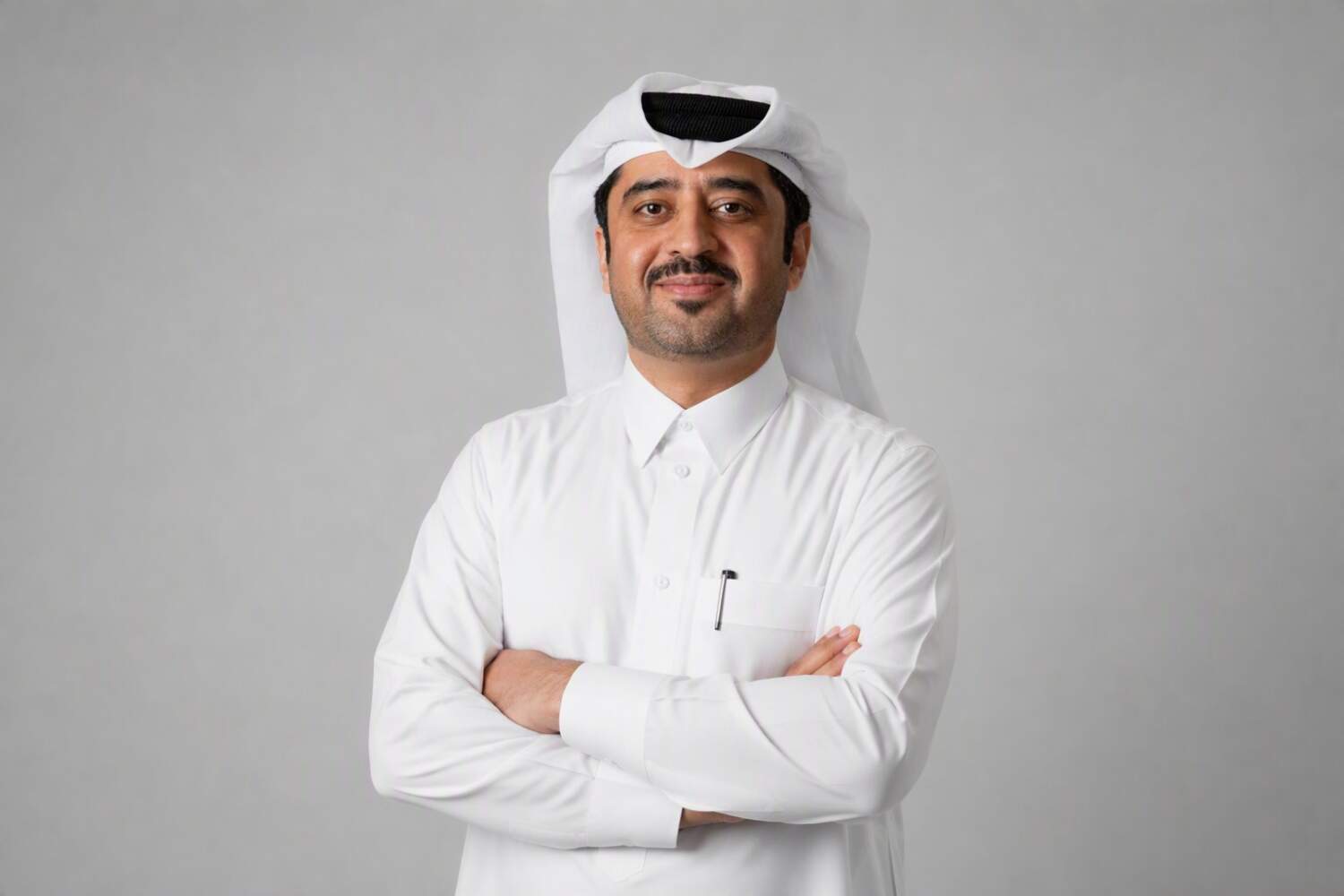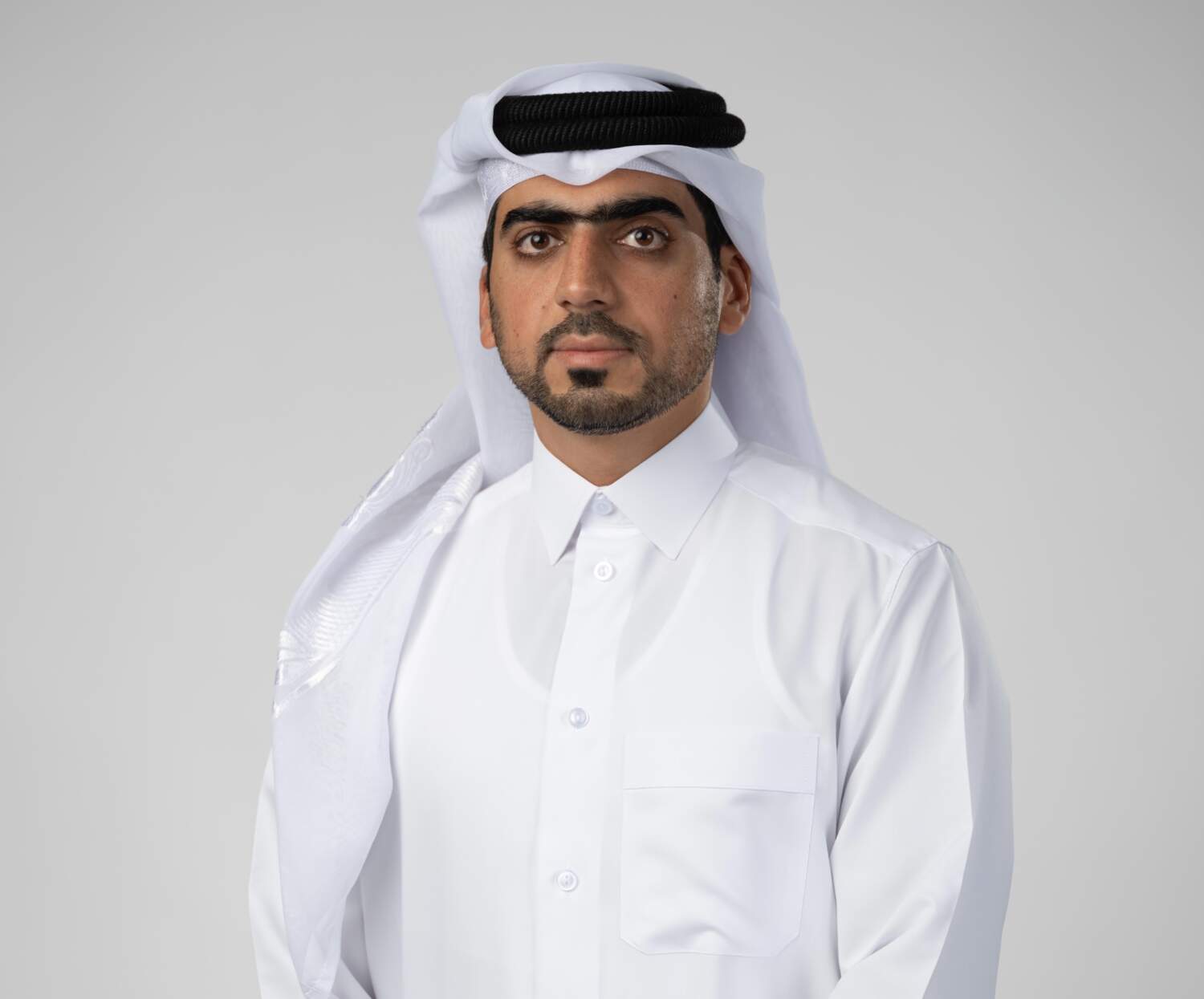
Ibrahim Abdulrahman Al-Janahi, Director of the Development Operations Department at Qatar Charity, said that the organization implemented about 17,000 development projects in more than 35 countries around the world, with a total value of more than QAR 367 million, between the start of November 2025 and the end of September 2026. The interventions covered water and sanitation, economic empowerment, education and culture, health, social housing, food security and social care, as well as local development projects, mosques and multi-service centres.
Qatar Charity Development Projects in Figures
From the start of November 2025 to the end of September 2026
Projects implemented
TotalProjectsAbout 17,000
- Countries
- More than 35
- Total value
- More than QAR 367 million
- Delivery
- Field offices and local and international partners
Source: Development Operations Department, Qatar Charity, in an interview with Al Sharq.
In an interview with Al Sharq, Al-Janahi said these projects were carried out through the organisation’s field offices and in cooperation with local and international partners. Most interventions are delivered through the offices abroad, while partnerships make it possible to reach communities in countries where Qatar Charity has no field office.
He explained that projects are selected based on assessments of actual needs on the ground and their alignment with the development plans of the beneficiary countries and Qatar Charity’s strategy. This directs resources to the sectors with the greatest needs and helps achieve development outcomes suited to the circumstances of each community.
Water and Sanitation Lead Qatar Charity Development Projects
Al-Janahi said water and sanitation lead the organisation’s interventions. According to data from the Development Operations Department, the sector accounted for more than 58% of projects, with more than 9,900 projects, while economic empowerment represented about 13.9% of all projects implemented.
Water and sanitation account for more than 58% of our development projects, with more than 9,900 projects.
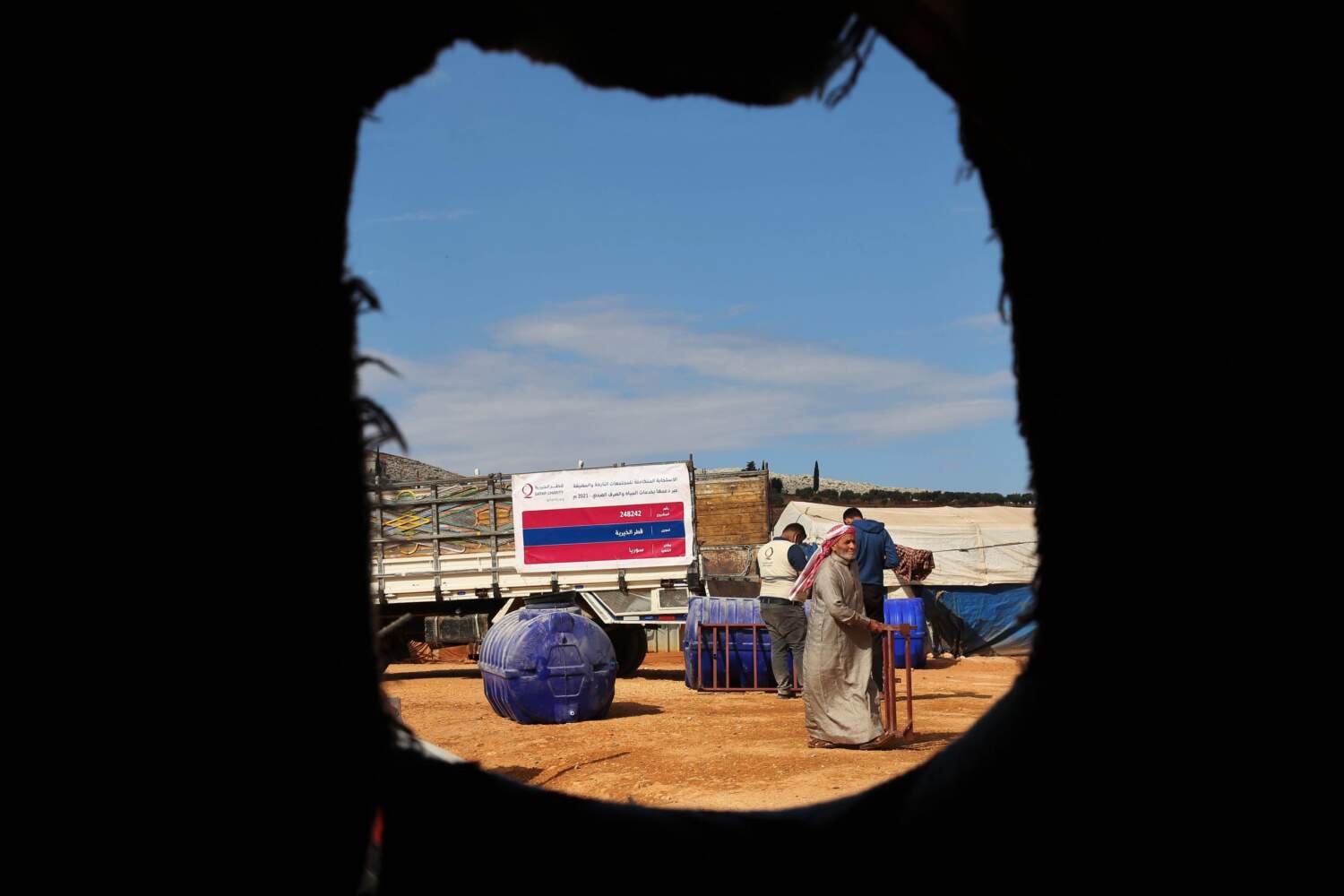
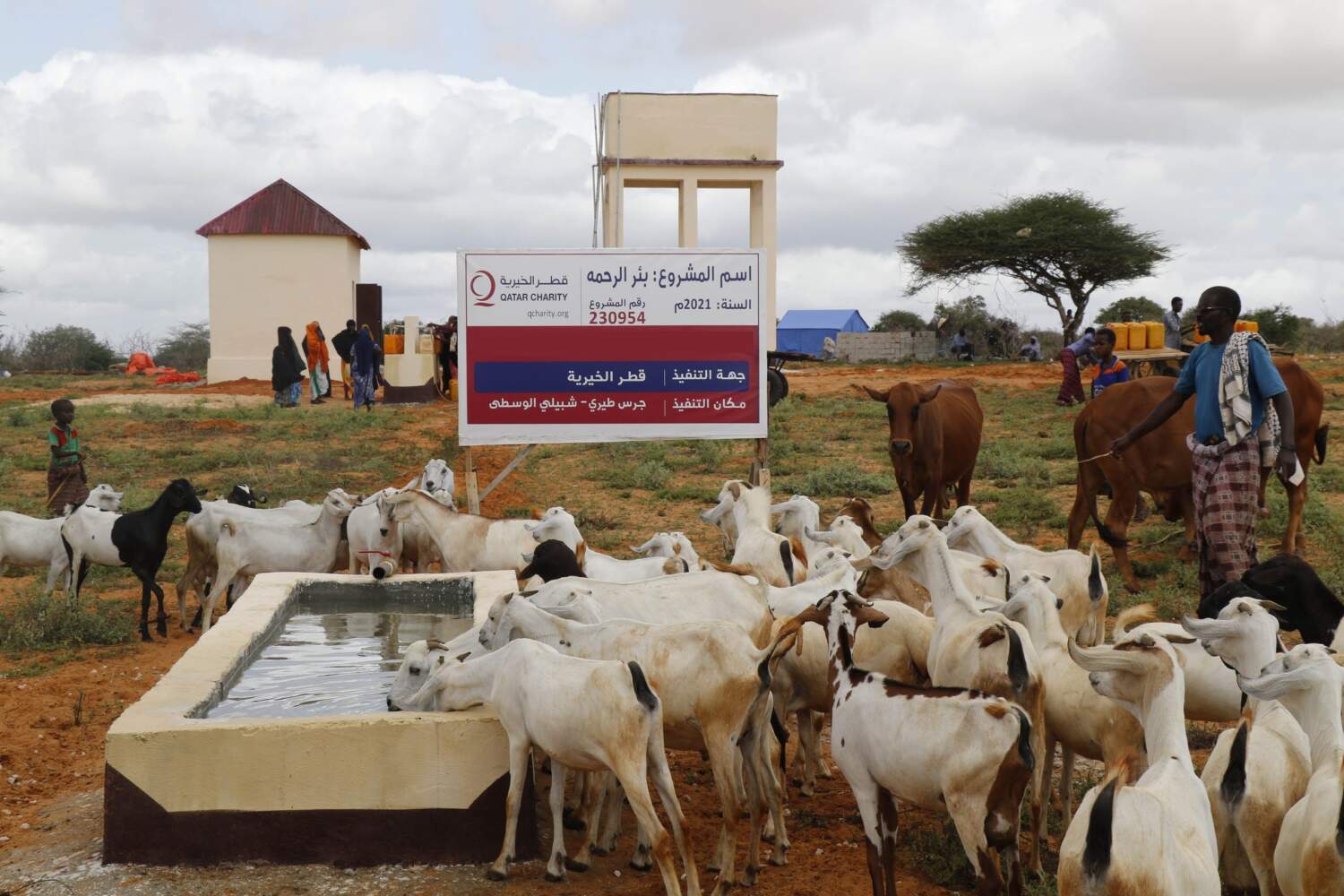
He added that water projects include digging shallow and artesian wells, extending water networks and supplying pumps, as well as desalination projects. The value of projects implemented in this sector exceeded QAR 88 million.
Water and Sanitation Lead the Sectors
Share of the two largest sectors in the projects implemented
Water and sanitation
SectorsShare of projectsMore than 58%
- Projects
- More than 9,900
- Value
- More than QAR 88 million
- Economic empowerment
- About 13.9% of projects
Source: Development Operations Department, Qatar Charity, in an interview with Al Sharq.
In recent years, he said, Qatar Charity has expanded the use of solar energy to run many of its water projects, especially wells, to provide suitable operating solutions. Climate and local conditions are taken into account, since the technology does not suit every environment to the same degree.
Development interventions are spread across a number of countries in Africa, Asia, Eastern Europe and the Balkans. Besides water projects, they include economic empowerment, housing, education and health programmes, in line with local needs and the development priorities of each target country.
Fast-Track Projects Speed Up Delivery
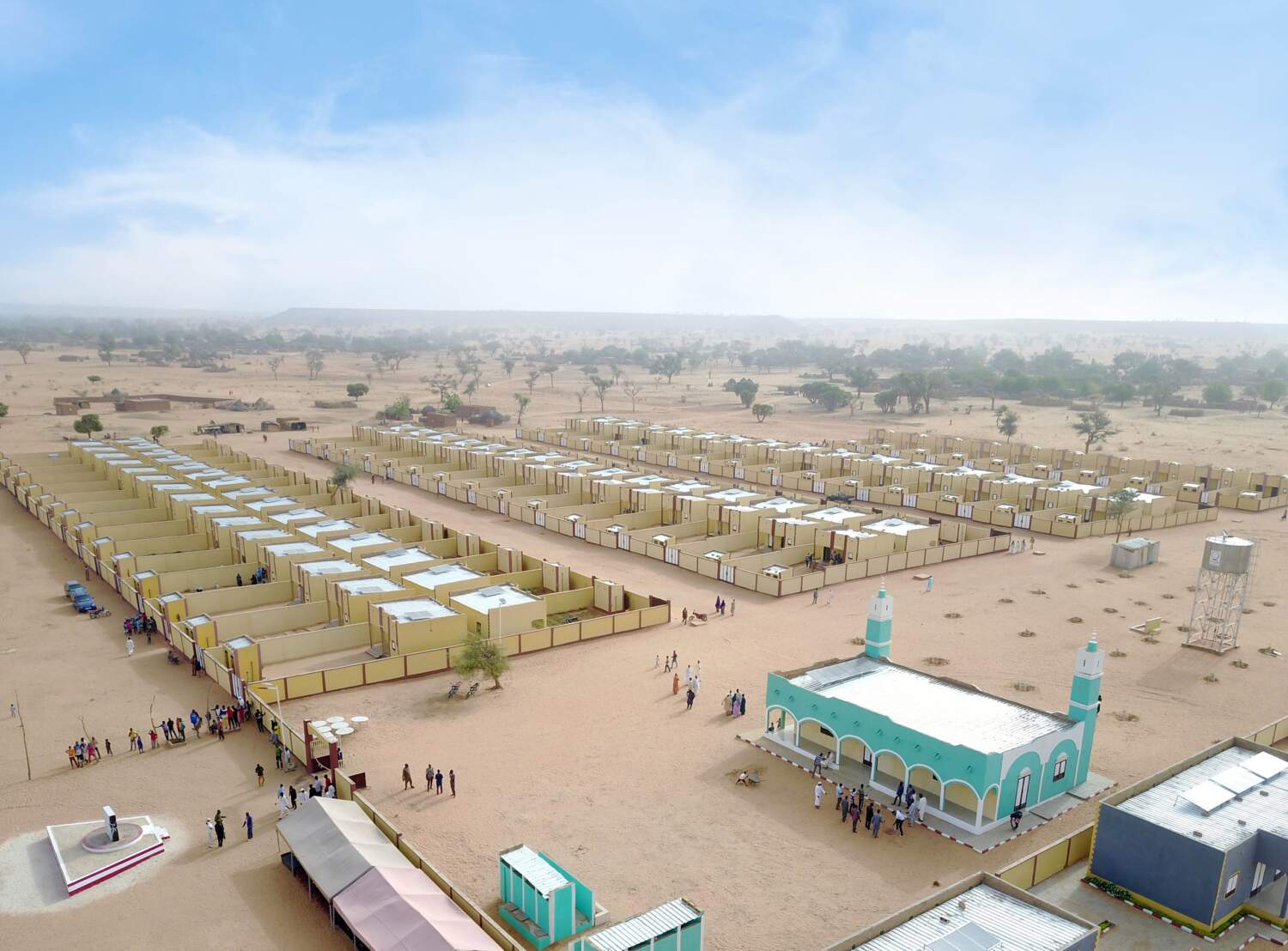
Al-Janahi revealed that a fast-track projects model has been applied this year to shorten the time between securing funding and handing the project over to beneficiaries, without affecting the nature of the project or its implementation and sustainability standards.
The fast-track model shortens the time between securing funding and handing the project over to beneficiaries, without affecting its implementation and sustainability standards.
The idea, he explained, is to complete a large part of the administrative procedures and obtain the required permits in advance, along with preparing the land, contracting with builders and arranging purchases. Field implementation then starts as soon as funding is available, instead of waiting until after the donation to complete these procedures.
He said the model shortens the time needed to complete and deliver projects while keeping their development nature, whether they involve building homes or mosques or carrying out economic empowerment projects. Applying it depends on Qatar Charity’s ability to complete the administrative and operational requirements in the target countries.
Differences in legislation, administrative procedures and infrastructure from one country to another require implementation methods to be adapted to local conditions, so that projects are completed quickly without compromising the requirements for carrying them out.
Financial Oversight at Every Stage of Implementation
Al-Janahi stressed that Qatar Charity gives great importance to financial and administrative oversight, to make sure donors’ money goes to its intended purpose and that projects are carried out within approved budgets.
Each project has a set budget with clearly defined spending items, approved before the project is presented to donors for funding. Qatar Charity has introduced an electronic financial control system to track spending requests from the field and approve them at headquarters.
Each project has a set budget with clear spending items, approved before it is offered for donation.
Spending is approved centrally, he said, ensuring that expenses match the approved budgets and items and strengthens governance and transparency in managing the financial resources of development projects.
Follow-up is not limited to finance but covers every stage of implementation. Donors receive documentary reports with photos and progress updates, from contracting and checking the land and foundations, through construction and finishing, to final handover.
Field reports are reviewed and approved by the relevant department, which strengthens Qatar Charity’s ability to follow implementation and confirm that each project has reached the stage set out in the approved plan.
Field Visits to Measure Impact
On monitoring projects on the ground, Al-Janahi said Qatar Charity relies on its network of field offices, as well as regular visits by department teams during and after each project.
These visits check the progress of implementation, measure the actual impact of projects and help the team understand the beneficiary communities and their needs, which helps develop future intervention models.
The presence of national staff in a number of field offices, alongside other Qatar Charity staff, helps strengthen communication with local authorities, ease procedures and build the experience needed to design projects that suit each country.
Because needs, climate and infrastructure differ from country to country, he said, one model cannot be applied everywhere. Each project must be studied according to its requirements, feasibility and expected results.
Health Interventions in 19 Countries
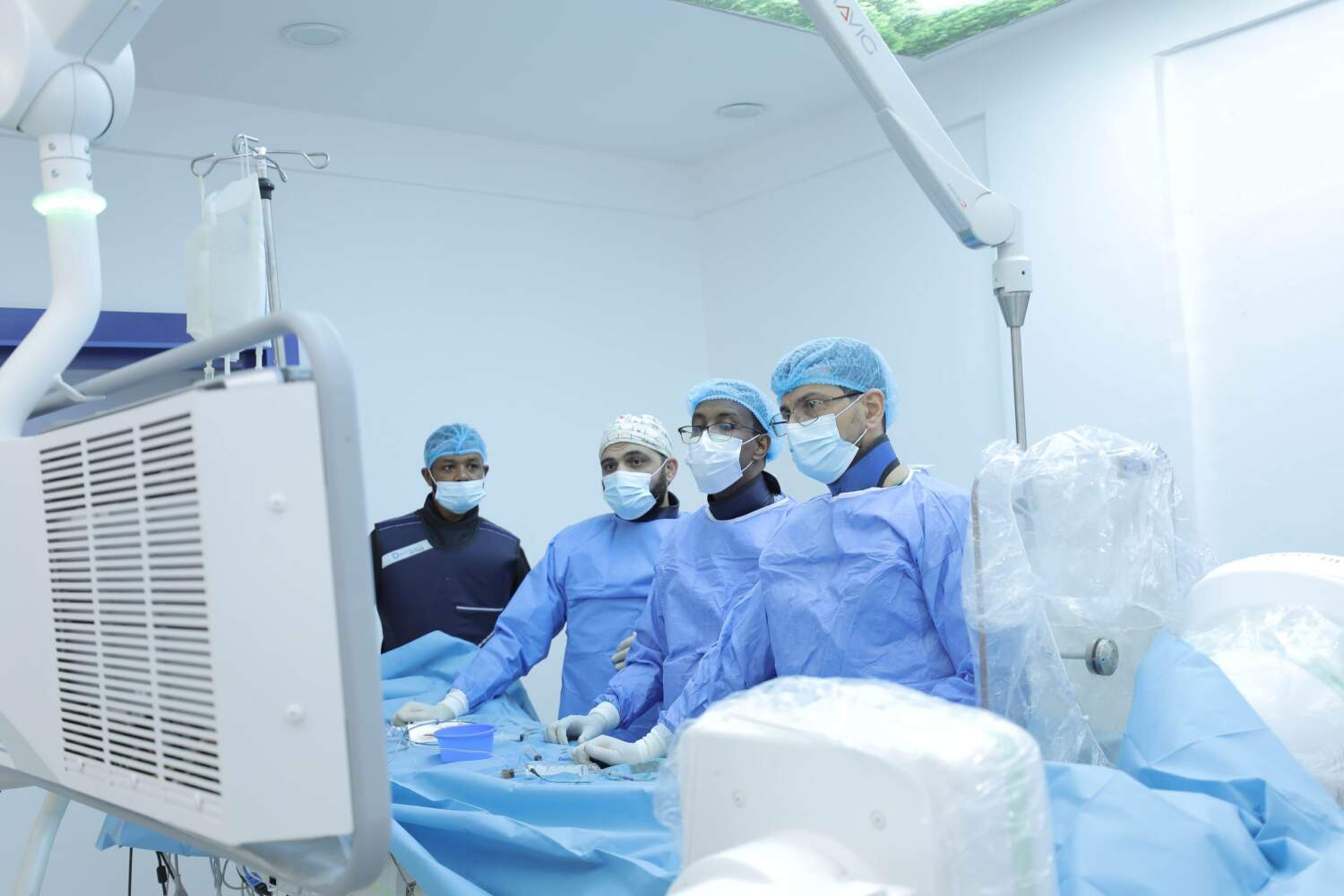
On health, Al-Janahi said the Development Operations Department oversees a range of medical campaigns and treatment programmes for children, older people and mothers. They include surgery for heart defects in children, cataract surgery, cochlear implants with hearing and auditory rehabilitation for children, open-heart surgery for older people, malnutrition programmes for pregnant women and infants, and treatment of congenital conditions such as cleft lip.
He explained that the Dafaat Balaa campaign, launched by Qatar Charity through the 27th Night Challenge during Ramadan 2026, led to health initiatives and interventions in 19 countries worth more than QAR 22 million. Operations and health programmes are carried out according to the needs of the target communities and the medical services available there.
As an example, Qatar Charity carried out 200 cataract operations during a field visit to Tunisia, while 250 operations of the same kind were performed in Mauritania, along with 12 cochlear implants for children.
Health Interventions in Figures
Initiatives of the Dafaat Balaa campaign, Ramadan 2026
Medical campaigns
HealthCountries19
- Value
- More than QAR 22 million
- Tunisia
- 200 cataract operations
- Mauritania
- 250 cataract operations
- Mauritania, children
- 12 cochlear implants
Source: Development Operations Department, Qatar Charity, in an interview with Al Sharq.
Cochlear implant programmes do not stop at surgery, he said. They include hearing and cognitive rehabilitation for children, helping them benefit from treatment and improve their ability to communicate.
The malnutrition programme lasts between six months and a year, as it relies on an integrated intervention to improve the health of mothers and children and to monitor beneficiaries’ progress as they recover from acute malnutrition.
Adapting Projects to Local Needs
Al-Janahi said the main challenges in carrying out development projects are the different needs of each country, varying implementation costs, infrastructure and climate, and differences in administrative procedures and permit requirements.
Some donors may want the same model carried out in more than one country, he explained, but a project that succeeds in one setting is not necessarily suitable for another. The necessary studies must be made and the project adapted to actual needs.
A project that succeeds in one setting is not necessarily suitable for another, so we study each project according to actual needs.
Coordination with ministries and relevant authorities in the beneficiary countries is a core part of the needs assessment. It helps set priorities and ease implementation, and Qatar Charity makes sure each project can be carried out before offering it for donation.
He affirmed that Qatar Charity seeks to widen its development interventions and reach target communities through field offices or local and international partners, while ensuring the necessary implementation and oversight capacity, so that donations reach those entitled to them and achieve the intended impact.
Well-Deserved Thanks and Lasting Impact
Al-Janahi concluded by thanking benevolent people in Qatar and donors for their continued trust in Qatar Charity and their support for development projects, which help improve the lives of beneficiaries and create lasting impact around the world. He asked Allah to reward them for what they give.
The interview was published in Al Sharq newspaper.