Overall, Qatar Charity’s climate crises response combines emergency relief with resilience building for displaced families in Chad, Somalia, and Djibouti.
In a world of accelerating crises and intertwined challenges, the suffering of internally displaced persons (IDPs) and refugees is no longer limited to the repercussions of armed conflicts alone. Instead, it is compounded under the weight of severe climate phenomena, which increase their vulnerability and widen humanitarian need gaps.
Accordingly, to help alleviate the multiplied suffering of these vulnerable groups, Qatar Charity has implemented a range of humanitarian interventions and projects in countries affected by these overlapping crises. The following highlights key outcomes of its efforts in Chad, Somalia, and Djibouti over recent years.
Climate Crises Response in Short
- First, 22 projects in Chad (2024-2025) cost over QAR 22.7 million and benefited more than 182,115 people.
- Next, 79 projects in Somalia (2023-2025) cost over QAR 37 million and reached more than 1.09 million beneficiaries.
- Also, projects in Djibouti (2023-2025) benefited more than 53,000 people, including refugees, IDPs, and host communities.
- The interventions span shelter, food security, health and nutrition, and water, sanitation, and hygiene (WASH).
- National and international partners, including UNHCR, WFP, UNICEF, and IOM, helped ensure high-quality implementation.
Climate Crises Response in Chad: A Frontline of Complex Crises
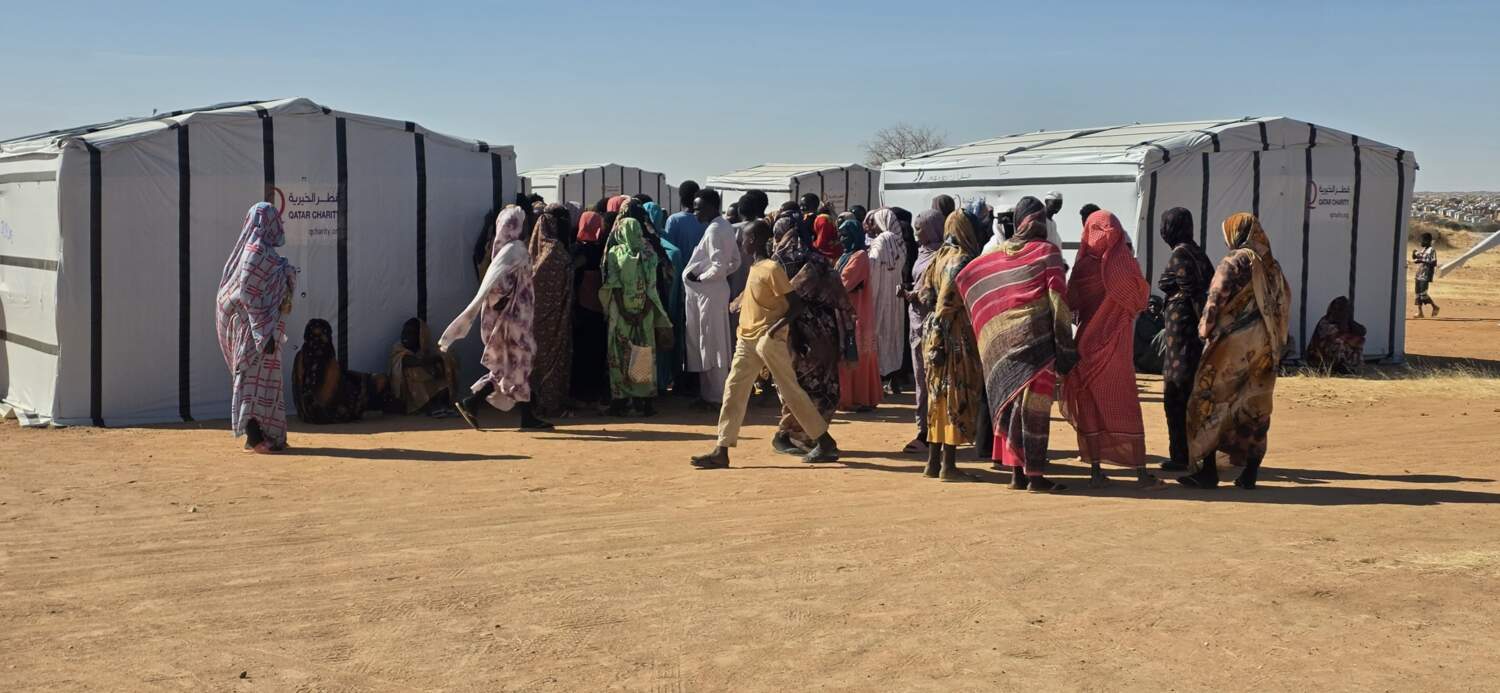
Chad hosts hundreds of thousands of refugees, particularly from Sudan, amid ongoing inflows since the outbreak of the recent crisis. These populations are concentrated in regions already facing significant environmental fragility. In these regions, recurring droughts and seasonal floods create high-risk conditions in displacement camps, often lacking even the most basic resilience mechanisms.
This reality creates a difficult equation: resource-constrained host communities, highly vulnerable refugee populations, and climate shocks that affect everyone alike. There is an urgent need for fast, integrated humanitarian responses.
Integrated Humanitarian Response
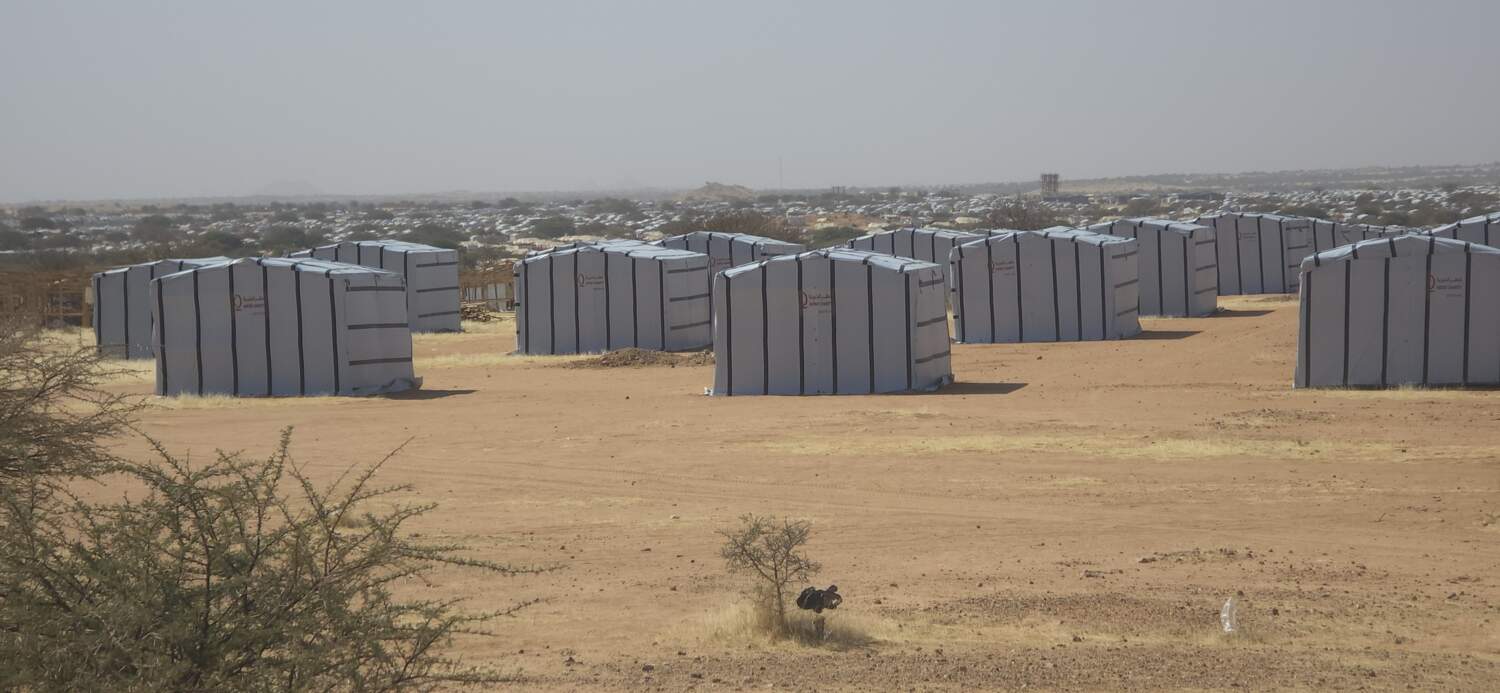
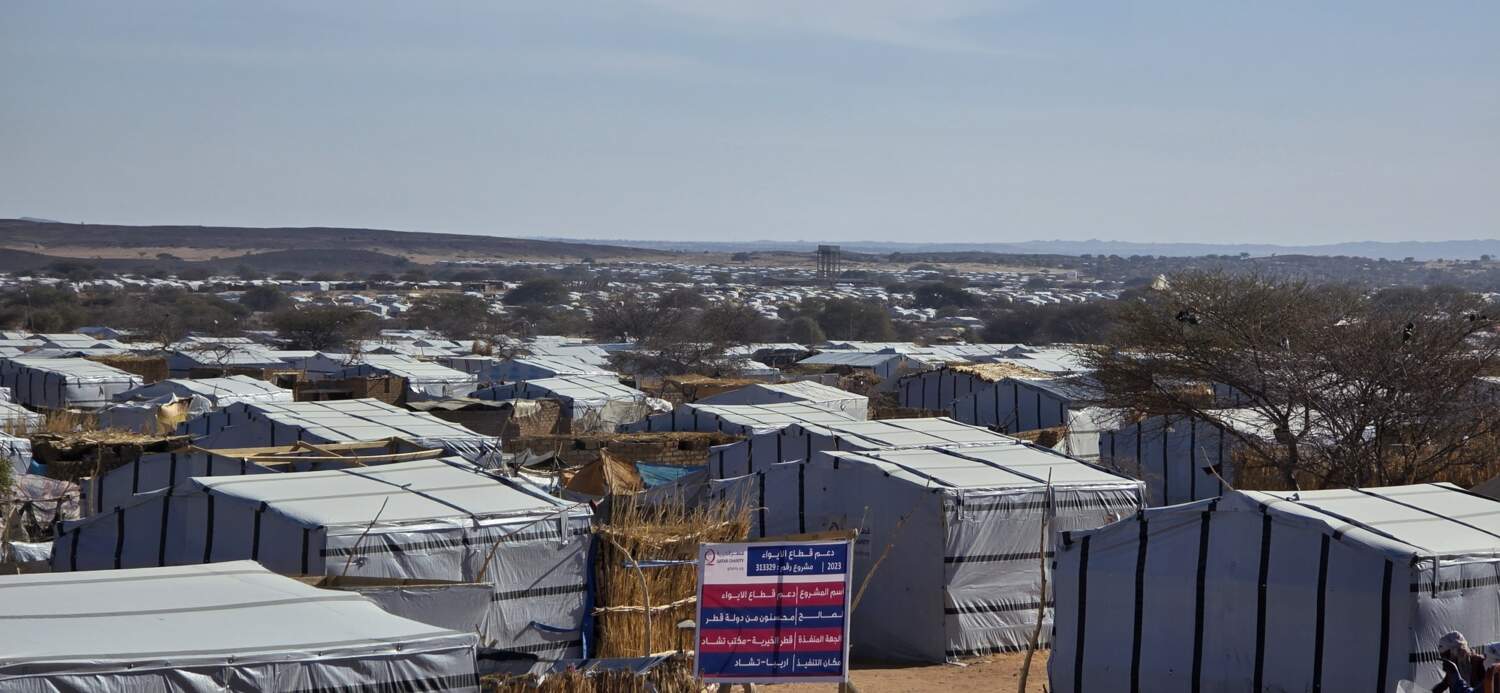
In response to these challenges, Qatar Charity implemented an integrated package of humanitarian projects during 2024 and 2025. These interventions aimed to mitigate the dual impacts of displacement and severe climate phenomena, utilizing a comprehensive approach that bridges emergency relief with resilience building.
- Total projects: 22 (implemented and ongoing)
- Total cost: Over QAR 22.7 million
- Beneficiaries: More than 182,115 refugees, IDPs, and host community members
Furthermore, these interventions spanned key sectors:
- Shelter and Non-Food Items (NFIs): 5 projects valued at over QAR 13.2 million, providing safe shelter to protect families from harsh weather fluctuations
- Food Security: 12 projects worth over QAR 6.6 million, delivering food assistance to address hunger during droughts and floods
- Health and Nutrition: 4 projects with a total value of QAR 1.85 million, implementing medical campaigns and offering treatment for malnutrition, targeting the most vulnerable, particularly women and children
- Water, Sanitation, and Hygiene (WASH): Projects to provide safe drinking water and reduce waterborne diseases, especially during flood seasons
Also, Qatar Charity continues to expand its interventions to include more sustainable, climate-adaptive projects that strengthen livelihoods and reduce long-term dependency on aid.
Partnerships and Coordination
Qatar Charity implemented its interventions in Chad through close partnerships with national and international stakeholders, including:
- The National Commission for the Reception and Reintegration of Refugees and Returnees (CNARR)
- The United Nations High Commissioner for Refugees (UNHCR)
- Local authorities
Moreover, this coordination ensured high-quality implementation, alignment with international humanitarian standards, and enhanced complementarity among stakeholders.
Climate Crises Response in Somalia: A Double Burden of Crisis
Between 2023 and 2025, the humanitarian situation in Somalia was characterized by a “dual crisis” of exceptional severity. The overlap between armed conflict and climate extremes severely disrupted livelihoods, as floods destroyed what had already been weakened by prolonged drought.
This situation triggered mass displacement from rural areas to urban peripheries, while humanitarian appeals surged to aid millions of affected people. In response, Qatar Charity played a key role as a strategic humanitarian partner, implementing interventions that effectively addressed urgent needs.
Reaching Over One Million People in Three Years
Qatar Charity responded with 79 projects implemented between 2023 and 2025, with a total cost exceeding QAR 37 million, reaching more than 1.09 million beneficiaries.
Interventions were carried out across key sectors:
- Food Security (74.8% of budget): with over QAR 27.9 million, the interventions included food basket distribution, flexible cash assistance, and innovative initiatives such as operating field bakeries in Baidoa, Southwest State of Somalia
- Health and Nutrition (13.1%): Around QAR 4.9 million for life-saving interventions, including the establishment of Abudwaak Hospital in Galmudug State. It is a fully integrated facility with emergency, surgical, and maternity services, contributing to a 71% improvement in child acute malnutrition indicators
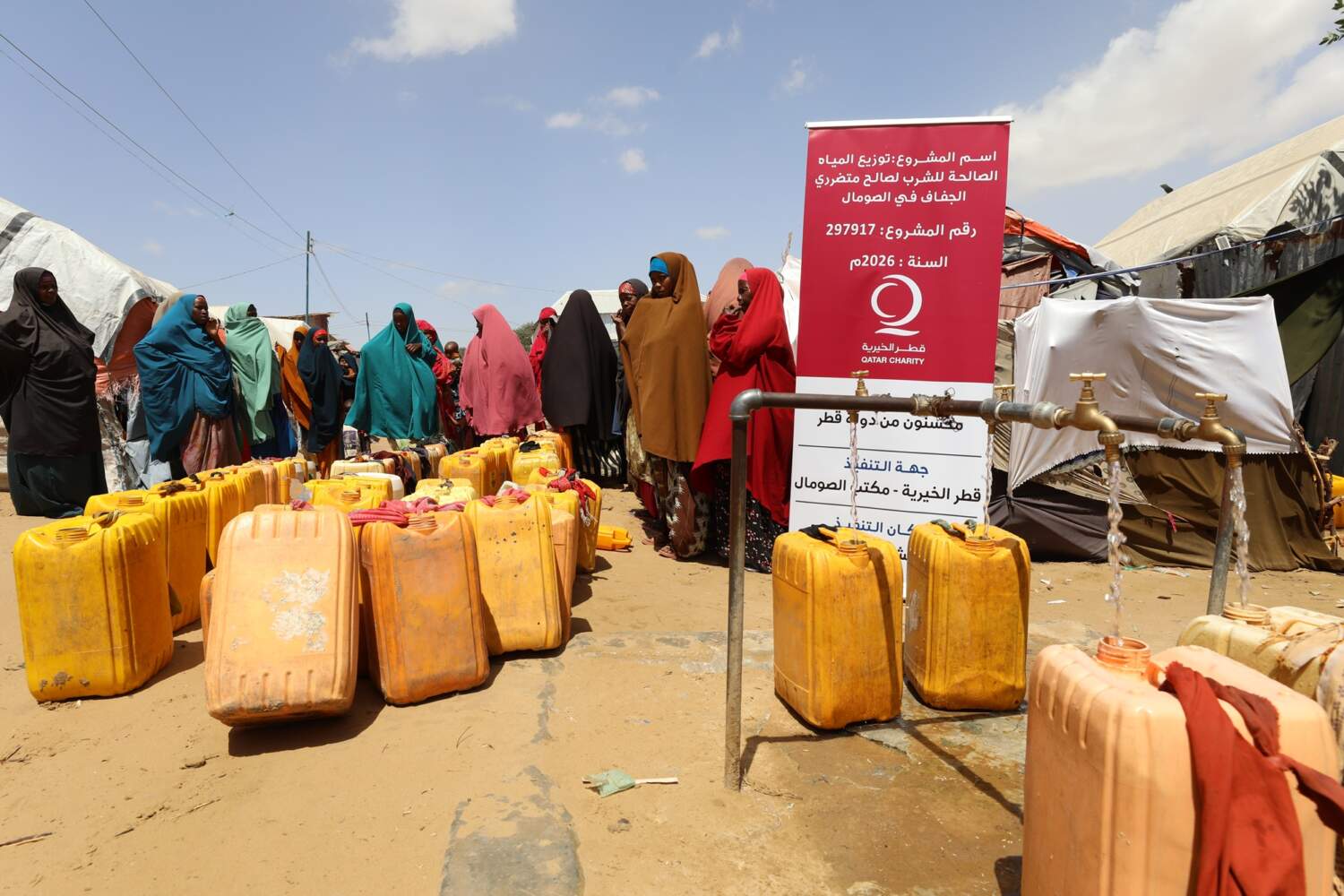
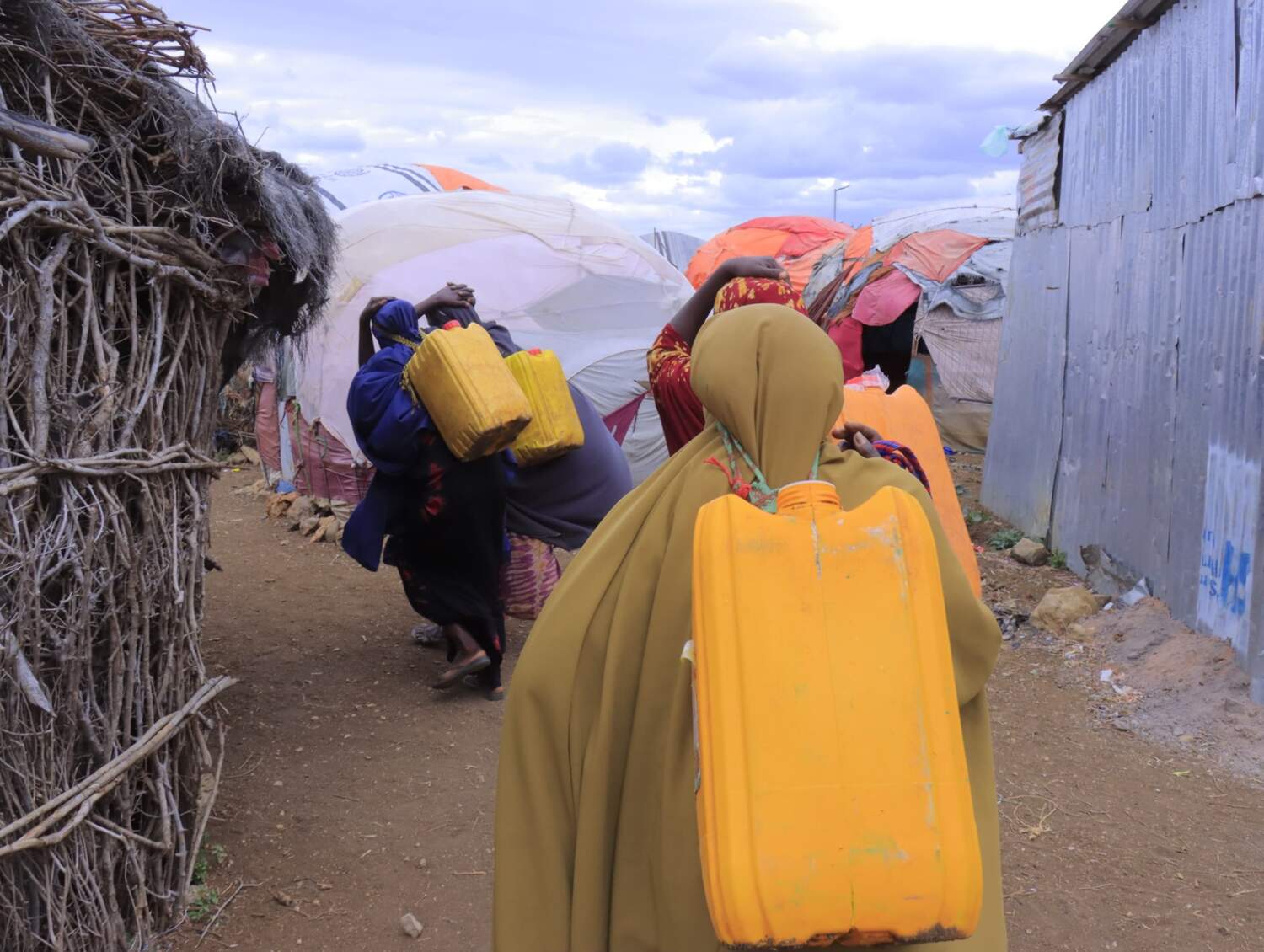
- WASH (7.5%): Approximately QAR 2.8 million for drilling well, trucking water to IDP camps in Mogadishu and Bardhere (Jubaland), and distributing 19,200 water filters to prevent cholera and waterborne diseases
- Shelter and Livelihoods (4.6%): Focused on dignified housing for displaced populations, with the Barwaaqo Model Village in Baidoa serving as a leading example of the shift from emergency relief to sustainable development. It features 67 housing units and essential service facilities.
Partnerships and International Cooperation
Qatar Charity’s partnerships in Somalia also represent an integrated model of sustainable humanitarian action.
At the international level
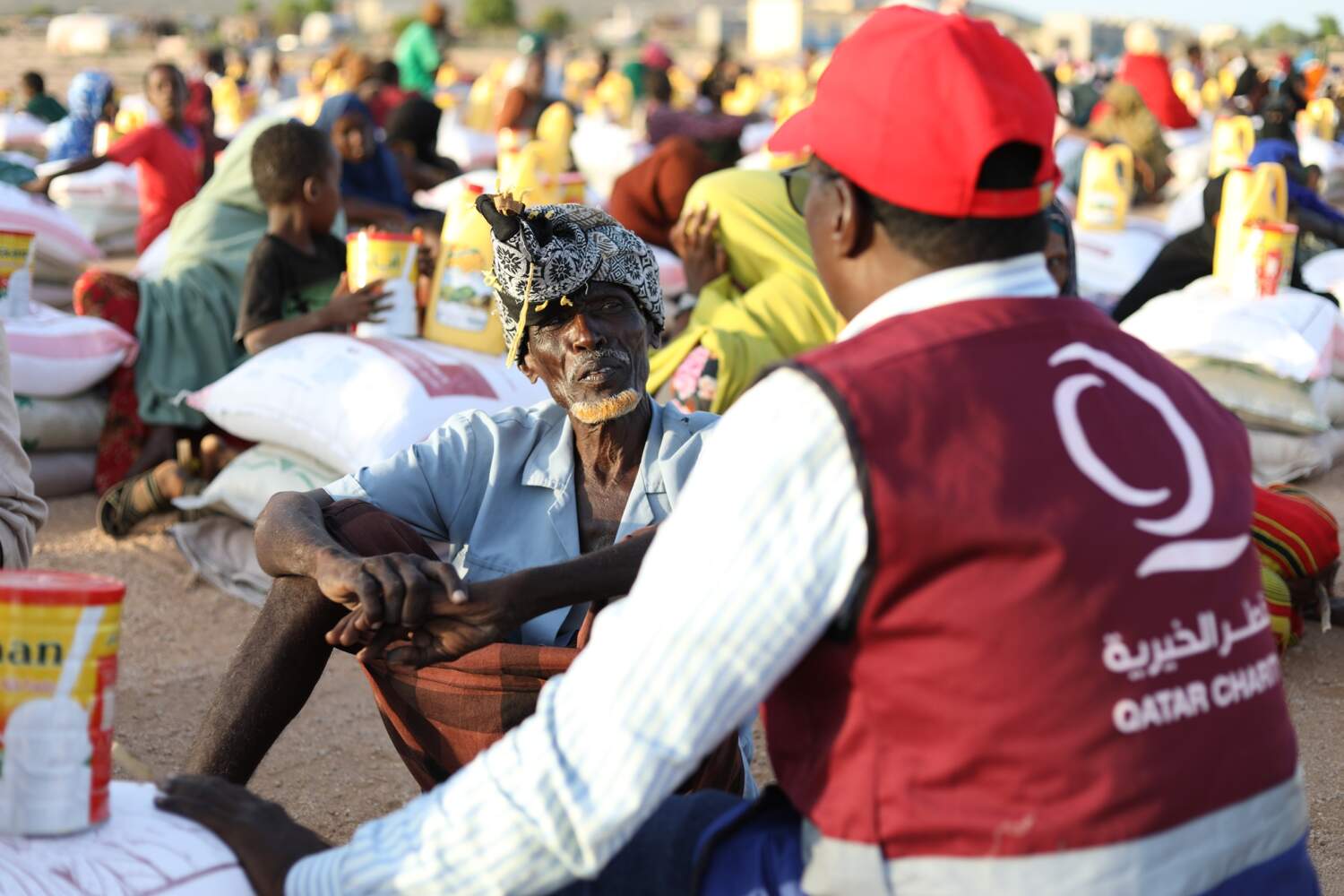
- Collaboration with the World Food Programme (WFP) in 2024-2025 for food security and emergency response
- Partnership with the United Nations Children’s Fund (UNICEF) in 2024 through the UPSHIFT programme to support youth economic empowerment
At the national level
- Cooperation with the Somali Disaster Management Agency (SoDMA) in 2024 to strengthen institutional capacity and disaster preparedness
- Close coordination with the Ministry of Health, contributing to improved healthcare services
Overall, the main figures reported for the three countries can be read side by side:
| Indicator | Figure |
|---|---|
| Chad: projects, implemented and ongoing (2024-2025) | 22 |
| Chad: total cost | Over QAR 22.7 million |
| Chad: beneficiaries | More than 182,115 refugees, IDPs, and host community members |
| Somalia: projects (2023-2025) | 79 |
| Somalia: total cost | Exceeding QAR 37 million |
| Somalia: beneficiaries | More than 1.09 million |
| Djibouti: beneficiaries (2023-2025) | More than 53,000 people, including refugees, IDPs, and host communities |
Climate Crises Response in Djibouti: Limited Resources and Fragile Infrastructure
In the Republic of Djibouti, the intersection of conflict and climate challenges is also clearly evident. The country hosts approximately 30,000 refugees, alongside increasing numbers of internally displaced people affected by climate-related disasters such as droughts and floods, placing significant strain on limited resources and fragile infrastructure.
Furthermore, host areas face harsh environmental conditions, with recurring droughts impacting water availability and livelihoods, alongside seasonal floods that destroy fragile homes and displace families.
This creates a complex crisis: forced displacement, acute water scarcity, food insecurity, and weak health systems, requiring comprehensive humanitarian interventions to transition from traditional relief to sustainable solutions.
Multi-Sectoral Interventions
Between 2023 and 2025, Qatar Charity implemented a package of humanitarian and development projects benefiting more than 53,000 people, including refugees, IDPs, and host communities. These interventions include:
- Water, Sanitation, and Hygiene (WASH): Drilling shallow and deep wells, benefiting approximately 35,000 people
- Food Security: Distribution of food baskets to around 10,000 beneficiaries
- Shelter and Non-Food Items (NFIs): Distribution of tents, cooking utensils, solar-powered lighting systems, and water filters, benefiting approximately 8,000 people
Strategic Partnerships
Qatar Charity also ensured that its interventions were implemented within a strong partnership framework with national and international stakeholders, ensuring synergy and achieving sustainable impact.
Moreover, in this context, several key agreements were signed with:
- United Nations High Commissioner for Refugees (UNHCR)
- International Organization for Migration (IOM)
- Ministry of Decentralization
- Ministry of Social Affairs and Solidarity
- Ministry of Health
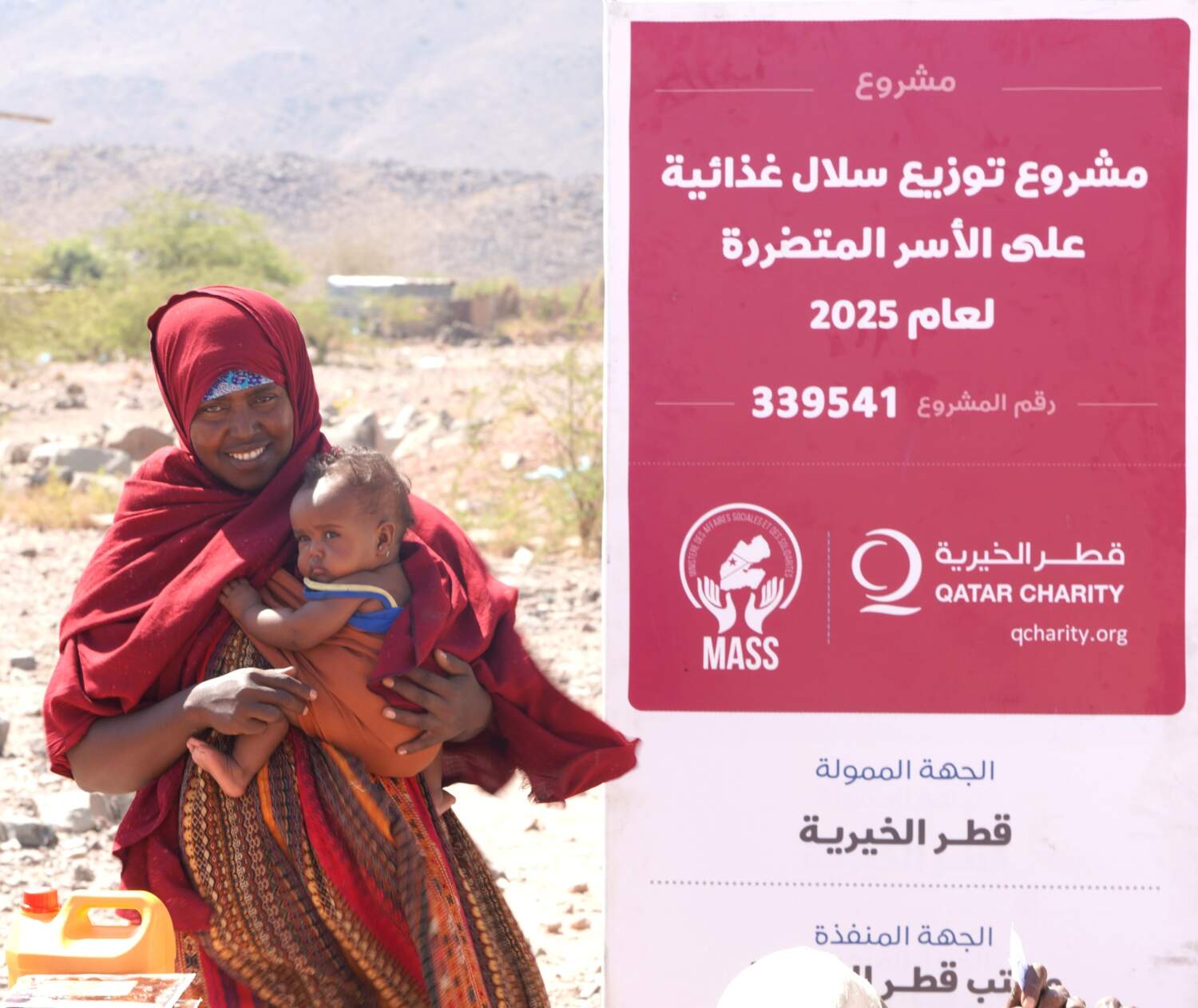
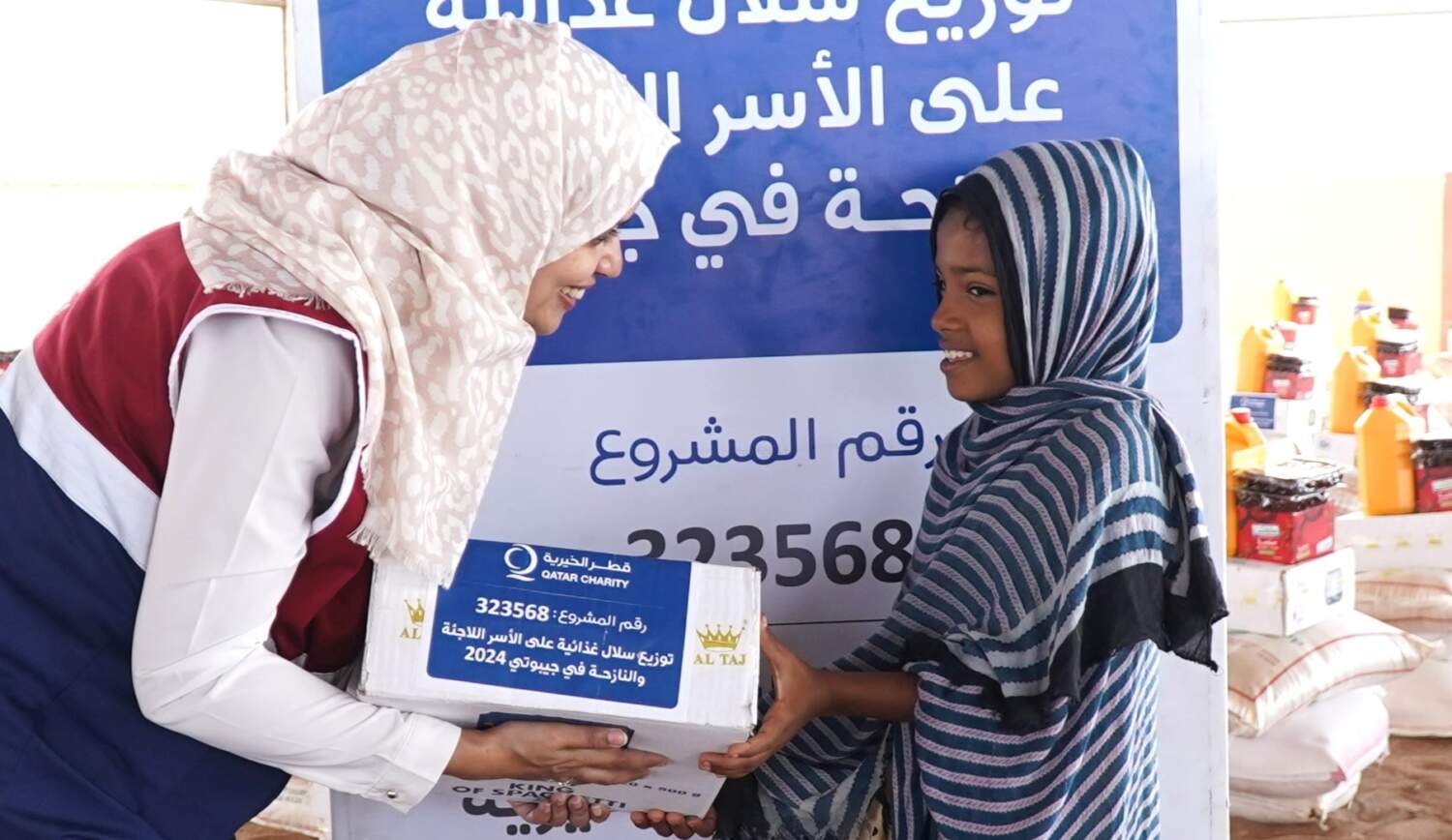

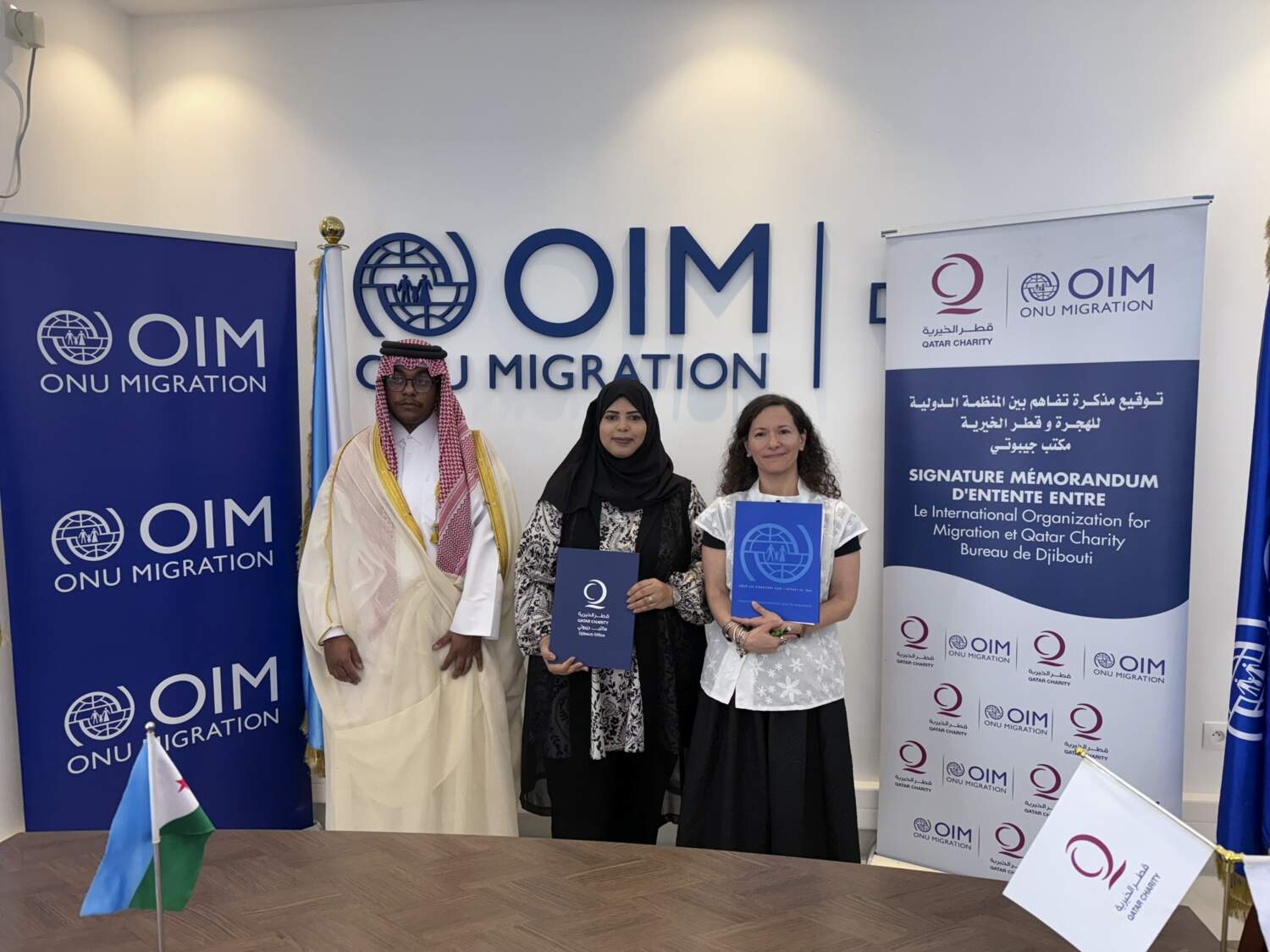
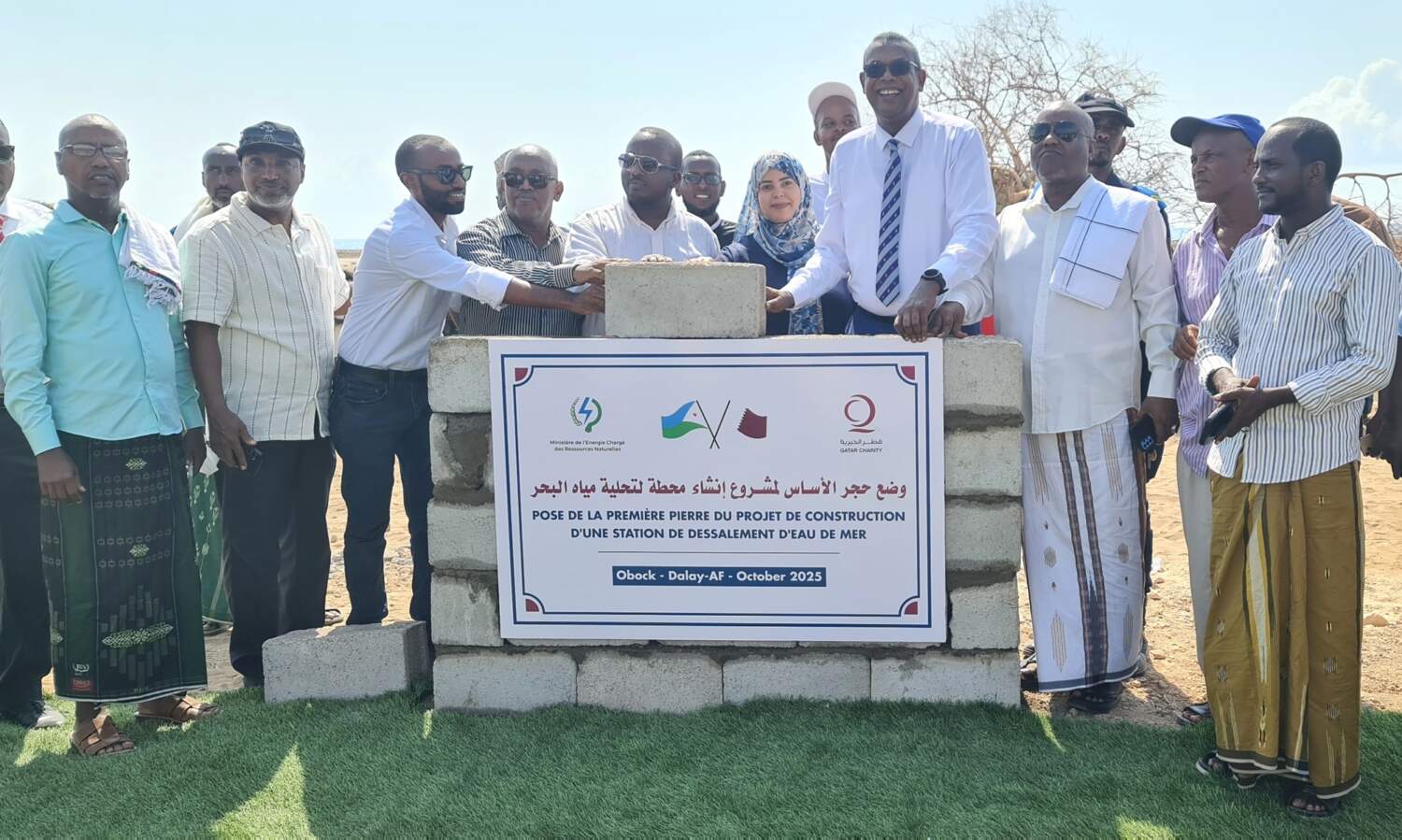
These agreements also focused on improving service quality for displaced populations, expanding access to water and healthcare, strengthening social protection programs, and developing infrastructure in host communities.
In addition, partners have affirmed that Qatar Charity’s interventions have made a tangible impact by improving living conditions, reducing water-related health risks, and strengthening community resilience in the face of ongoing crises.
Questions About Climate Crises Response
What does the climate crises response include?
Overall, Qatar Charity worked in Chad, Somalia, and Djibouti. In particular, its sectors were shelter and non-food items, food security, health and nutrition, and WASH. The aim was to bridge emergency relief with resilience building.
How many people did the climate crises response reach?
In Chad, projects reached more than 182,115 refugees, IDPs, and host community members. In Somalia, they reached more than 1.09 million beneficiaries. Projects in Djibouti benefited more than 53,000 people between 2023 and 2025.
Who are the partners in the climate crises response?
First, in Chad, the partners include CNARR, UNHCR, and local authorities. In Somalia, they include WFP, UNICEF, SoDMA, and the Ministry of Health. In Djibouti, Qatar Charity signed agreements with UNHCR, IOM, and three ministries.