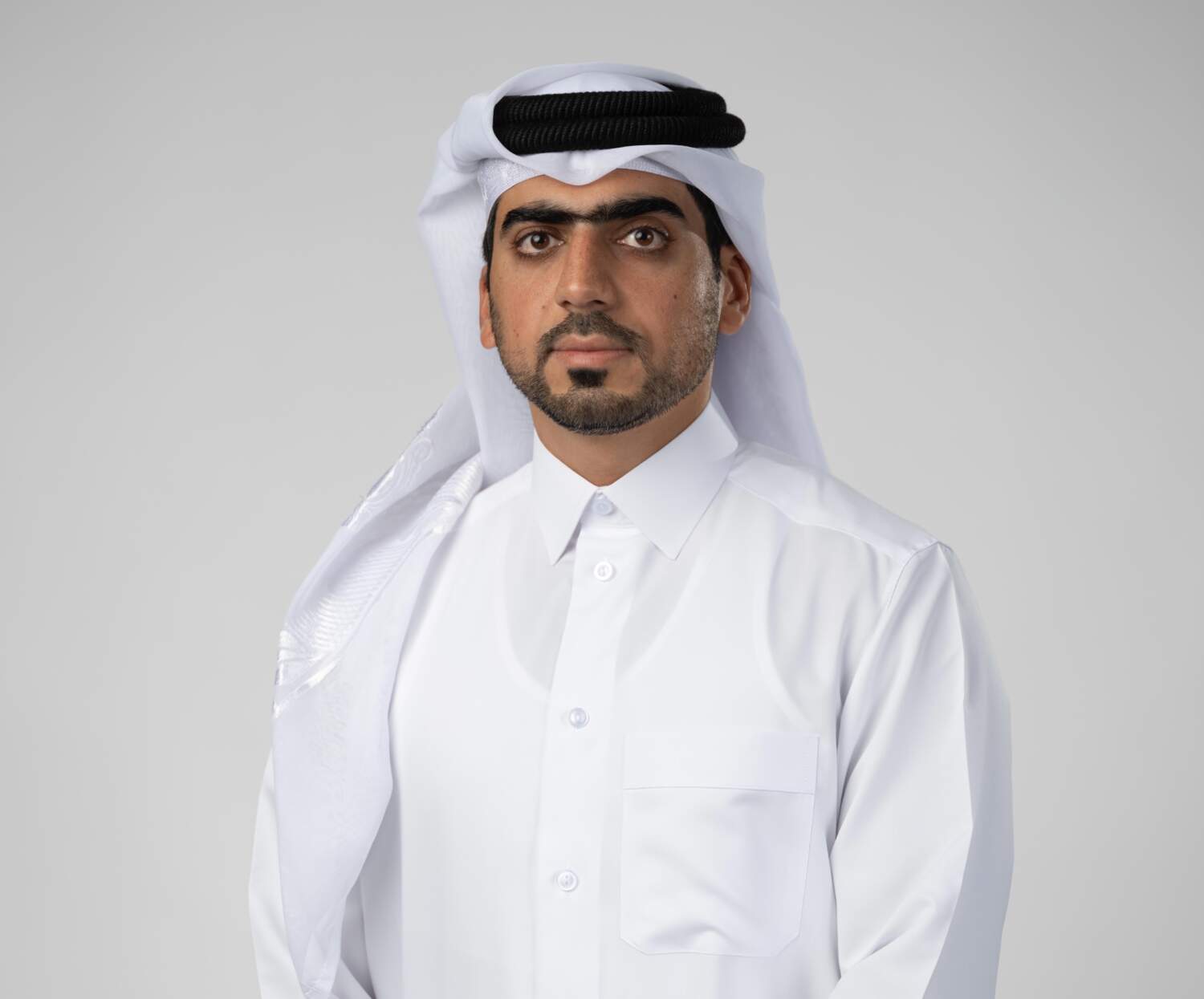
Dr. Dalal Aassouli, Assistant Professor of Islamic and Sustainable Finance at Hamad Bin Khalifa University, leads a research team exploring how artificial intelligence (AI) can enhance Qatar’s charitable, humanitarian and development sector. Funded by HBKU and the Qatar Research, Development and Innovation (QRDI) Council, and undertaken in cooperation with the Regulatory Authority for Charitable Activities (RACA), the project aims to develop recommendations to improve the performance of charities and non-profit organizations. At the time of the interview, these recommendations were expected by the end of 2025, supporting Qatar’s international leadership in charitable work and the innovation goals of Qatar National Vision 2030.
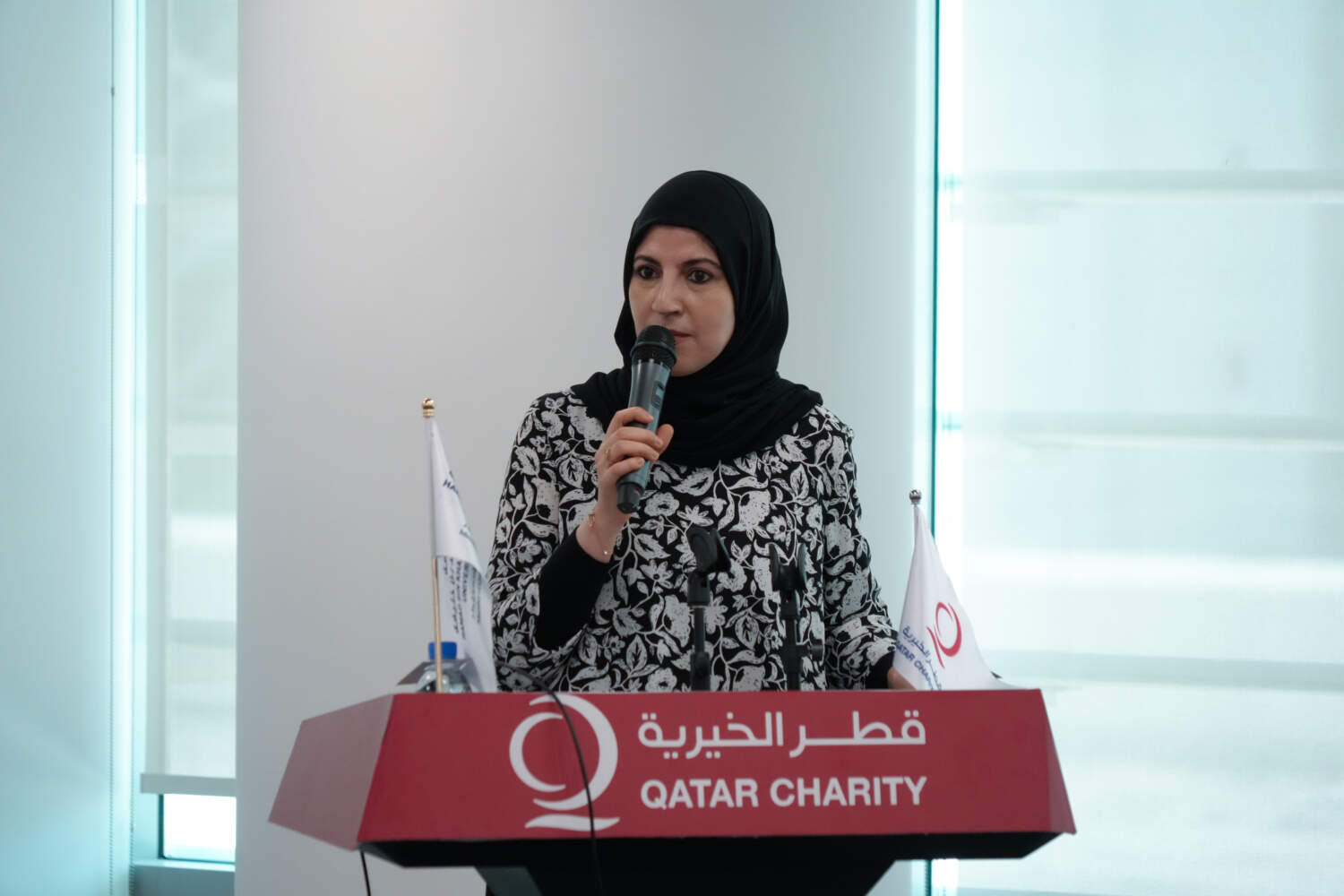
Ghiras spoke to Dr. Aassouli on the sidelines of “Empowering Charities and Non-Profits through Artificial Intelligence,” a workshop held in June 2025 with support from Qatar Charity, to discuss the project’s milestones and the potential benefits of AI for charitable organizations.
The Project’s Six Focus Areas
What are the project’s objectives and main areas of focus?
The project explores how AI can improve the efficiency of charities and non-governmental organizations (NGOs). Its objectives include enhancing operational efficiency and data analysis, developing more effective donor outreach strategies, and attracting a broader, more diverse donor base.
Funded by HBKU and the QRDI Council in cooperation with RACA, the project examines AI applications, including generative AI, across six areas: needs assessment, impact measurement, transparency, governance, resource mobilization and resource allocation.
Key Milestones
What progress has the project made, and what are the next steps?
Over the past few months, we have held several events to gather data and examine local and international case studies of AI applications.
“Empowering Charities and Non-Profits through Artificial Intelligence” was our second workshop with the charitable sector. It addressed AI in its broader sense, rather than generative AI alone, and engaged NGOs. Participants explored AI applications used by UN and humanitarian organizations and took part in interactive activities examining potential use scenarios.
The first workshop, held in May 2025 in cooperation with RACA, brought together local and international experts. It introduced participants to generative AI applications and provided hands-on opportunities to try the tools.
We are engaging closely with charities to develop a roadmap for AI adoption. Workshops, interviews and surveys help us understand their current use of AI, the tools they employ and their readiness to adopt new technologies. We will compare these findings with innovative international practices and develop recommendations on the legal and innovation-related aspects of integrating AI into Qatar’s charitable sector.
As an academic team, our role is to provide recommendations, not prescribe solutions. We are still gathering data and consulting charities and other stakeholders. We hope to complete this second phase during summer 2025, then move to a third phase of analysis and international comparison. Later in 2025, we plan to share the findings through public lectures and workshops with Qatari charities, coordinated with RACA. Each organization will decide which recommendations best suit its needs.
How could AI benefit Qatar’s charitable sector?
AI can reinforce Qatar’s role as a global leader in charitable and humanitarian work, particularly as conflicts and natural disasters intensify. It can help identify people in need, allocate resources more effectively, and measure the impact of humanitarian interventions and development projects carried out by Qatar and its organizations worldwide.
Advanced technology is no longer optional for the charitable and humanitarian sector. It can improve efficiency, encourage competition and help organizations solve operational challenges. Successful adoption, however, requires staff capacity building—one of our project’s objectives—and a governance framework that safeguards donor data and promotes transparency.
These efforts can strengthen Qatar’s international humanitarian and development standing, encourage innovation in line with Qatar National Vision 2030, and demonstrate the impact of charitable projects to attract more donors and funding partners.
What tools, systems and capabilities do charities need to integrate AI?
Organizations should begin by gradually incorporating AI into their strategy, prioritizing selected activities before expanding according to their needs. They should choose systems and tools that support those priorities and build relevant skills among leaders and staff. Partnerships with universities, research centers and specialist advisory organizations can help bridge capacity gaps.
Ethical Responsibility
How can charities balance AI’s effectiveness with the sensitivity of beneficiaries’ and donors’ personal data?
Governance is a major component of our project, including the ethical and responsible use of technology. We have invited experts in this field to share their experience and inform our work.
To what extent can algorithms be trusted to make humanitarian decisions with ethical implications?
Ethical considerations must be embedded in organizational strategies and supported by clear policies. Organizations should strengthen institutional awareness and the ethical responsibility of staff using these technologies, ensure they understand the relevant policies, and build their capacity to apply them.