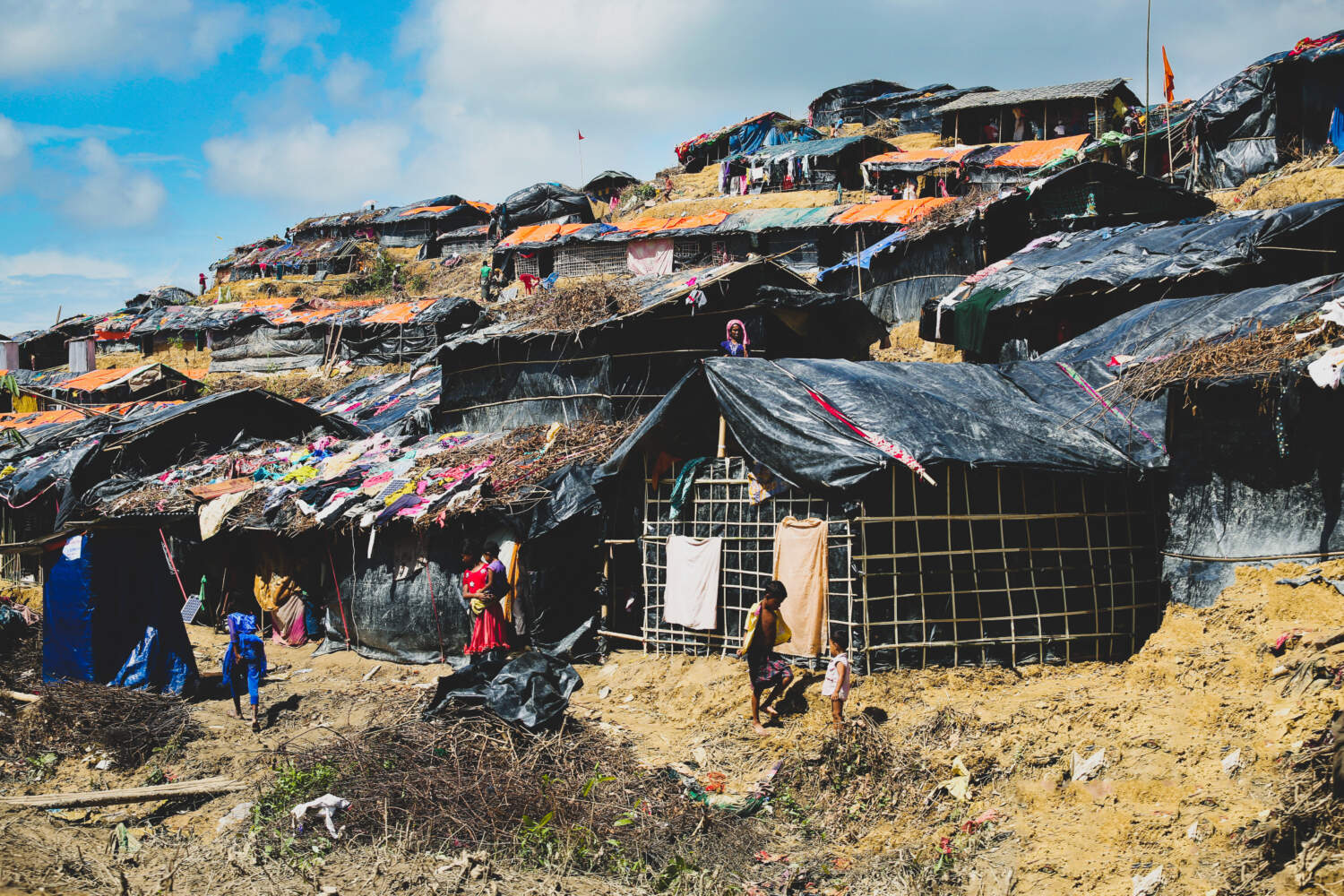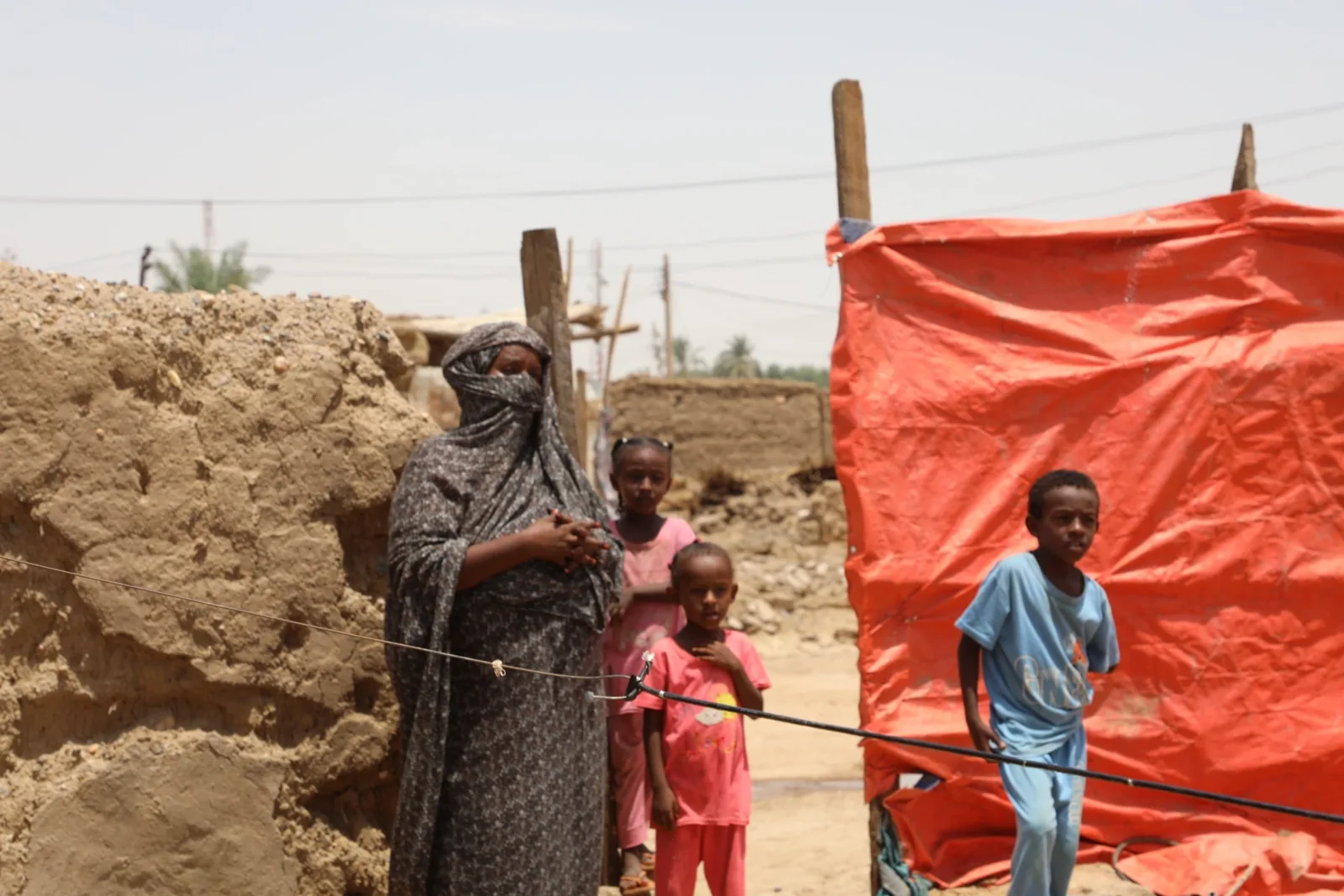
Acute hunger in Sudan is spreading as war tears food security apart: 755,000 people are in catastrophic conditions (IPC Phase 5), with a risk of famine in 14 areas, and some 25.6 million are in IPC Phase 3 or above. Ghiras magazine set out these figures in a report in the special feature of its 31st issue.
Key points of this report
- 755,000 people in catastrophic conditions (IPC Phase 5), with a risk of famine in 14 areas.
- Some 25.6 million people in IPC Phase 3 or above, half of Sudan’s war-battered population, up from 17.7 million in the December 2023 projection.
- Nearly 4 million children displaced, the largest child displacement crisis in the world.
- 4.9 million children under five and pregnant and breastfeeding women acutely malnourished, and 7.4 million children without safe drinking water.
Why Is Sudan Facing Its Worst Famine Since Darfur?
The humanitarian situation in Sudan has turned the country into one of the largest cases of displacement, food insecurity and child crisis in the world. Sudan is facing a devastating famine unprecedented since the Darfur crisis in the early 2000s, according to warnings from the heads of three United Nations agencies.
Sudan is facing a devastating famine unprecedented since the Darfur crisis in the early 2000s
The Food and Agriculture Organization (FAO), the UN Children’s Fund (UNICEF) and the World Food Programme (WFP) warned of a rapid deterioration in conditions for the people of Sudan, particularly children, as food security is torn apart by a war that has ravaged the country for more than a year.
Conflict, insecurity, displacement and economic shocks are among the main causes of food insecurity. The spread of conflict and insecurity has created a complex food crisis that continues to affect the lives of millions of people through restrictions on movement, the disruption of markets and basic services, the obstruction of farming and livelihoods, and reduced access to humanitarian aid.
How Widespread Is Acute Hunger in Sudan?
According to the latest data from the Integrated Food Security Phase Classification, made up of UN agencies, governments and non-governmental organizations, the rapid deterioration in food security has left 755,000 people in catastrophic conditions (IPC Phase 5), with a risk of famine in 14 areas. The worst conditions are in the areas hardest hit by fighting and where people displaced by the conflict have gathered. Some 25.6 million people face high levels of acute hunger (IPC Phase 3+). For half of Sudan’s war-battered population, every single day is a struggle to feed themselves and their families.
Unlike the Darfur crisis twenty years ago, the current crisis engulfs the entire country
Unlike the Darfur crisis twenty years ago, the current crisis engulfs the entire country, with catastrophic levels of hunger reaching even the capital Khartoum and Gezira state, once the breadbasket of Sudan.
The new data also shows a stark deterioration from the last projection, released in December 2023, which showed 17.7 million people facing acute hunger (IPC Phase 3+), including nearly 5 million people at emergency levels of hunger.
How Does Acute Hunger in Sudan Threaten Children?
With nearly 4 million children forced from their homes, Sudan faces the biggest child displacement crisis in the world. UNICEF has warned that the future of more than 24 million Sudanese children is at risk because of the humanitarian disaster, and that 14 million of these children urgently need life-saving assistance in health, nutrition, education, water and protection.
In Sudan, 4.9 million children under five and pregnant and breastfeeding women are acutely malnourished. Around 4 million children are malnourished, including 750,000 suffering from severe acute malnutrition, while 7.4 million children lack safe drinking water. More than 3.5 million children are at risk of hygiene-related diseases such as cholera, which has already caused dozens of deaths in recent months, according to UNICEF.
Read also: High Risks of Famine Across Gaza.