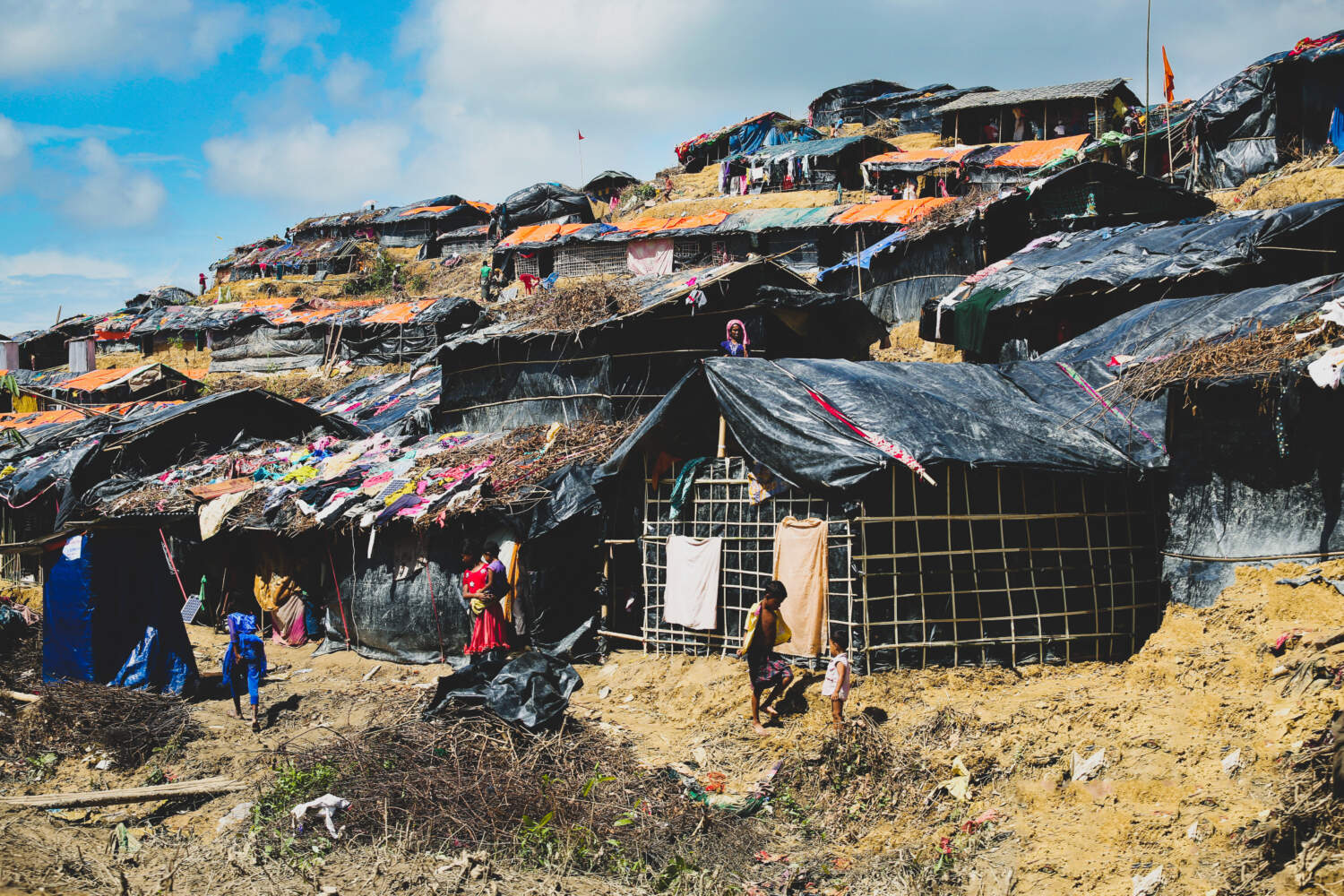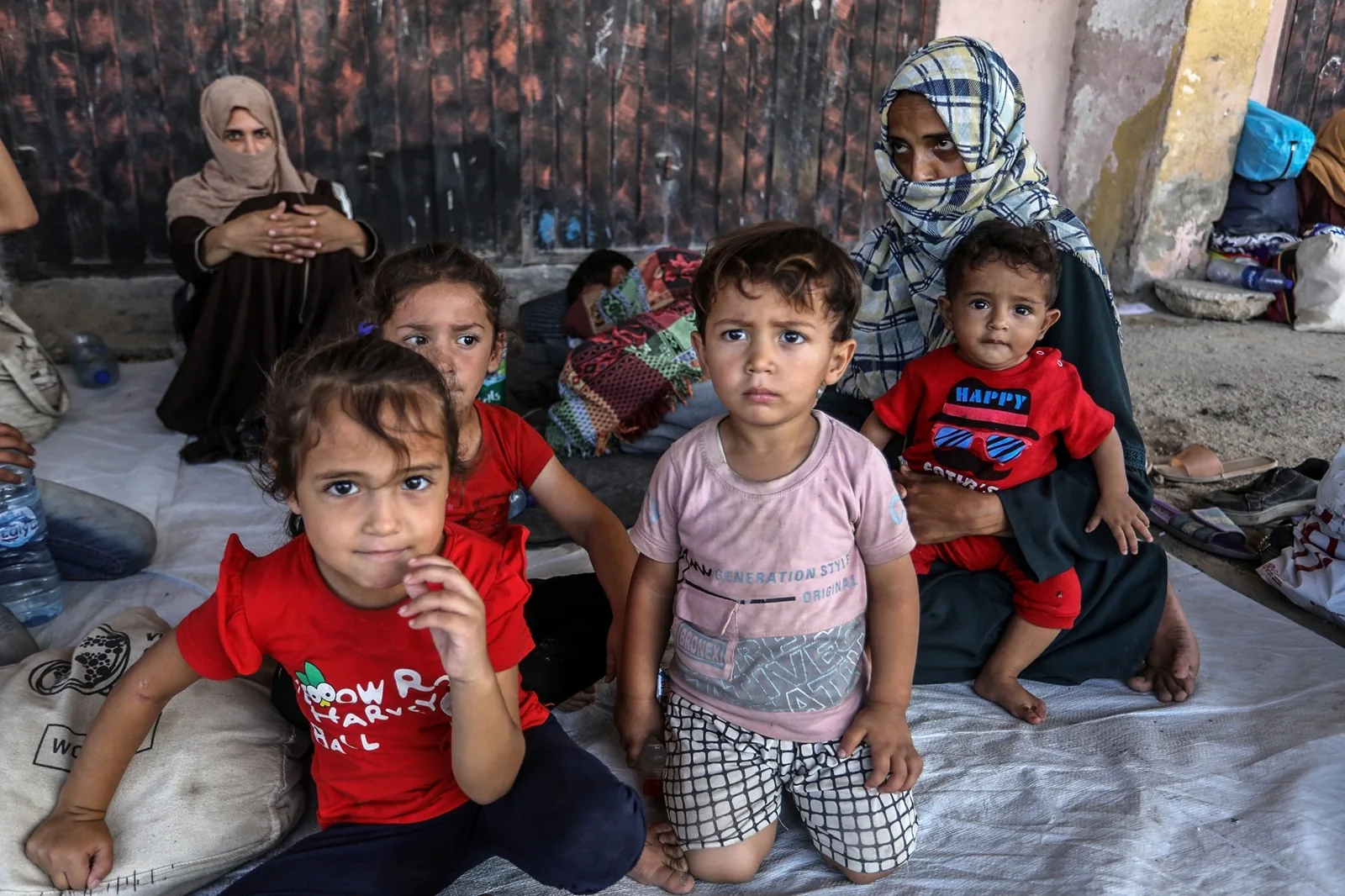
The Gaza famine risk remained high, an Integrated Food Security Phase Classification (IPC) report warned: about 96 percent of its population (2.1 million people) faced high levels of acute food insecurity, and more than 495,000 faced catastrophic levels. Ghiras magazine set out these figures in the report that opens the special feature of its 31st issue, on war-torn regions caught between famine and malnutrition.
Key points of this report
- About 96 percent of Gaza’s population (2.1 million people) faced acute food insecurity, a situation expected to last until September 2024.
- The entire Gaza Strip was classified in Emergency (IPC Phase 4), the phase before famine.
- More than 495,000 people (22 percent of the population) were in catastrophic conditions (IPC Phase 5).
- More than half of households exchanged clothing for money to buy food, and over 20 percent went whole days and nights without eating.
How Do Wars and Crises Push Regions Toward Famine?
Crises and wars have a profound impact on rising famine rates in many parts of the world. They disrupt economic and agricultural systems, leading to food shortages and higher prices. This scarcity can lead to food insecurity, where people cannot obtain enough food to meet their daily needs.
In 2023, for instance, about 733 million people suffered from hunger, one in every 11 people in the world
According to United Nations reports, armed conflicts and economic crises are among the main drivers of rising hunger worldwide. In 2023, for instance, about 733 million people suffered from hunger, one in every 11 people in the world.
Amid the multiple and ongoing crises in the region, including the catastrophic humanitarian situation in Gaza and the continuing crisis in Ukraine, conflict erupted in Sudan without the conditions needed for a strong response, forcing families to flee again and again and pushing millions into the grip of hunger.
UN agencies warned that dangerous levels of acute hunger affected 281.6 million people last year, the fifth year in a row that food insecurity has worsened, heightening fears of famine and “widespread death” from Gaza to Sudan and beyond.
In Sudan, 4.9 million children under five and pregnant and breastfeeding women are acutely malnourished, and more than 3.5 million children are at risk of hygiene-related diseases such as cholera, which has already caused dozens of deaths in recent months, according to UNICEF.
In Gaza, malnutrition, wasting and infectious diseases are spreading rapidly among children, reaching devastating and unprecedented levels because of hunger. Around 90 percent of children aged 6 to 23 months, along with pregnant and breastfeeding women, face severe food deprivation.
How High Is the Gaza Famine Risk?
Between northern and southern Gaza, bleak and dark scenes unfold for hundreds of thousands at risk of famine, gripped by hunger and a severe shortage of food supplies in a territory that has been ravaged by war since 7 October 2023.
bleak and dark scenes unfold for hundreds of thousands at risk of famine
With the war continuing and humanitarian access restricted, an international report warned of a continued high risk of famine across the whole Gaza Strip. It said that about 96 percent of the population (2.1 million people) face high levels of acute food insecurity, and expected this situation to last until September 2024.
What Does Gaza’s Phase 4 Classification Mean?
The IPC report, prepared with a number of humanitarian agencies, classified the entire Gaza Strip as being in Emergency (IPC Phase 4), the phase that precedes famine (IPC Phase 5).
The report added that over 495,000 people (22 percent of the population) face catastrophic levels of acute food insecurity (IPC Phase 5), in which households experience an extreme lack of food, starvation and the exhaustion of their ability to cope.
How Does Shrinking Access Raise the Gaza Famine Risk?
The report said humanitarian access to the two million people in the southern governorates had been notably reduced by the closure of the Rafah border crossing and obstacles at the Karm Abu Salem crossing. It stressed that the concentration of people in areas largely lacking water, sanitation, hygiene, healthcare and other basic infrastructure raises the risk of disease outbreaks, with catastrophic effects on the nutrition and health of large parts of the population.
How Are Families Coping With the Gaza Famine Risk?
According to the international report, more than half of households have exchanged their clothing for money to buy food, while a third of families collect and sell waste. More than half of households often have no food, and more than 20 percent of families go whole days and nights without eating.
Read also: 18 Million People in Sudan Face Acute Hunger and Qatar Charity Humanitarian Interventions in the Gaza Strip in 2023.