Qatar Charity’s engagement in social care dates to its founding. The organization began its work in 1982 by sponsoring orphans, operating at the time under the name “Qatar Committee for Orphan Sponsorship.” In the early 1990s, it was renamed “Qatar Charity,” and its mandate expanded to include relief and development work in countries affected by crises and disasters.
Launch of the “Rofaqa” Initiative
On 31 December 2013, Qatar Charity launched the “Rofaqa” initiative as a specialized platform for the care of orphans and sponsored beneficiaries. It broadened the concept of sponsorship to encompass comprehensive educational, health and academic care, as well as the economic empowerment of families.
The initiative seeks to lead in social solidarity and redefine traditional sponsorship so that it extends beyond monthly financial support.
Sponsorship Categories
“Rofaqa” sponsorships cover the following vulnerable groups: orphans, students, teachers, vulnerable families and persons with disabilities.
Countries Covered by the Sponsorship Programme
Qatar Charity provides sponsorship support in around 50 countries worldwide, with a focus on crisis-affected areas and fragile countries, including Palestine, Sudan, Bangladesh, Pakistan and Syria, among others.
Key Achievements and Development
A. Quantitative Growth
1. Steady Increase in the Number of Sponsored Beneficiaries
The initiative recorded substantial growth in the number of sponsored beneficiaries, rising from 28,500 in 2013 to more than 190,000 by the end of 2022. According to the latest figures, the total reached approximately 224,000 by the end of 2025.
2. Raising the Sponsorship Age: A Pioneering Step
In a pioneering move with far-reaching implications for orphan sponsorship, the initiative raised the eligible sponsorship age in 2025 from 18 to 23. The change enables orphans to complete university studies or enroll in technical institutes and vocational training centers that prepare them for the labor market, helping them build a more secure future.
B. Qualitative Development
This includes the continued development and operation of orphan villages and residential homes equipped with diverse service facilities, alongside dedicated programmes and projects that promote comprehensive care and build the capacities of sponsored beneficiaries.
1. Orphan Villages and Orphanages
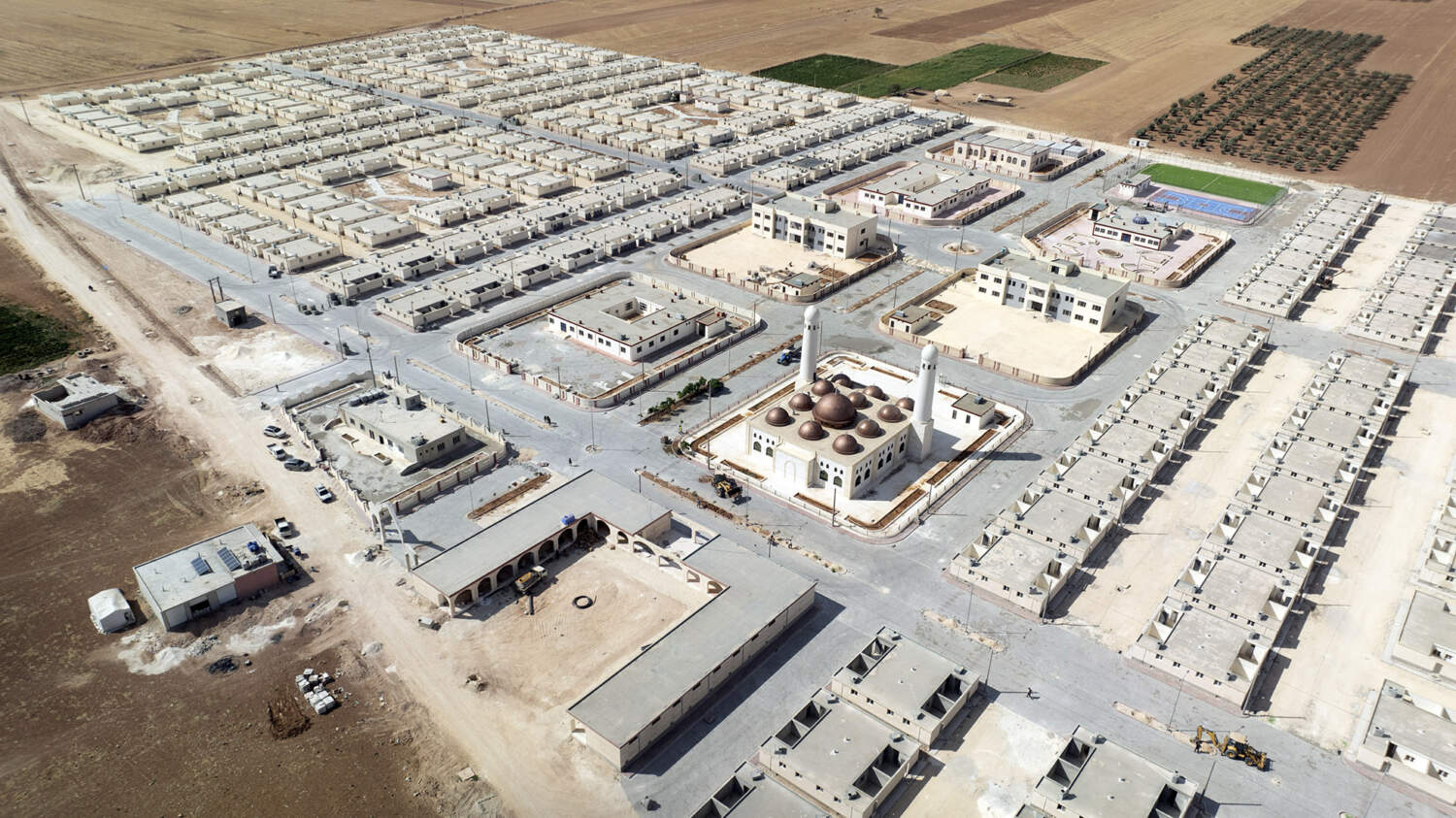
Qatar Charity has continued to establish additional villages and cities dedicated to orphans. Its latest project, currently under construction, is Al-Hayat City for Orphans in Istanbul. Once completed, it will be the largest development of its kind in terms of area and capacity. A separate feature will be devoted to the project.
Previously Established Cities Included:
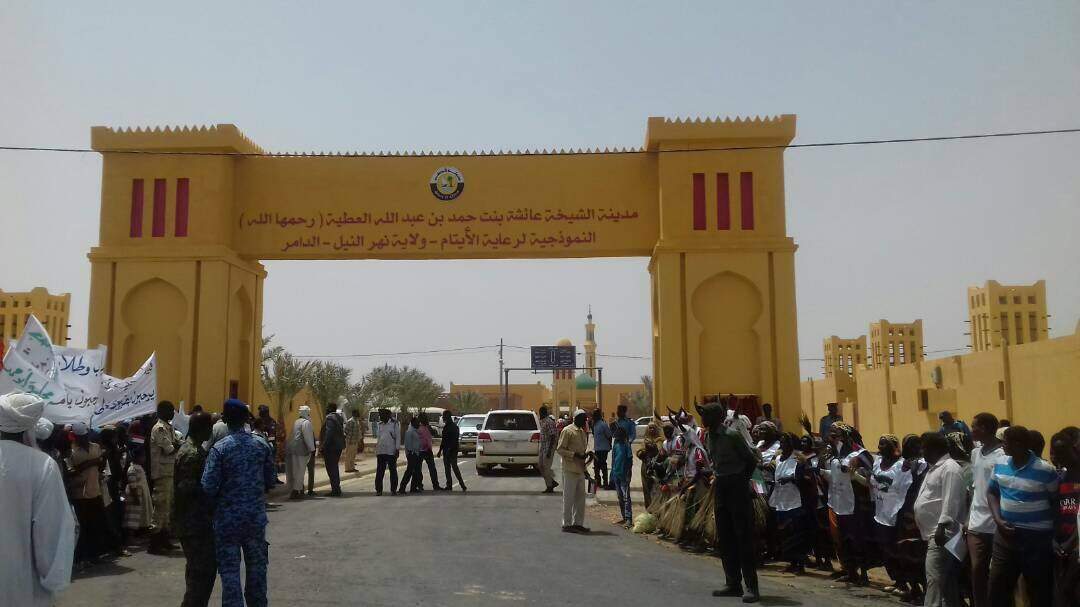
Sheikha Aisha bint Hamad bin Abdullah Al Attiyah City for Orphan Care Sudan
Project Details:
- Location: Atbara, River Nile State, north of Khartoum.
- Opened and operational: 2017.
- Area: 200,000 square meters.
- Objective: To provide comprehensive sponsorship and care for orphans and their families while empowering them economically and socially.
- Facilities: 200 furnished homes and additional facilities designed to provide an integrated environment, including schools for girls and boys, a vocational training center, a health center, a central mosque, a commercial market, children’s playgrounds, two water wells and public services.
- Beneficiaries: 1,100 orphans and their families, with residents of the surrounding community also able to benefit from the city’s services.
Tayba City for Orphans — Sudan
Project Details:
- Location: Khartoum State.
- Opened and operational: 2021.
- Facilities: Primary and secondary schools, residential accommodation for orphans, a fully equipped health center, sports grounds and administrative offices.
- Objective: To provide an integrated educational and developmental environment, strengthen orphans’ skills and abilities, and support their health and social well-being.
- Area: Approximately 9,000 square meters.
- Beneficiaries: 500 orphans and their families, with residents of the surrounding community also able to benefit from the city’s services.
2. Orphanages
Qatar Charity operates 13 orphanages in Bangladesh, comprising schools and residential sections. Together, they serve around 1,846 orphans and sponsored students, including 1,317 orphans, providing accommodation, high-quality education, essential services and activities across a range of fields.
In addition, Qatar Charity has built 57 schools across various parts of Bangladesh, serving unsponsored orphans and children from vulnerable families.
3. Programmes Designed for Sponsored Beneficiaries
As part of its comprehensive care model, Qatar Charity has designed and developed integrated programmes to support beneficiaries across multiple areas and strengthen their capacities. These include economic empowerment projects for vulnerable families and mothers of orphans; educational, recreational and academic programmes; psychological and health support; cultural, sports and leisure activities; and competitions for orphans. Qatar Charity also launched the “Omniyati” digital platform, which helps fulfil orphans’ wishes by connecting them with sponsors and donors.
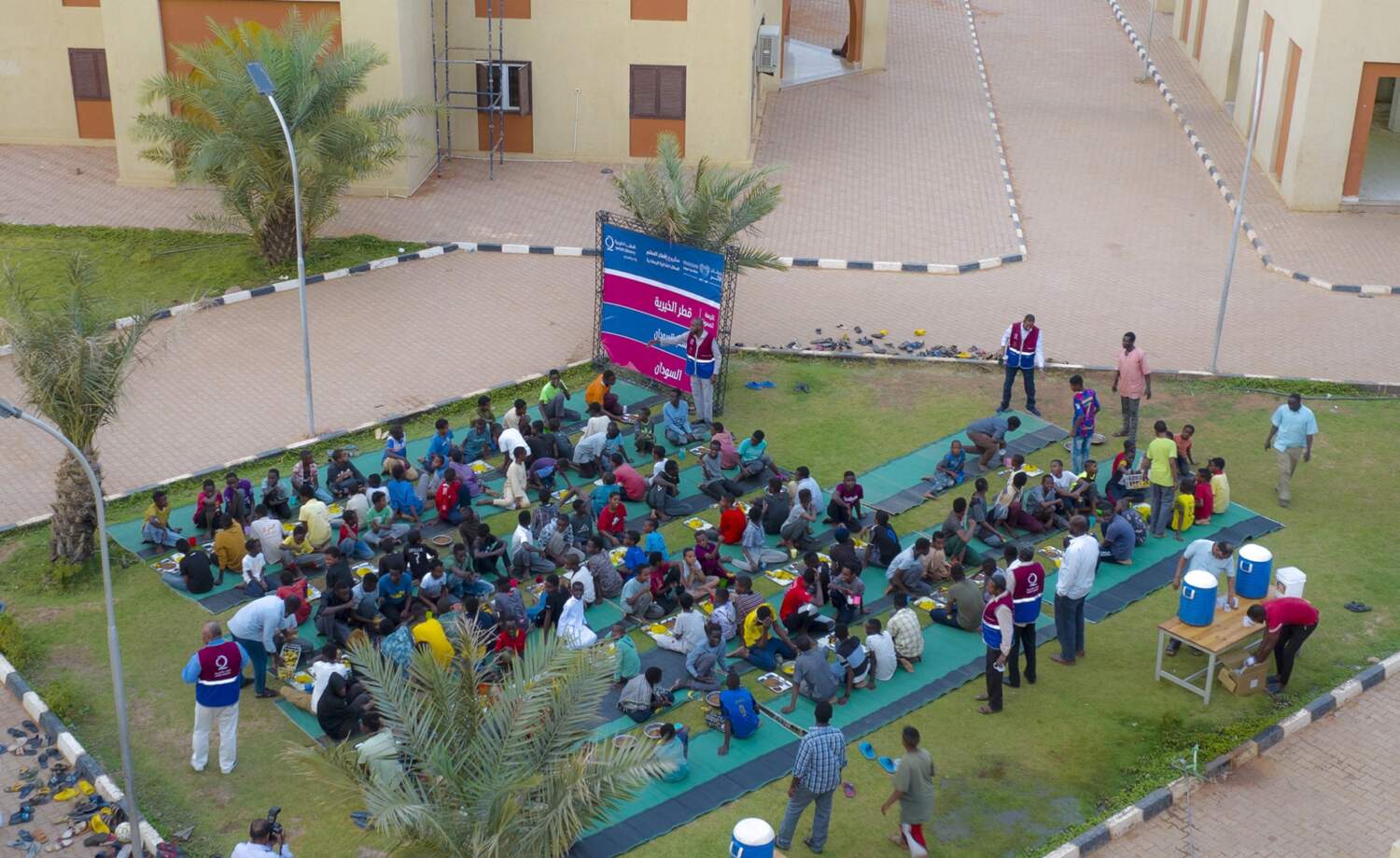
Projects benefiting sponsored beneficiaries in 2025 included seasonal initiatives such as Ramadan iftar meals, Zakat al-Fitr, sacrificial meat distribution and Eid clothing. Other initiatives included Umrah trips for high-achieving orphans, medical treatment for individuals, and the “Furqan” project, which teaches the Holy Quran and Arabic to non-native speakers.
Inspiring Role Models
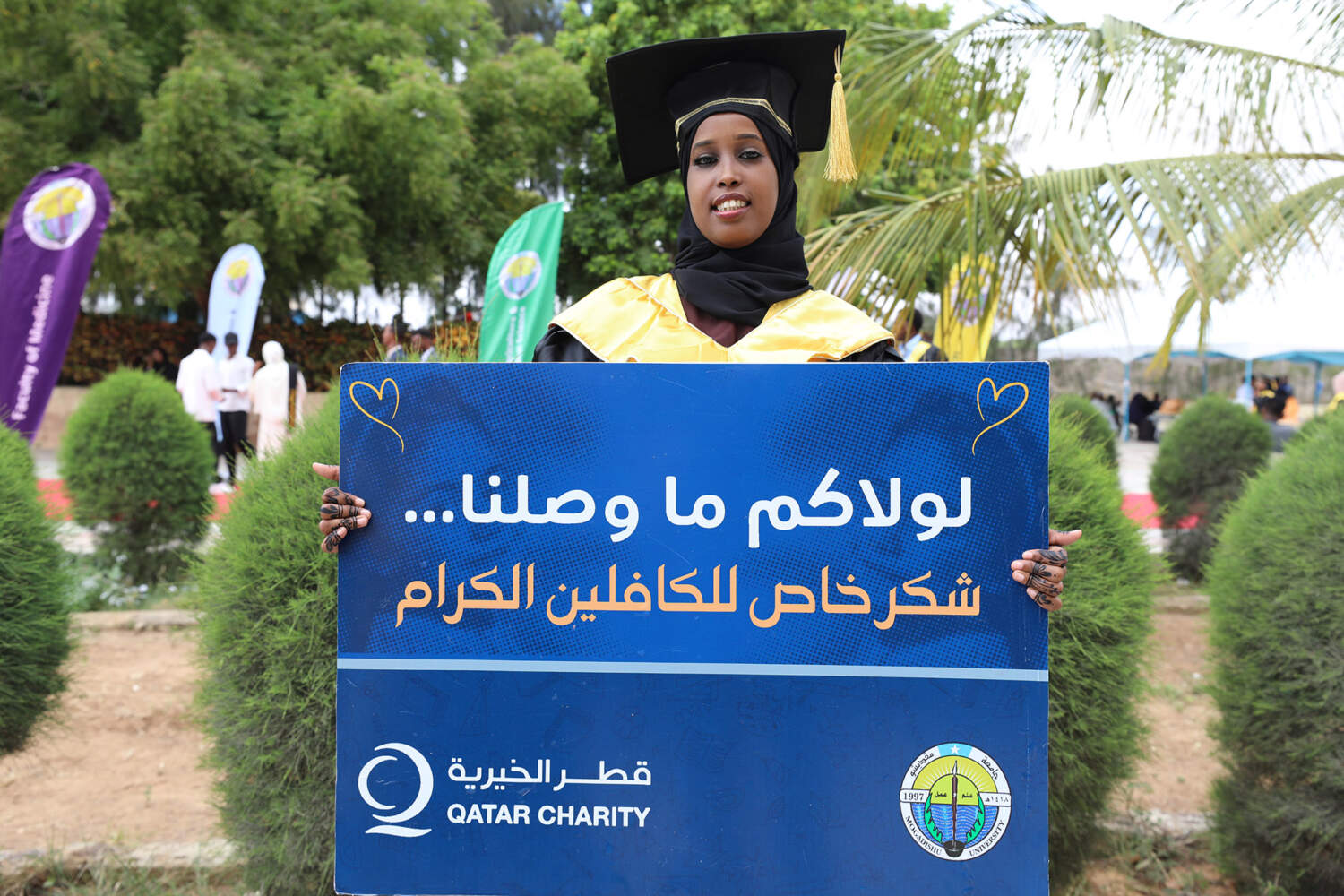
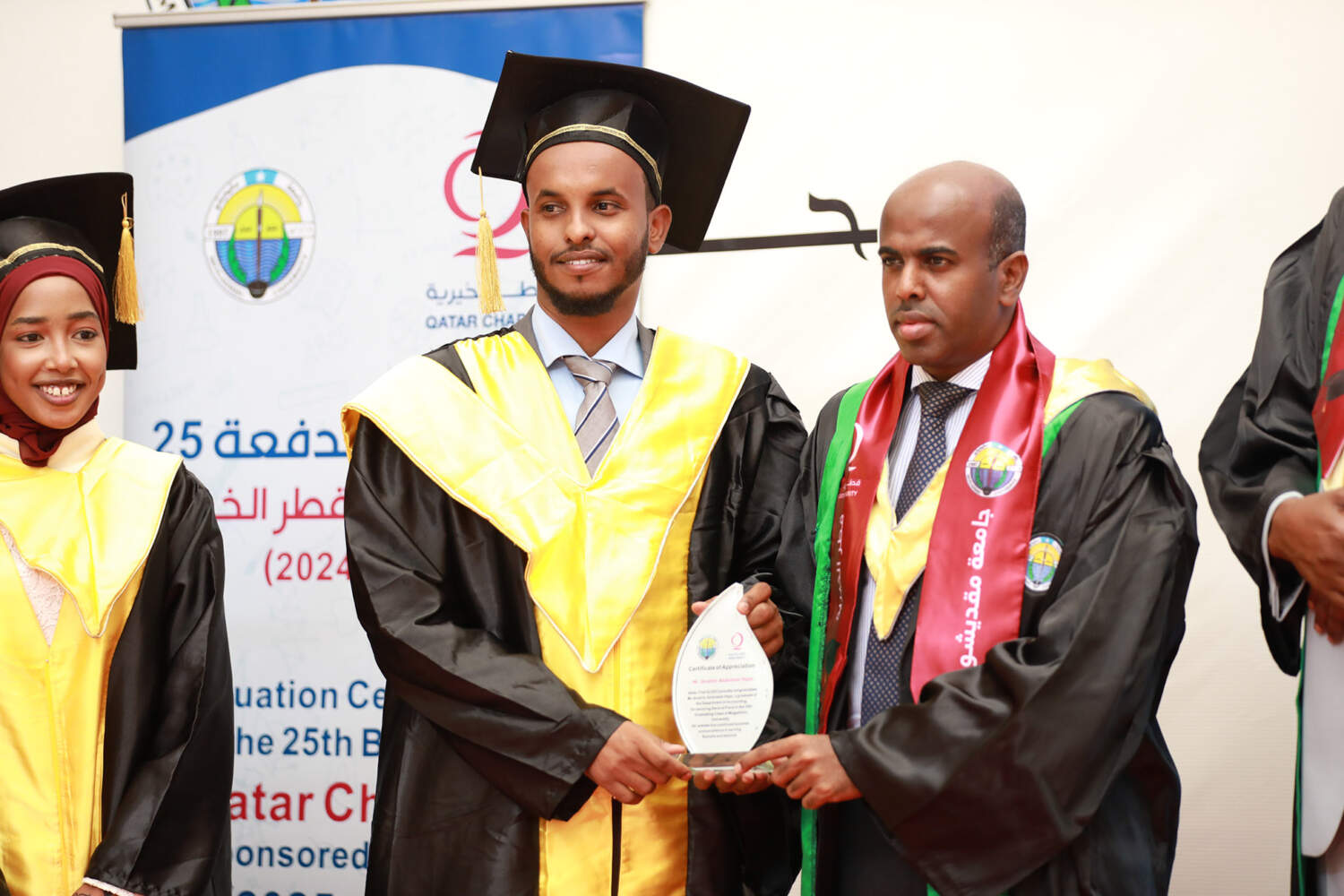
Qatar Charity takes pride in the many inspiring role models and success stories among its sponsored beneficiaries, some of whom have attained distinguished academic qualifications and senior positions in the public and private sectors in several countries. It is equally proud of former beneficiaries who have gone on to become sponsors themselves and now contribute to humanitarian and charitable work.