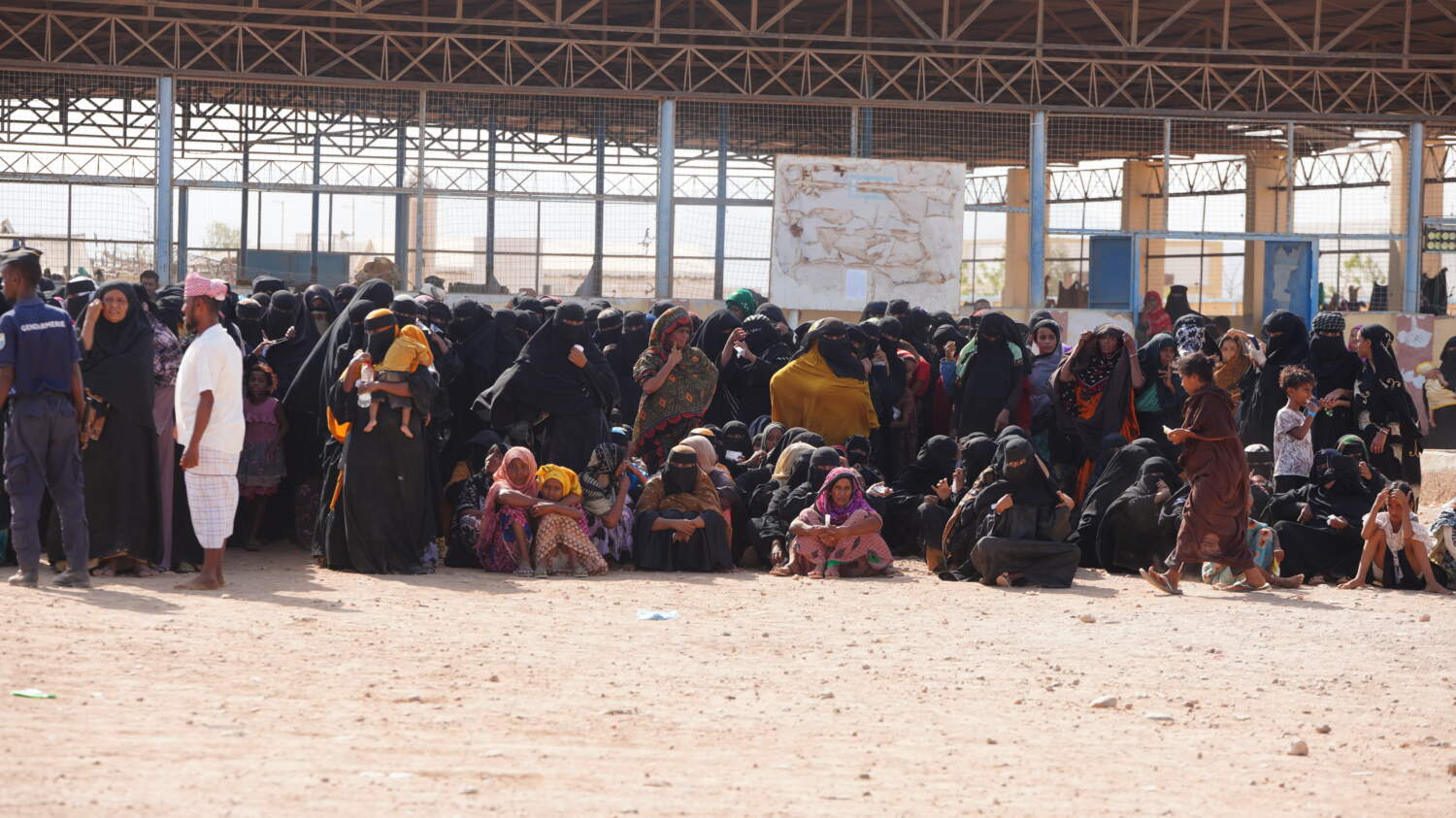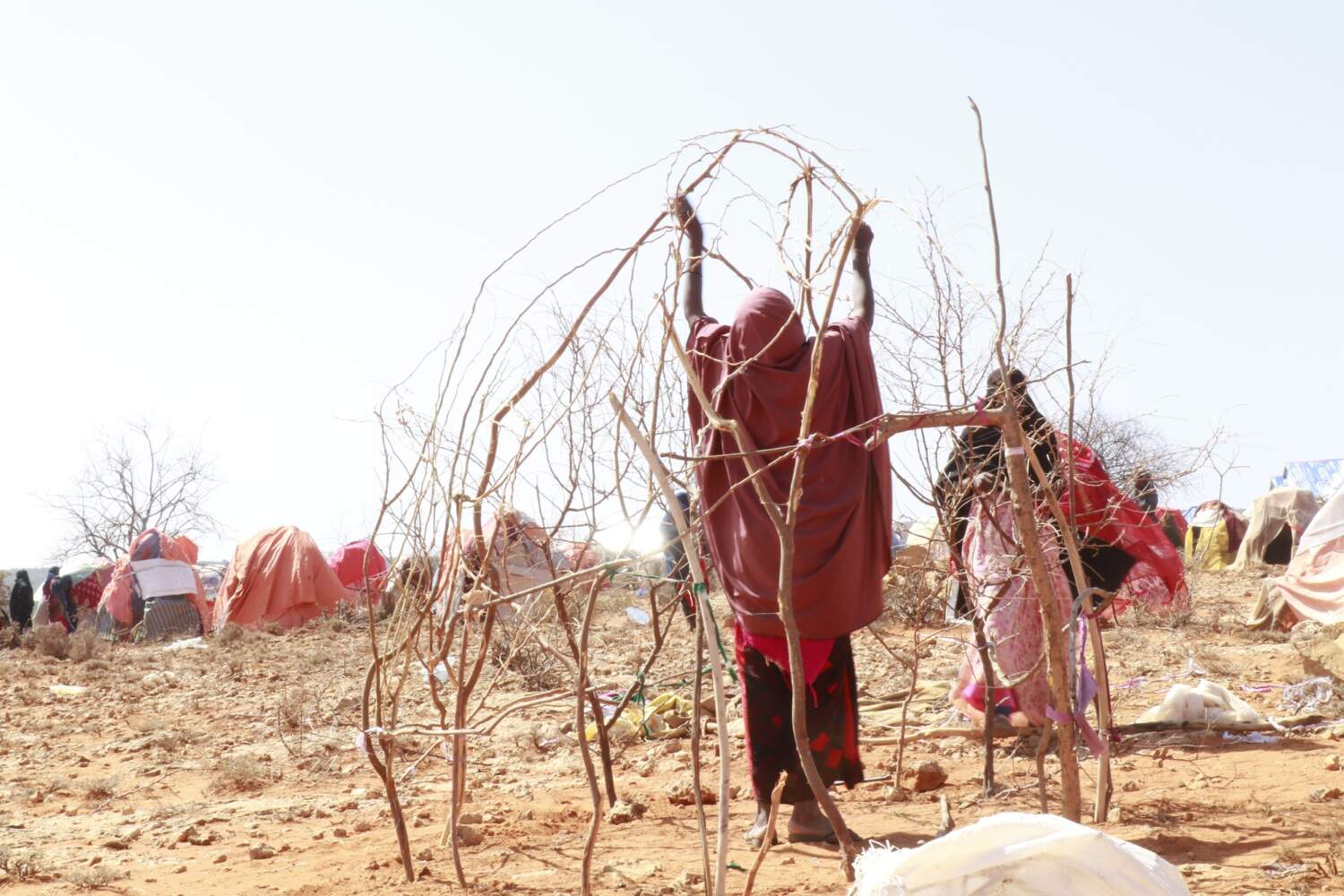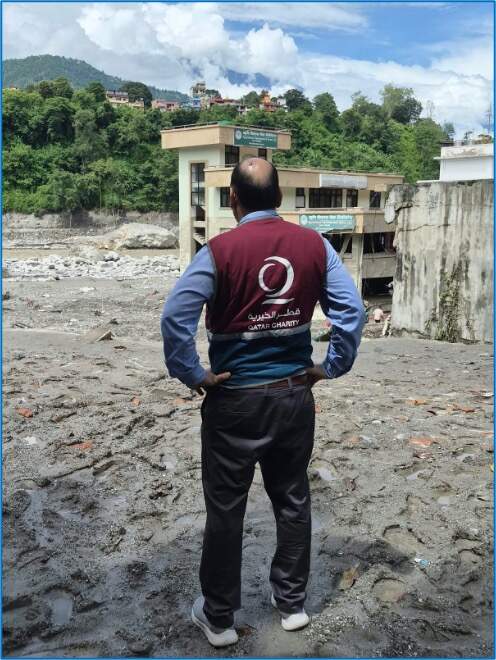
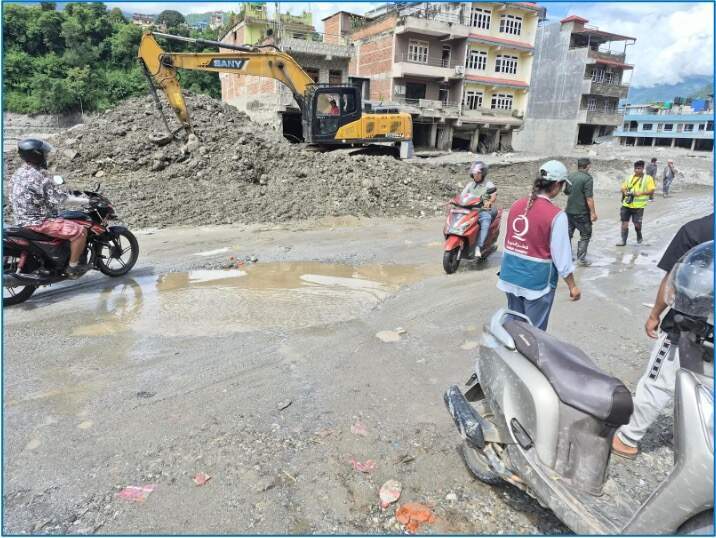
When devastating floods struck Nepal in late August 2026, Qatar Charity’s team moved quickly to support affected communities. The river that had long been a source of life and livelihoods suddenly became a force of destruction. Roads disappeared, houses were damaged and left tilting, and vehicles lay buried beneath mud and debris. The landscape seemed to have changed overnight.
What struck me first on reaching the affected areas was the heavy silence that hung over them. As our team moved through flood-affected settlements, families sat beside what remained of their homes. Some searched for relatives or waited anxiously for news of missing loved ones, while others gathered whatever belongings they could recover. Many had lost almost everything within minutes, yet they faced uncertainty ahead with remarkable patience and dignity.
Yet what stayed with me most was not physical destruction. It was the people.
The Human Cost of the Floods
The first days were marked by isolation and uncertainty. Damage to roads and bridges cut communities off from nearby towns, while access to food, clean water, healthcare and communication became extremely difficult.
Behind every disaster statistic is a human story.
Families did what they could to protect children and older people from continuing rain, cold conditions and the threat of further landslides. For those who had lost their homes, the future was unclear, while the emotional burden of losing loved ones and possessions was as profound as the destruction around them.
Children left a particularly lasting impression on me. Some remained unusually quiet, still trying to understand what had happened. Others created simple games from whatever they could find around them. Even amid such devastation, they reminded us that hope has a way of surviving.
Moments That Stayed With Me
One scene remains especially vivid in my memory. An elderly couple walked slowly past the rubble of homes along the riverbank. They carried almost nothing and exchanged no words. The scale of their loss was evident in their silence.
In that moment, I was reminded that disasters do not only destroy buildings; they can also take away a lifetime of memories, security and a sense of belonging.
I was also deeply moved by a father who had lost both his home and his livelihood, yet remained focused on one thing: getting his children back to school. His concern was not for himself, but for their future.
Disasters do not only destroy buildings; they can also take away a lifetime of memories, security and a sense of belonging.
Equally unforgettable were the local volunteers and community members who continued to help others despite being affected themselves. They carried relief supplies, supported vulnerable families and helped their neighbors reach safety. Their selflessness reflected humanity at its best.
Why Humanitarian Action Matters
These experiences deepened my conviction that humanitarian action is about far more than delivering aid. Food, shelter, clean water and medical assistance are essential, but people also need to know that they have not been left alone to face a crisis.
Humanitarian action means standing beside people in their most difficult moments, listening to them, protecting their dignity and helping them regain confidence in the future.
To the readers of Ghiras, my message is simple: behind every disaster statistic is a human story. Every relief package, every donation and every act of solidarity can give someone an opportunity to begin again.
The people I met during those difficult days reminded me that while disasters may test the limits of human endurance, they also reveal the extraordinary compassion, solidarity and resilience that unite us all.
Read also: When Winter Becomes a Crisis Within a Crisis.