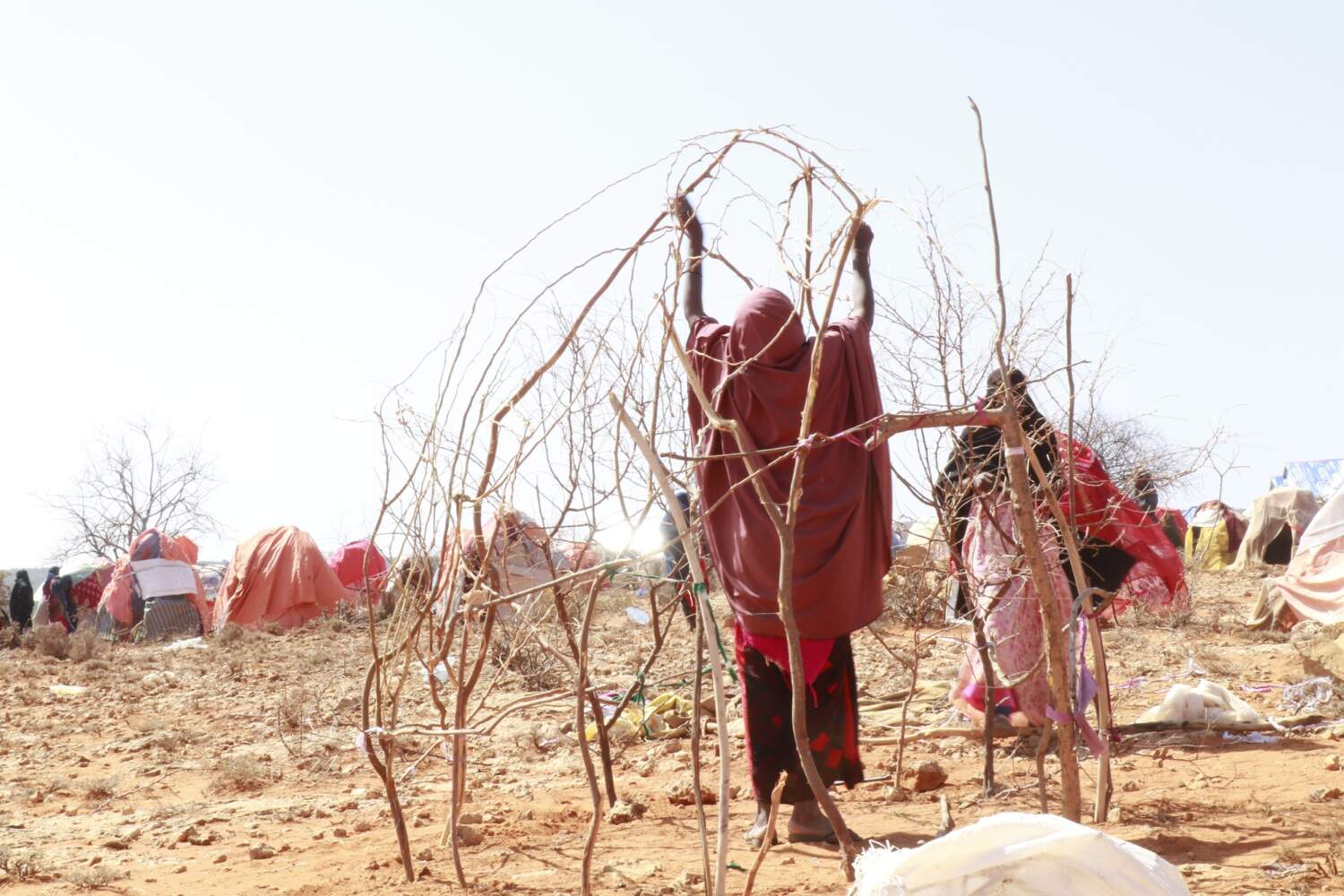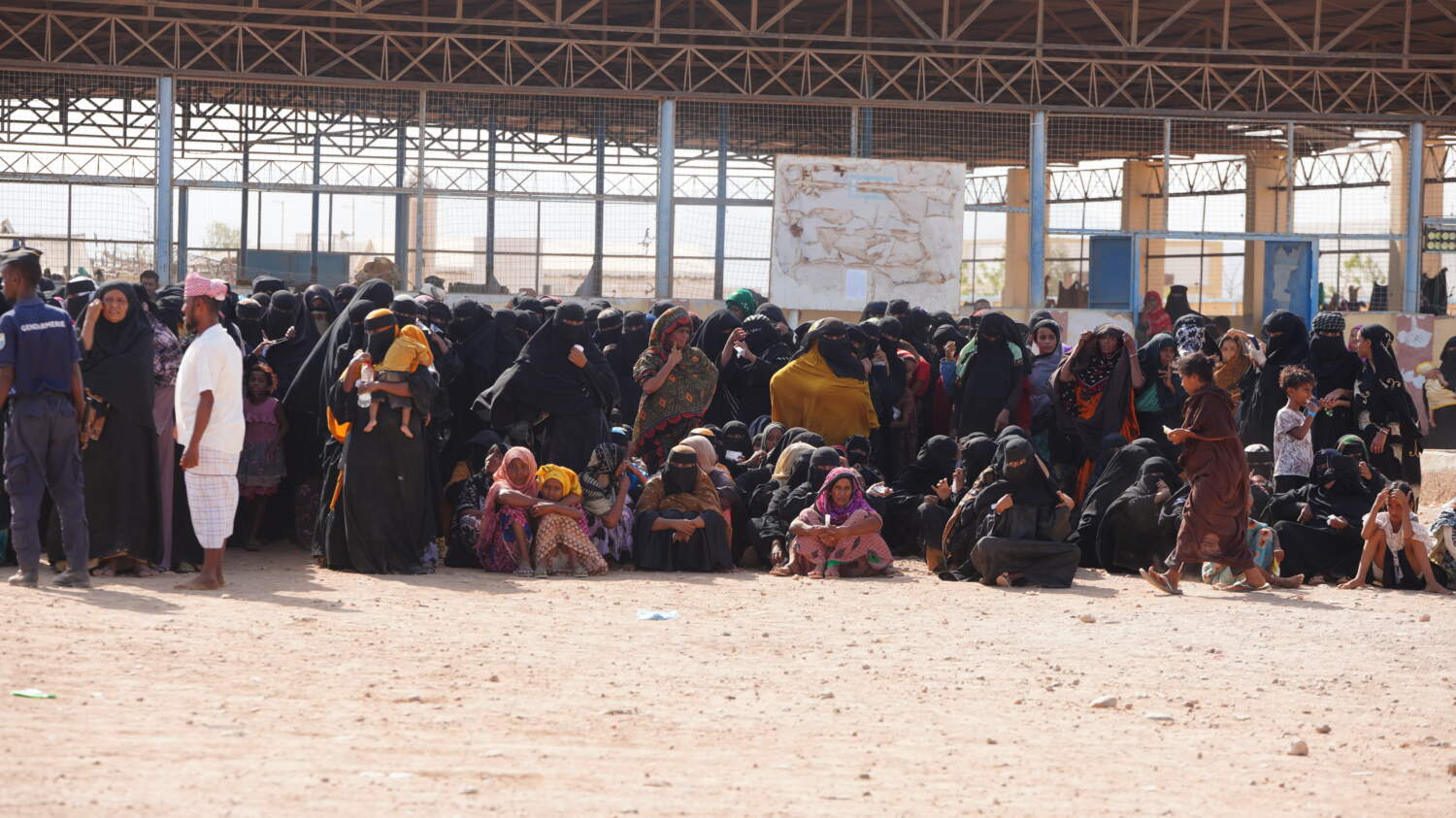
From a baby girl born during a perilous sea crossing to a mother struggling to care for four seriously ill children and elderly women exhausted by the long journey, field accounts from Obock, Djibouti, reveal the human cost borne by newly arrived Yemeni refugees fleeing the renewed conflict in Yemen. Statistics help convey the scale of the crisis, but personal stories speak most powerfully to the reality of families who reached this coastal city in search of safety and stability.
Briefly
- Location: Obock, northern Djibouti.
- Target group: Newly arrived Yemeni refugees.
- Priority needs: Shelter, food, water, clothing and healthcare.
- Most vulnerable groups: Children, women, pregnant women, older people and people who are ill.
- Type of response: Emergency humanitarian assistance, non-food items and other essentials.
Facts and Figures from the Field
- Approximately 2,400 Yemeni refugees arrived in Obock over a short period beginning in September 2026.
- In September 2026, Qatar Charity’s humanitarian interventions targeted approximately 2,000 newly arrived Yemeni refugee families.
- The interventions aimed to reach approximately 10,000 people.
- An initial response of US$1 million was allocated to meet urgent humanitarian needs.
- New families continue to arrive, increasing demand for shelter, food, water and healthcare.
These figures reflect the needs and humanitarian interventions associated with newly arrived Yemeni refugees in Obock during September 2026.
Behind the Refugee Numbers: Stories of a Search for Safety
Obock is the main gateway for Yemeni refugees arriving in Djibouti. In September 2026, it received new groups of families fleeing the renewed conflict in Yemen. As arrivals increased, urgent needs emerged for shelter, food, water, healthcare and protection, particularly for children, women and older people.
During our field visits, it became clear that the numbers reveal only part of the picture. Every family reaching a reception site had endured a difficult journey marked by fear, uncertainty and anxiety about the future. Behind every face was a distinct story of hardship and resilience.
Maryam: A Life That Began in Displacement
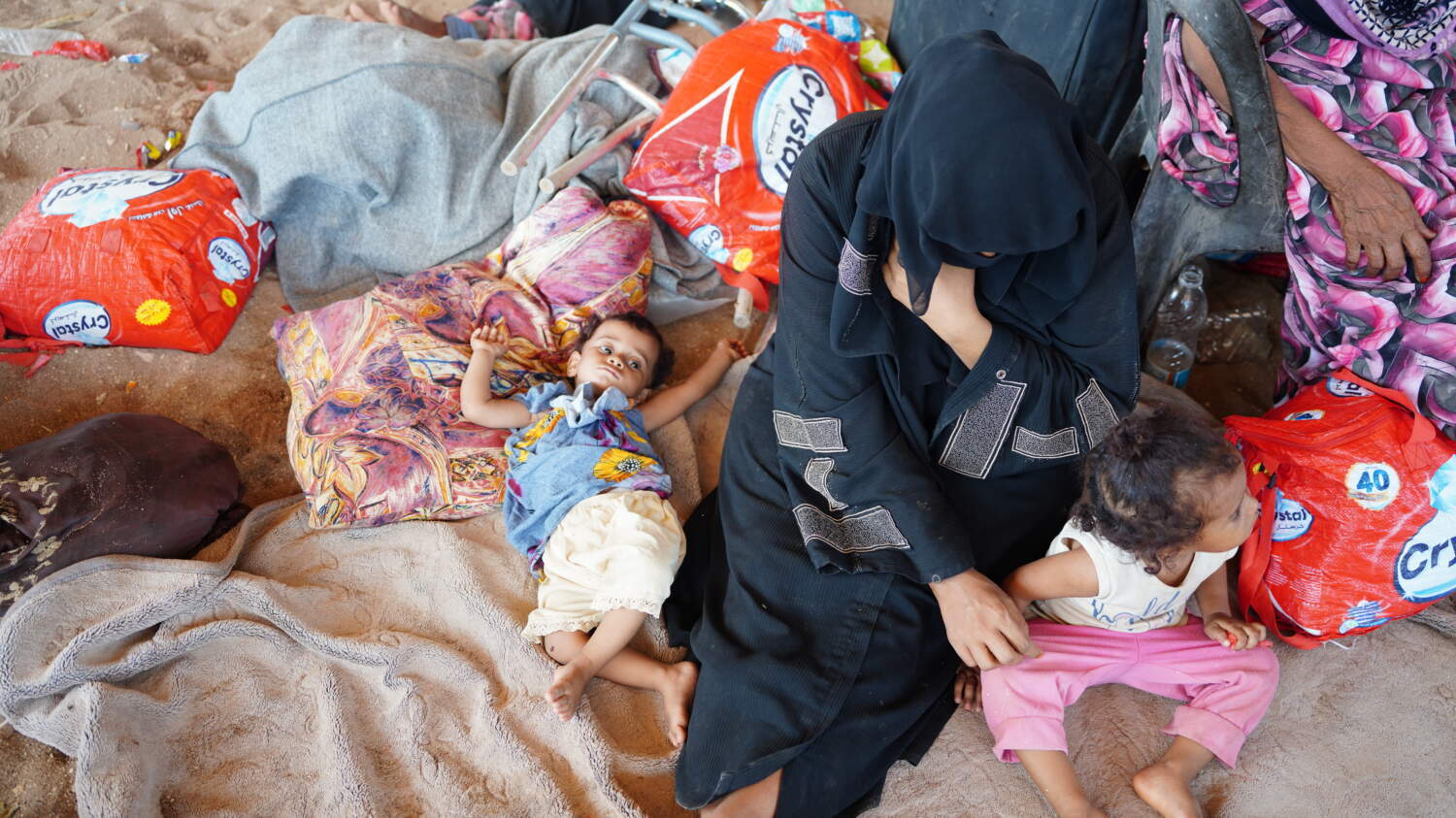
Among the stories that most starkly captured the hardship of displacement was that of a mother who undertook a dangerous sea journey in the hope of bringing her children to safety. She was pregnant and went into labor before reaching her destination. She named her daughter Maryam. The newborn began life in circumstances far removed from the beginning any mother would wish for her child.
Maryam arrived at the camp only days old, while her mother was coping simultaneously with the effects of childbirth, exhaustion and the journey.
The mother said:
“I was not looking for anything for myself. I only wanted to bring my children to a safe place.”
Maryam’s story reflects the experiences of many women who face displacement at one of the most vulnerable stages of their lives, when healthcare and protection cannot be delayed.
Four Children Facing Illness and Displacement
Another family illustrated the severe health challenges confronting some displaced households. One mother has four children who, according to the family, all have leukemia.
With no source of income, she cannot secure the treatment or follow-up care they need. The family lacks the means to meet both its medical and day-to-day needs and is living in a communal hangar with several other newly arrived family conditions ill-suited to children requiring continuous care.
The mother said:
“Four of my children are ill. I am their mother, yet I cannot do anything for them. We need everything—food, medicine, clothing and shelter.”
Her story reveals another dimension of displacement: hardship does not end with the loss of shelter but extends to the struggle to access treatment and essential health services.
Older Women Carrying the Burden of Age and the Journey
Among the most affecting encounters were those with older women, some aged over 70 or 75. They had completed a long and grueling journey whose effects were visible on their bodies. Some could no longer move easily and needed daily care and support even for the simplest tasks.
One woman sat on the ground, leaning against a temporary wall and struggling to catch her breath after a journey that had drained what remained of her strength.
She said:
“We can no longer walk. We are exhausted. I need a chair and a shelter that will protect me in my frailty.”
These simple words convey the scale of the challenges older people face during displacement, when health and daily living needs intensify under harsh and unfamiliar conditions.
A Journey Not Yet Over
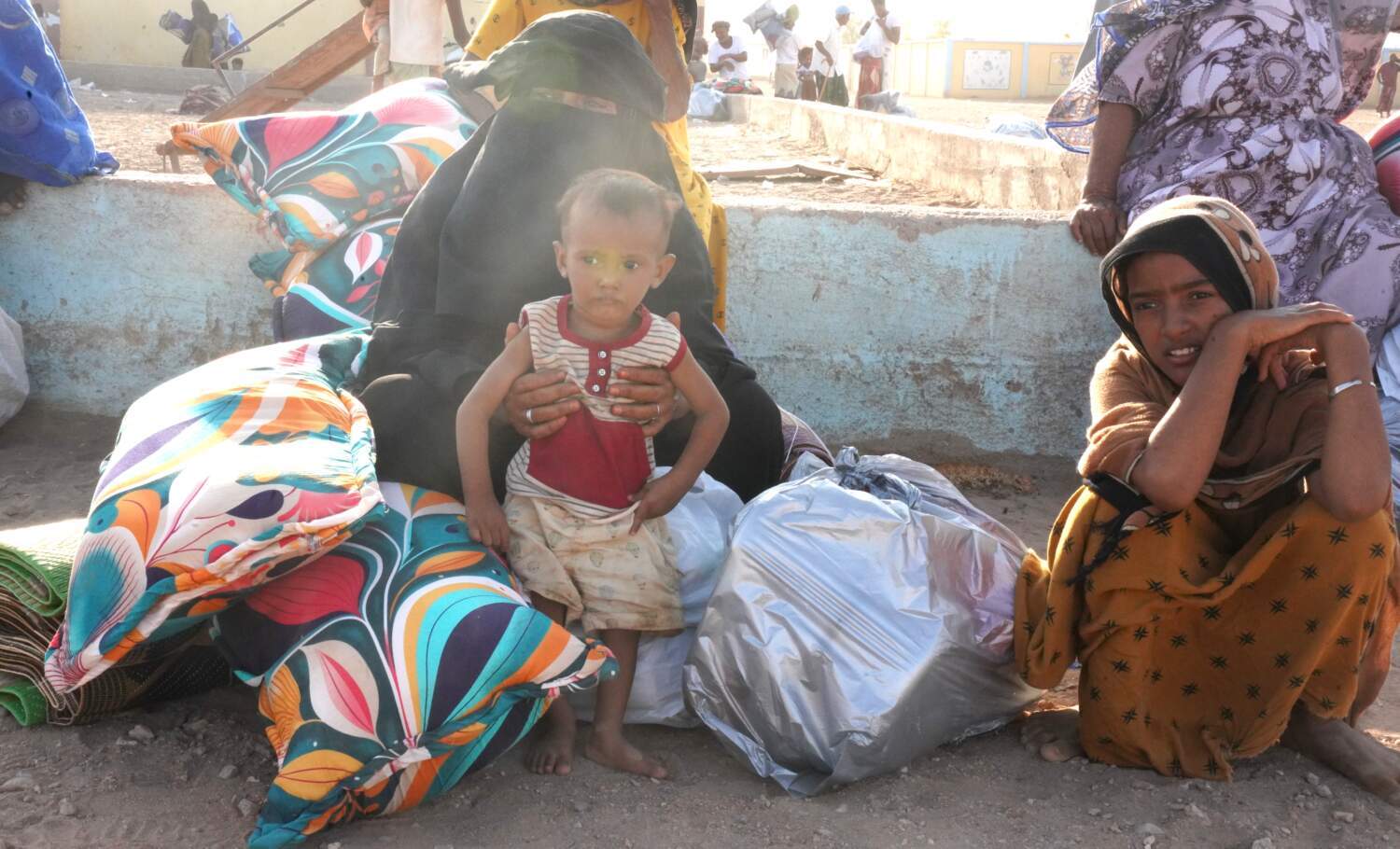
Field visits showed that many families arrived bearing the physical and psychological effects of the journey. Exhaustion, anxiety and trauma were evident among many new arrivals, with children, mothers and older people most affected.
Amid tents and temporary shelters, children tried to recover a sense of ordinary life with the simplest means, while mothers focused on meeting their families’ needs and adapting to a new reality imposed by displacement.
Groups Most in Need
- Children.
- Pregnant and breastfeeding women.
- Older people.
- People who are ill or have chronic conditions.
- Female-headed households.
- People with disabilities or limited mobility.
What Do Refugees Need Today?
Field interviews identified the following urgent priorities:
- Safe shelter.
- Safe water.
- Food.
- Clothing and blankets.
- Healthcare.
- Medication for chronic conditions.
- Psychosocial support and social protection.
An Effective Response Begins with Understanding Needs
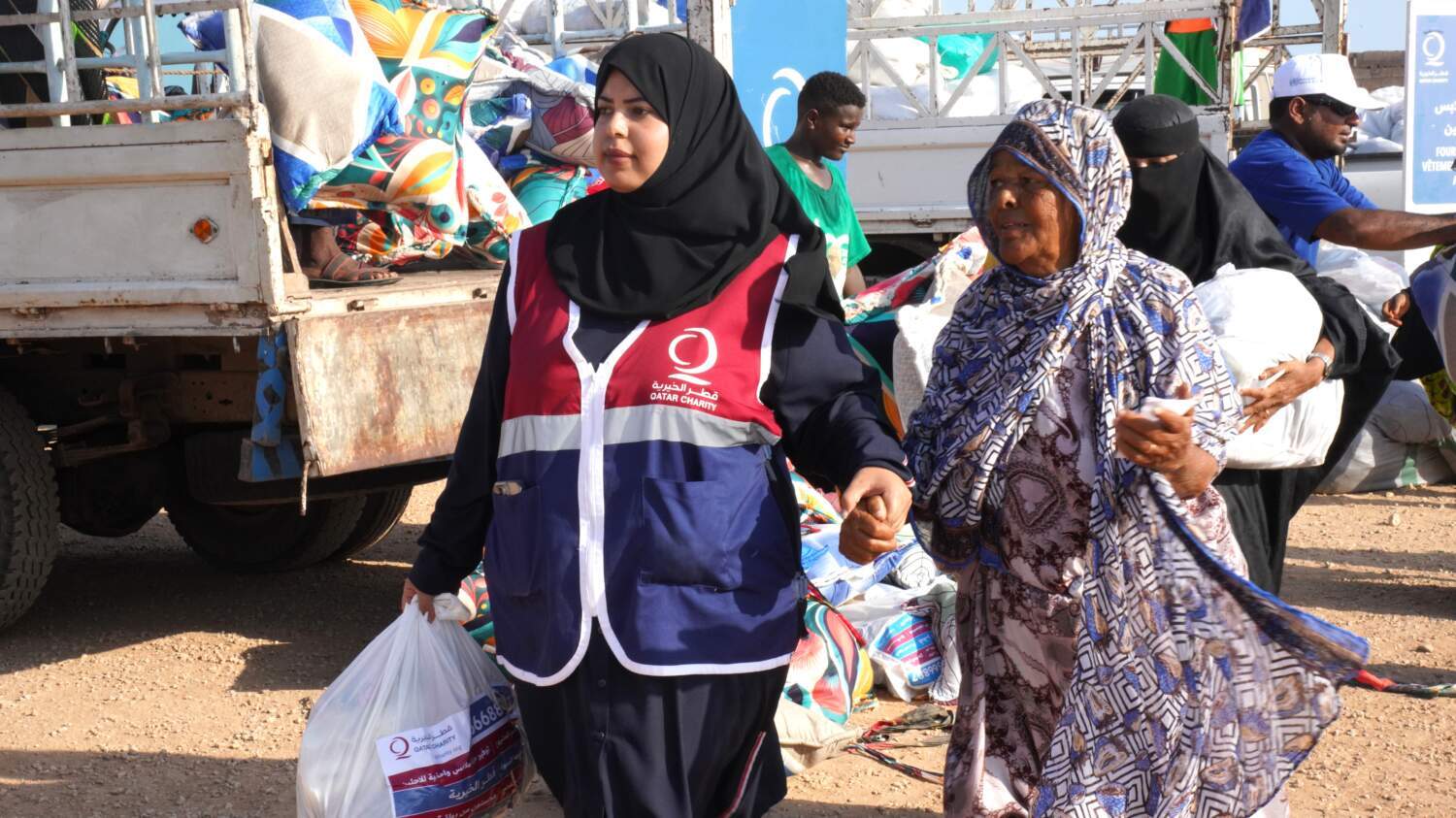
In response, Qatar Charity, through its Djibouti office and in coordination with the relevant authorities, provided mats, blankets, pillows, clothing, footwear, kitchen utensils, water, food, tents and other essentials.
During September 2026, these interventions targeted approximately 2,000 families, about 10,000 people—as part of an initial humanitarian response for which US$1 million was allocated to address the growing needs of newly arrived families.
What Remained in Our Memory?
After the field visit ended, it was not the tents or the distribution activities that remained most vivid, but the faces we had encountered: Maryam, whose life began in displacement before she had the chance to see the world as every child should; a mother trying to protect four ill children in circumstances beyond her endurance; and the tears of an older woman worn down by the journey but still holding on to hope.
Those faces capture much of what numbers and tables cannot express.
When Assistance Protects Dignity
The stories documented during this field visit show that humanitarian needs extend beyond food, water and shelter. They also include healthcare, psychosocial support and social protection, especially for the most vulnerable.
They also reaffirm that genuine humanitarian action is measured not only by the volume of assistance delivered, but by its ability to reach people when they need support most.
Statistics remain essential to understanding the scale of the crisis, but they do not tell the whole story. Behind every number is a person; behind every family is a distinct journey of hardship and hope; and behind every humanitarian response is a new opportunity to restore dignity and build a safer, more stable beginning.
Key Findings from the Field Visit
- New groups of Yemeni refugees continue to arrive in Obock.
- Children, women and older people are among the most vulnerable.
- Healthcare is as urgent a priority as food and shelter.
- Chronic illnesses compound the hardship faced by some displaced families.
- Psychosocial support and protection are essential components of any humanitarian response.
- Behind every statistic is a human story that deserves to be told.
Observed and documented by: Ghada Ezz El-Din, Director, Qatar Charity Office in Djibouti