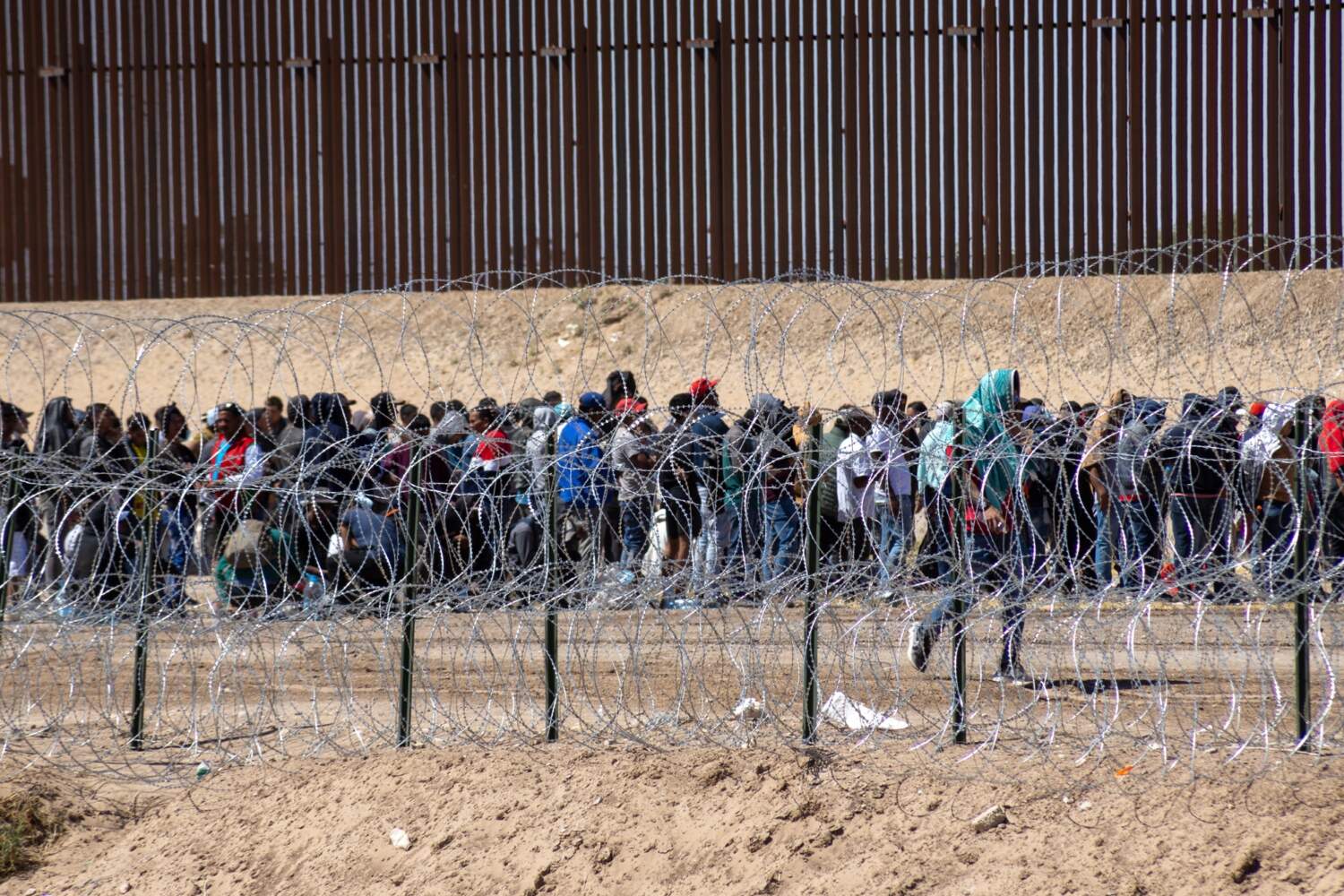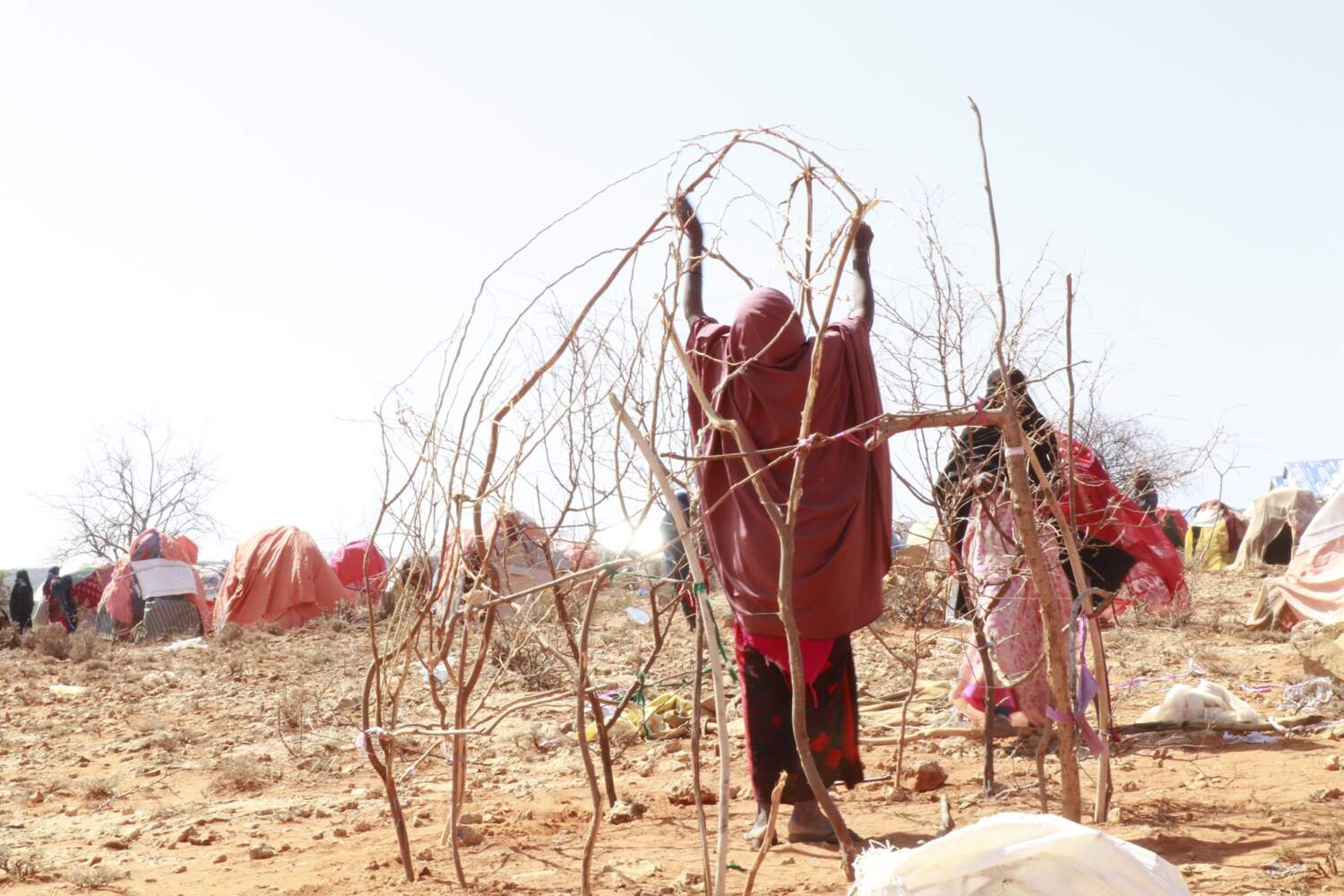
Over the past decade, the world has witnessed an unprecedented rise in forced displacement. No longer driven solely by armed conflict and political crises, this phenomenon is increasingly shaped by the convergence of conflict with extreme climate events such as floods, droughts, and intense heatwaves.
This intersection has forged a new reality in which refugees and internally displaced persons (IDPs) face compounded risks. Consequently, displacement has transformed into a chronic, recurring ordeal rather than a temporary phase that ends with return or stability.
The Numbers Speak
United Nations reports highlight that forced displacement has become one of the prominent indicators of the fragility of the global humanitarian system in responding to complex crises.
According to a report released by the United Nations High Commissioner for Refugees (UNHCR) in November 2025, the number of displaced persons and refugees worldwide reached 117 million by mid-2025 due to conflict, violence, and persecution.
Strikingly, nearly three-quarters of these individuals live in countries exposed to high or extreme climate risks, underscoring how conflict and climate change have become inseparable drivers shaping contemporary displacement.
Climate as a Multiplier of Displacement
Over the past ten years, nearly 250 million internal displacements have been recorded as a result of weather-related disasters—an average of approximately 70,000 displacements per day, according to UN data.
These figures reveal that floods, droughts, and storms are no longer exceptional events; they are now part of a daily reality affecting communities already burdened by conflict and instability.
In countries such as South Sudan, Chad, Ethiopia, and Pakistan, conflict, fragility, and climate shocks intersect, forcing people to flee repeatedly.
A Closed Loop of Displacement
Filippo Grandi, the United Nations High Commissioner for Refugees, has described this phenomenon as a “closed loop of displacement.”
He states that harsh climate conditions destroy homes, livelihoods, and access to essential services, compelling families already displaced by war to flee yet again.
He emphasizes that refugees and displaced populations are among those who contribute the least to climate change, yet they bear the greatest burden of its consequences due to limited resources and reduced capacity to recover.
Camps Under Pressure
UN data also reveal severe fragility in survival systems within displacement settings.
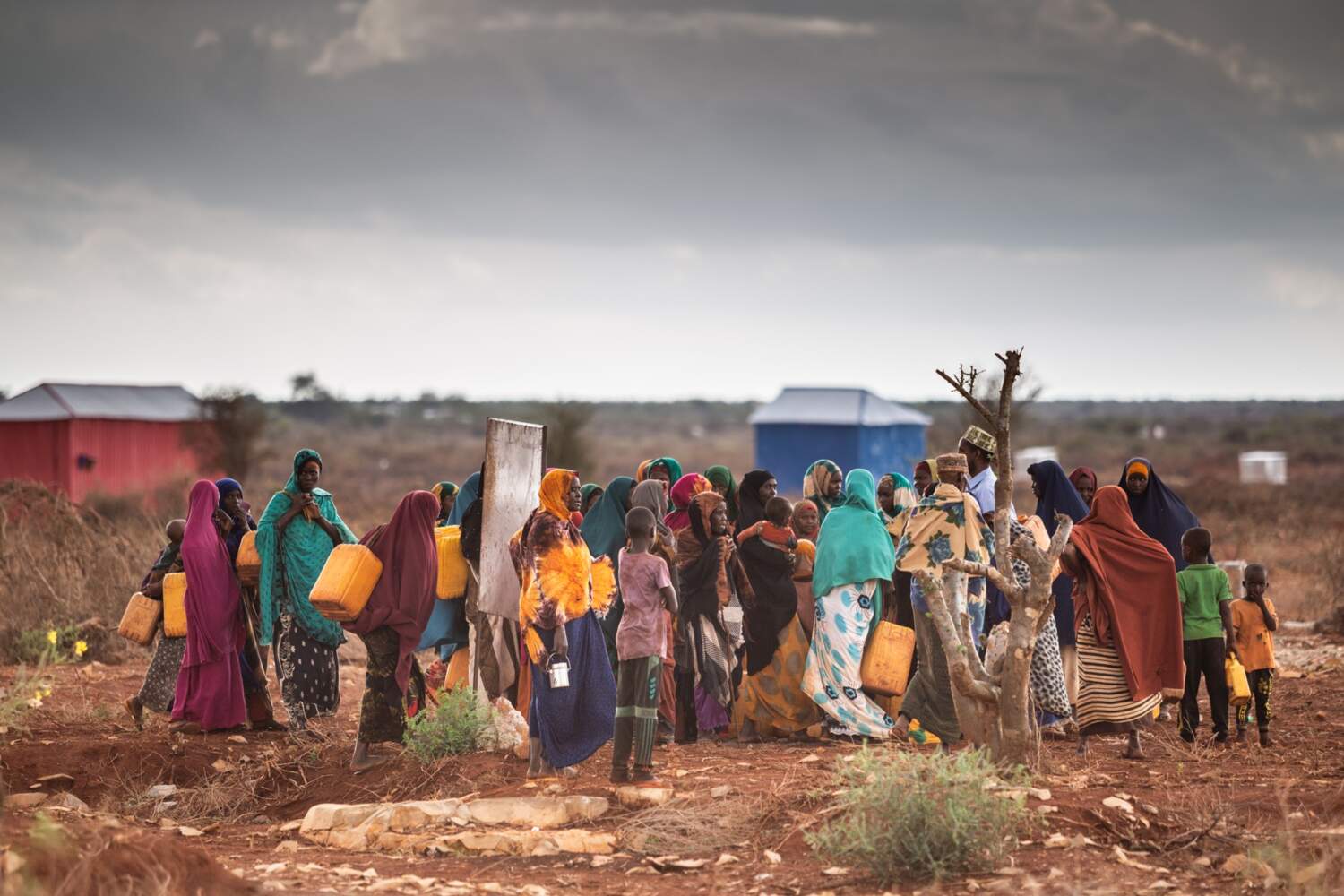
In flood-affected areas of Chad, refugees from Sudan receive less than 10 liters of water per person per day, a level far below established humanitarian standards.
Such conditions illustrate how climate-related disasters can become an immediate threat to life inside camps—especially when combined with weak infrastructure and the breakdown of public services.
A More Dangerous Future
The risks are not confined to the present. UNHCR warns of even more severe future scenarios.
By 2050, some of the world’s hottest refugee camps may experience up to 200 days of dangerous heat stress annually, rendering many displacement locations uninhabitable and putting the health of millions at serious risk.
Environment and Conflict
Beyond extreme weather, long-term environmental degradation further complicates the humanitarian landscape.
According to UNHCR data, 75% of land in Africa is affected by environmental degradation, while more than half of refugee and IDP camps on the continent are located in areas under severe environmental pressure.
This limits access to food, water, and income, weakening communities’ resilience and ability to cope.
The Hidden Fuel of Conflict
In parts of the Sahel region, UN reports indicate that the loss of livelihoods due to drought and desertification contributes to rising violence and the recruitment of youth into armed groups.
This demonstrates how climate factors can act as indirect drivers of conflict, perpetuating displacement in a recurring and escalating cycle that is difficult to break without comprehensive intervention.
Climate Finance Gap
Despite the scale of the crisis, the funding gap remains one of the most significant barriers to effective response.
According to UNHCR, fragile and conflict-affected countries receive only one-quarter of the climate finance they need, despite hosting the largest numbers of refugees and displaced persons.
Moreover, much of global climate funding fails to reach displaced populations and host communities, leaving them trapped in conditions of vulnerability.
The Cost of Neglect
Filippo Grandi warns that cuts in humanitarian and climate funding severely limit the ability of organizations to protect refugees from extreme climate impacts. He stresses that stability cannot be achieved without investing in the most at-risk regions and enabling displaced communities to adapt to climate change—rather than merely managing crises after they occur.
The Crisis in Reality
Recent field evidence underscores the human cost of this intersection.
In Brazil, floods in 2024 displaced 580,000 people, including 43,000 refugees from Venezuela, Haiti, and Cuba.
In Myanmar, Cyclone Mocha struck densely populated Rohingya IDPs camps, exacerbating an already protracted humanitarian crisis.
UN reports also indicate that one-third of UNHCR-declared emergencies in 2024 were linked to floods, droughts, and wildfires directly affecting populations already displaced by armed conflict.
Protracted Displacement
Reports from the Internal Displacement Monitoring Centre (IDMC) of the Norwegian Refugee Council (NRC) reinforce this trend.
By the end of 2021, the number of internally displaced persons (IDPs) reached approximately 59 million, the highest figure ever recorded.
Alexandra Bilak, Former Director of IDMC, notes that protracted displacement will continue to rise unless safe and sustainable conditions are created for return, local integration, or resettlement—through the humanitarian–development–peace nexus.
A Future at Stake
These realities make it clear that forced displacement today is no longer a conventional humanitarian issue—it is a complex, multidimensional crisis requiring new approaches.
Armed conflict and climate change together form a powerful equation that intensifies human suffering. At the same time, the continued exclusion of refugees and displaced populations from national climate strategies perpetuates the crisis.
In an increasingly unstable world, one critical question remains
Will the international community reshape climate and development policies to place displaced people at their core—or continue managing a crisis that grows with every flood and deepens with every prolonged drought?