As humanitarian crises escalate due to the intersection of violent conflicts and extreme weather events, Qatar, Qatar Charity’s flagship projects across several countries stand out as an effective tool to address the growing needs, through integrated interventions that combine immediate relief with long-term resilience building.
Somalia
“Barwaaqo” Model Village: A Holistic Support Ecosystem
Reasons for Establishment
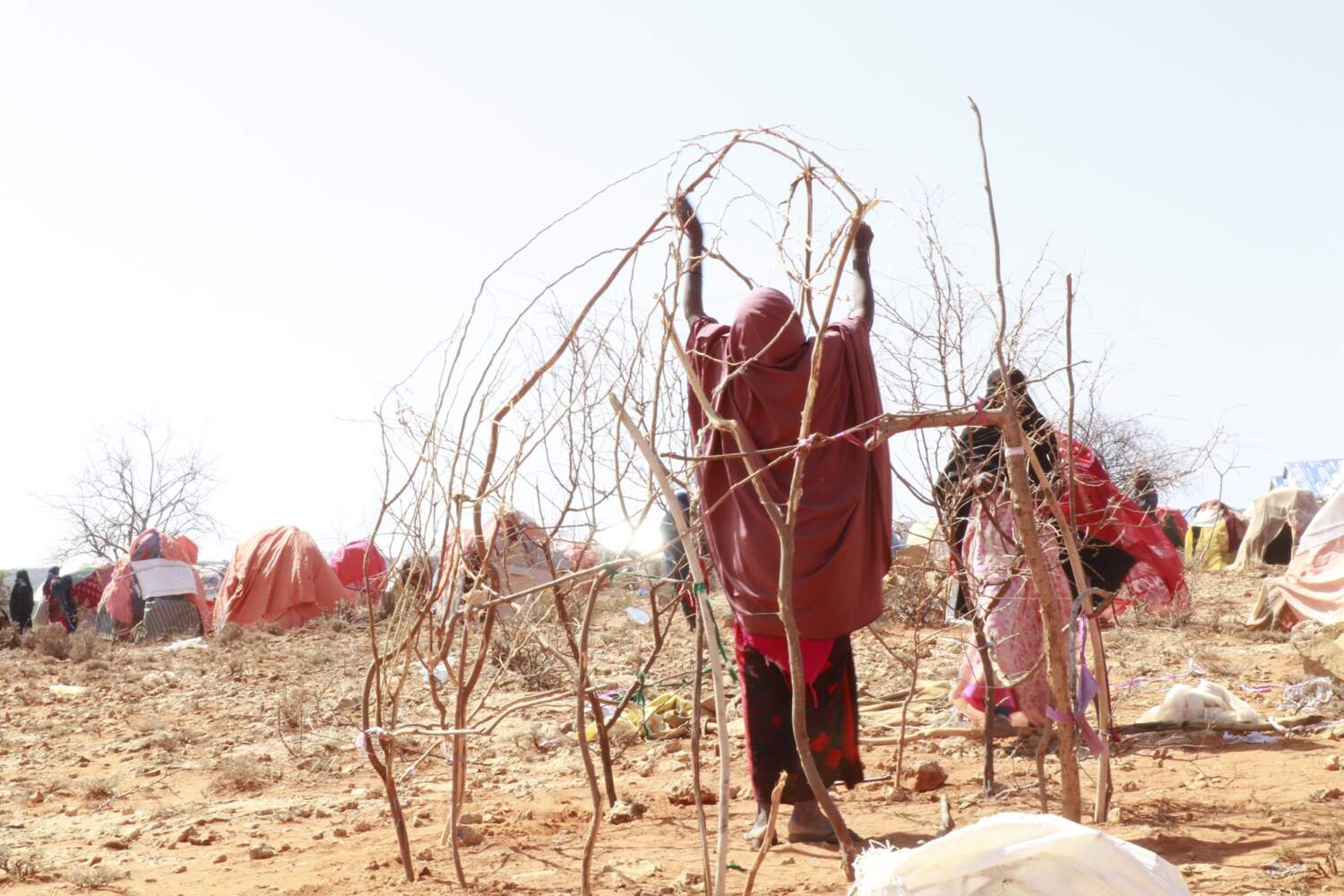
The Barwaaqo Model Village represents a strategic response to Somalia’s protracted displacement crisis, where nearly 80% of internally displaced persons (IDPs) live in informal settlements lacking basic services.
With more than 2.6 million IDPs, major cities like Baidoa face immense pressure on fragile infrastructure. This underscores the urgent need for solutions that move beyond emergency aid toward “durable solutions”, in line with Somalia’s National Durable Solutions Strategy (2020 – 2024)
Meaning of “Barwaaqo”
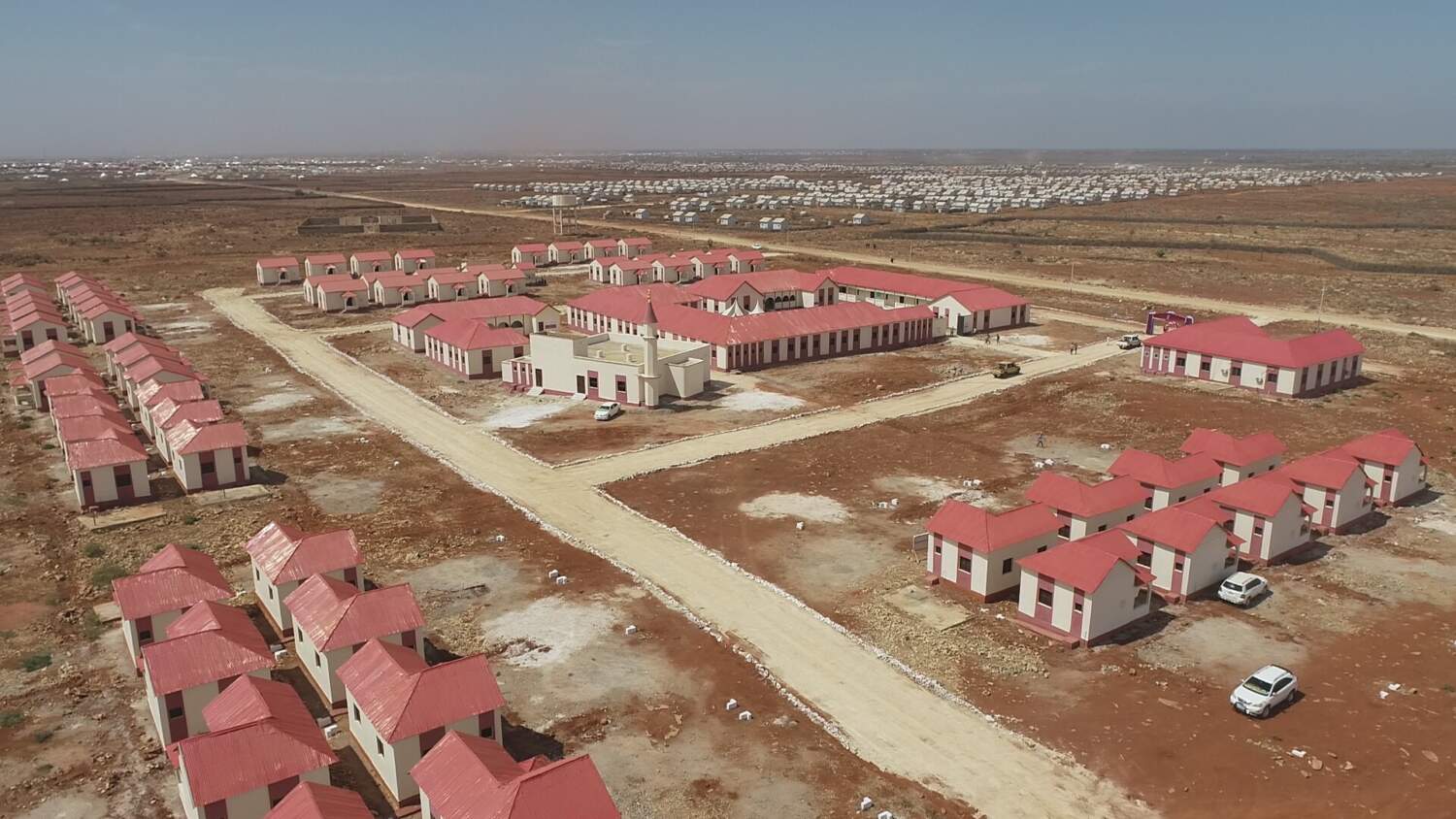
“Barwaaqo” means “prosperity and well-being” in Somali. Qatar Charity selected this name to reflect its vision of enabling displaced families to achieve both psychological stability and socio-economic well-being, paving the way for a dignified and sustainable life.
The project is built around key objectives:
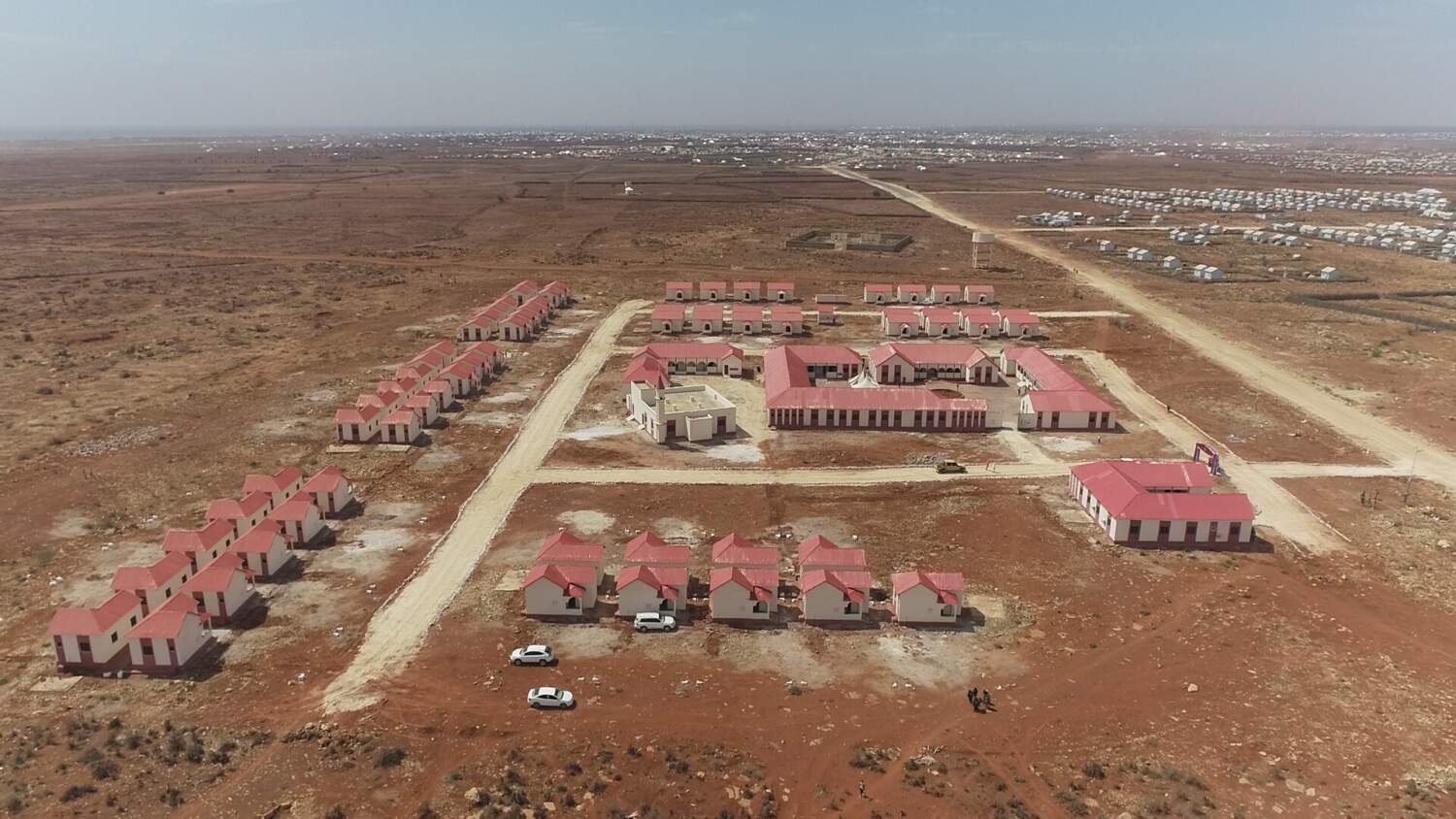
- Transition from Relief to Development: Delivering durable solutions through sustainable infrastructure
- Community Integration: Promoting peaceful coexistence between IDPs and host communities in Baidoa
- Self-Reliance: Reducing dependency on aid through education and vocational training
Location:
Baidoa, Southwest State of Somalia
Inauguration:
January 2025
Infrastructure and Services
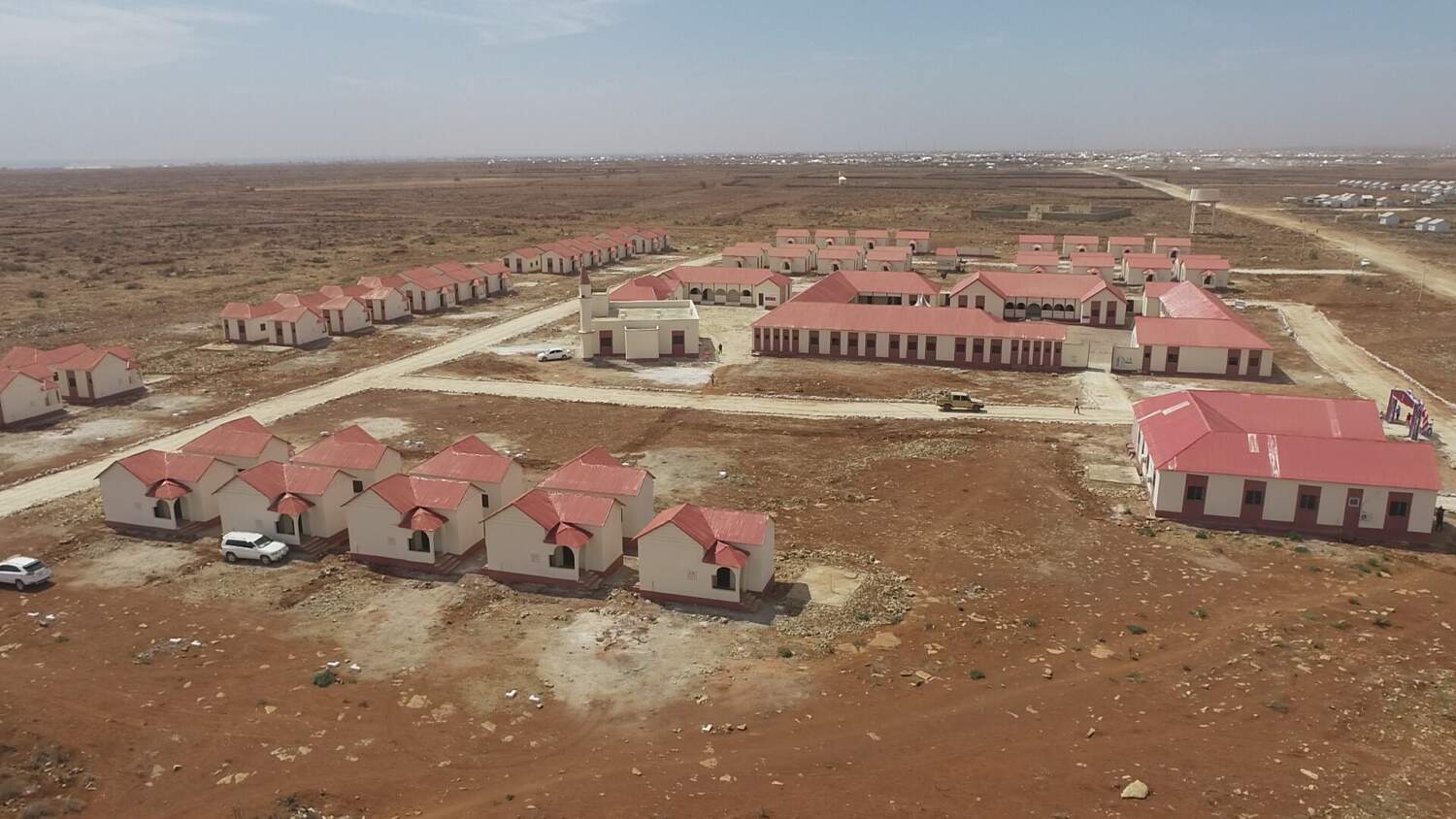
The project goes beyond shelter—it is a comprehensive support system that includes:
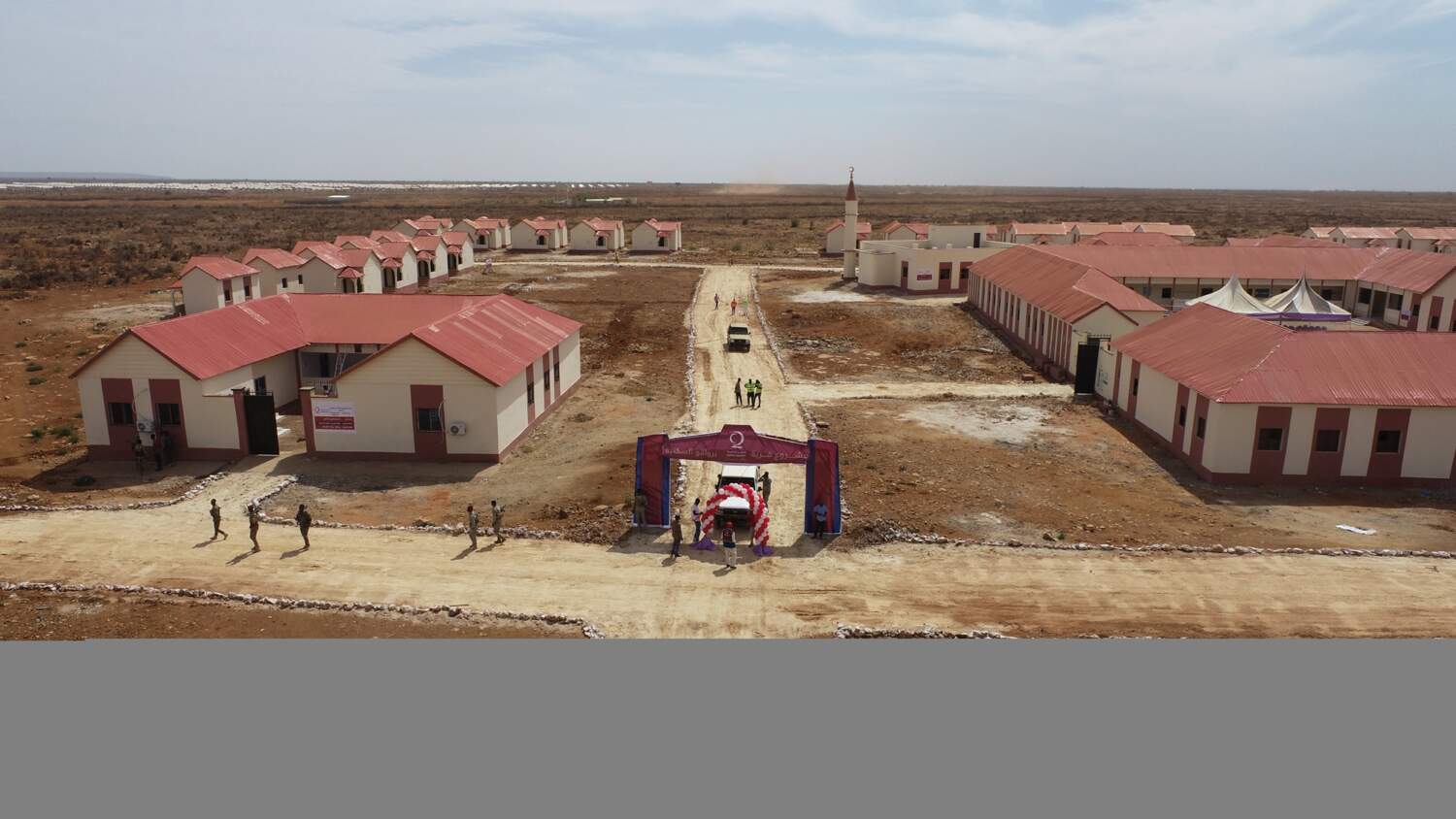
- Housing: 67 permanent housing units providing safe and dignified living conditions
- Education & Empowerment: A secondary school (12 classrooms) and a vocational training center for youth and women
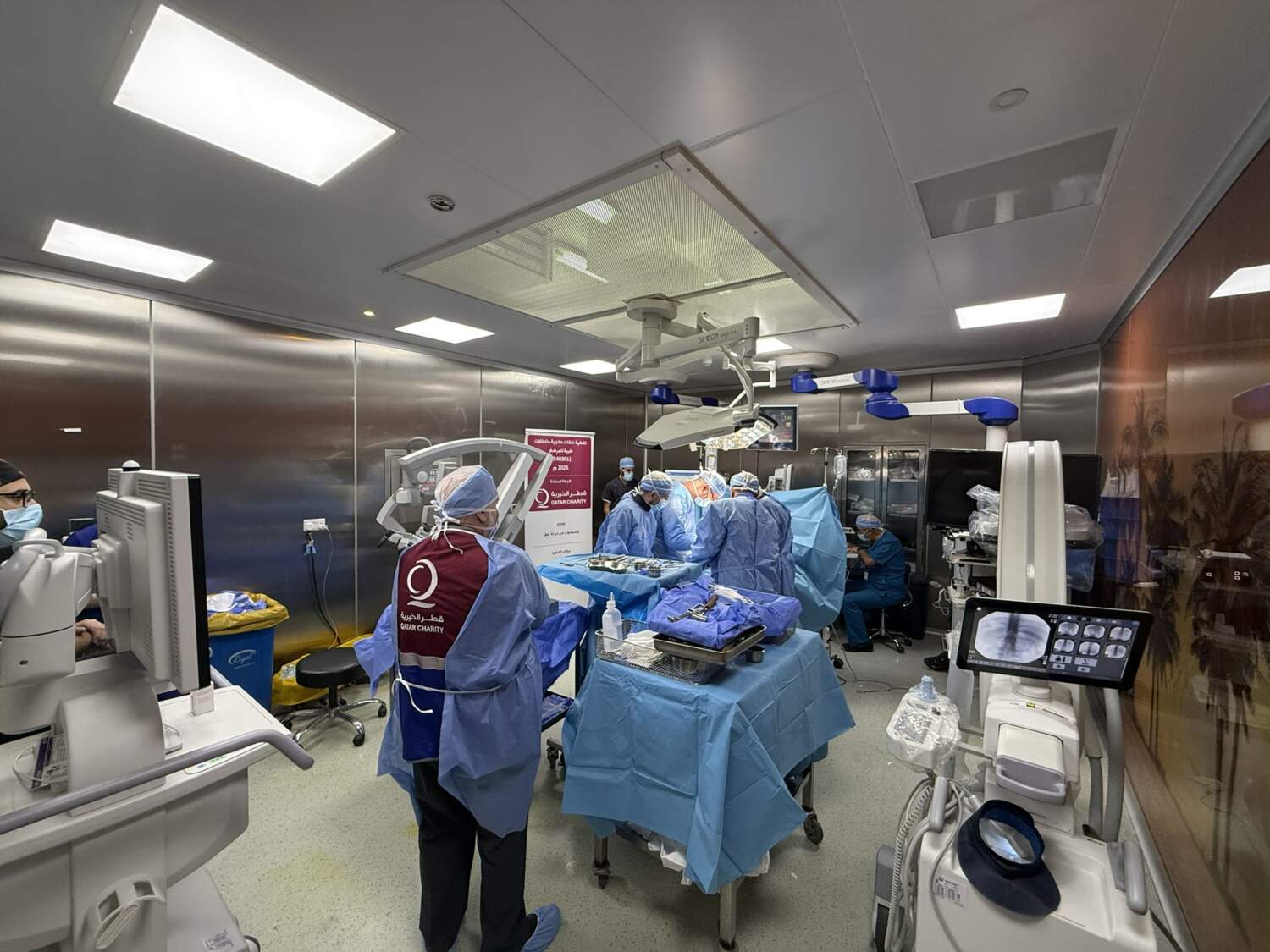
- Health & Water: A health center supported by a deep, solar-powered artesian well, ensuring sustainable access to safe drinking water
- Community & Spiritual Life: A mosque, two Qur’an memorization centers, and dedicated community spaces
Impact and Outcomes
- Improved Living Standards: More than 400 direct beneficiaries from safe housing and a healthy environment
- Human Rights Protection: Access to adequate housing and essential services (water, health, education) as fundamental rights stipulated by international laws
- Replicable Model: A scalable example for cities such as Mogadishu and Kismayo
Djibouti
1. Residential Village in Damerjog: A Stable Environment for Displaced Families
This project—currently under development—marks a shift from emergency response to sustainable recovery. It targets families displaced by floods to Sheikh Farah Camp.
Key components:
- 80 integrated housing units
- A school
- A mosque
- A Qur’an memorization center
The foundation stone has been laid, with construction expected to continue for two years.
2. Seawater Desalination Projects: Addressing Water Scarcity
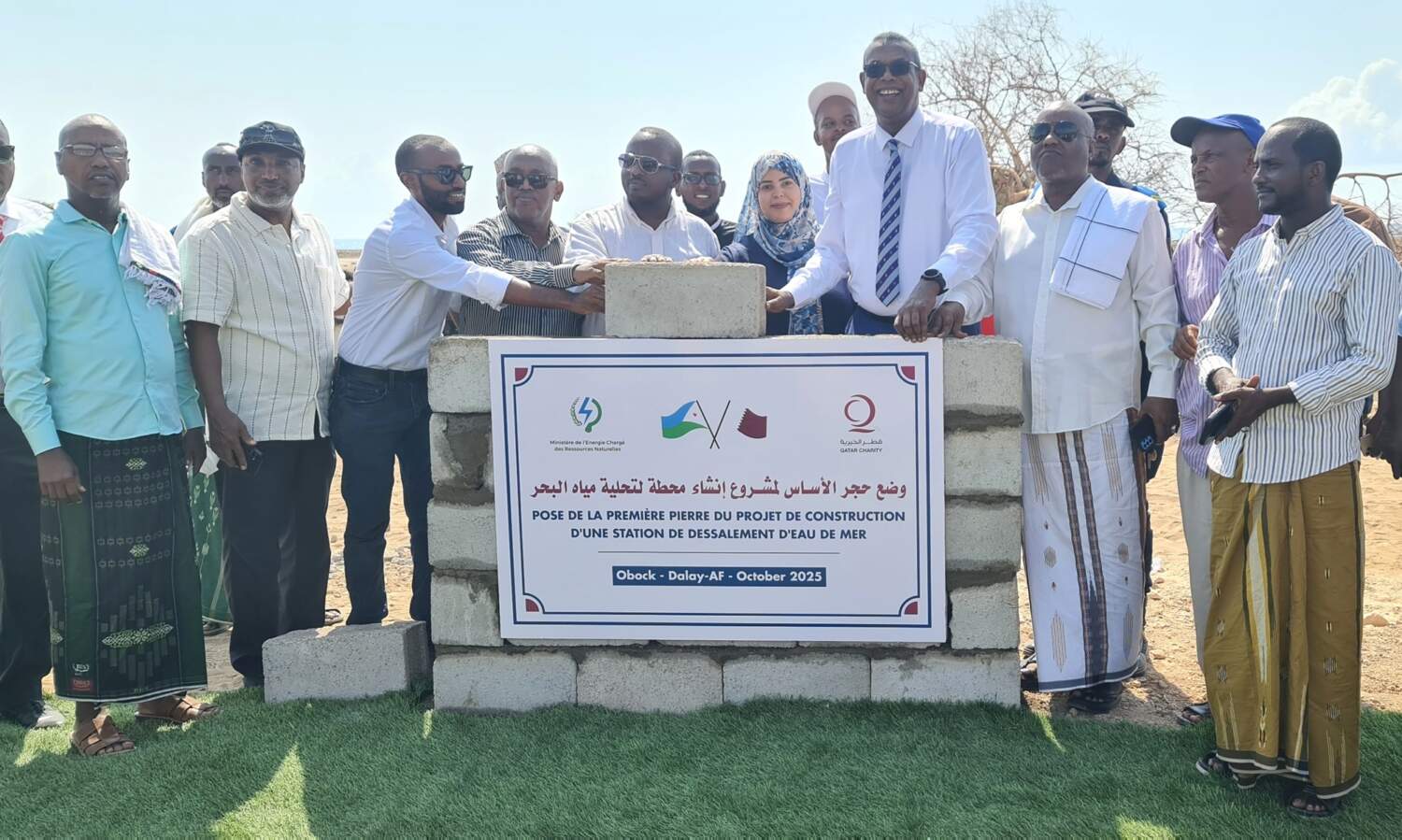
In response to acute water shortages, Qatar Charity is implementing two flagship desalination projects in:
- Tadjourah Region
- Obock Region
The projects will provide a sustainable and safe water source through solar-powered desalination plants.
Each plant will include:
- A 30 cubic meter storage tank
- Livestock watering troughs
- Public water distribution points
Representing a total investment of QAR 4, the Seawater Desalination Projects are scheduled for completion by the end of this year (2026), directly benefiting approximately 10,000 people.
Chad
Emergency Shelter in Iriba: A Practical Response to Complex Crises
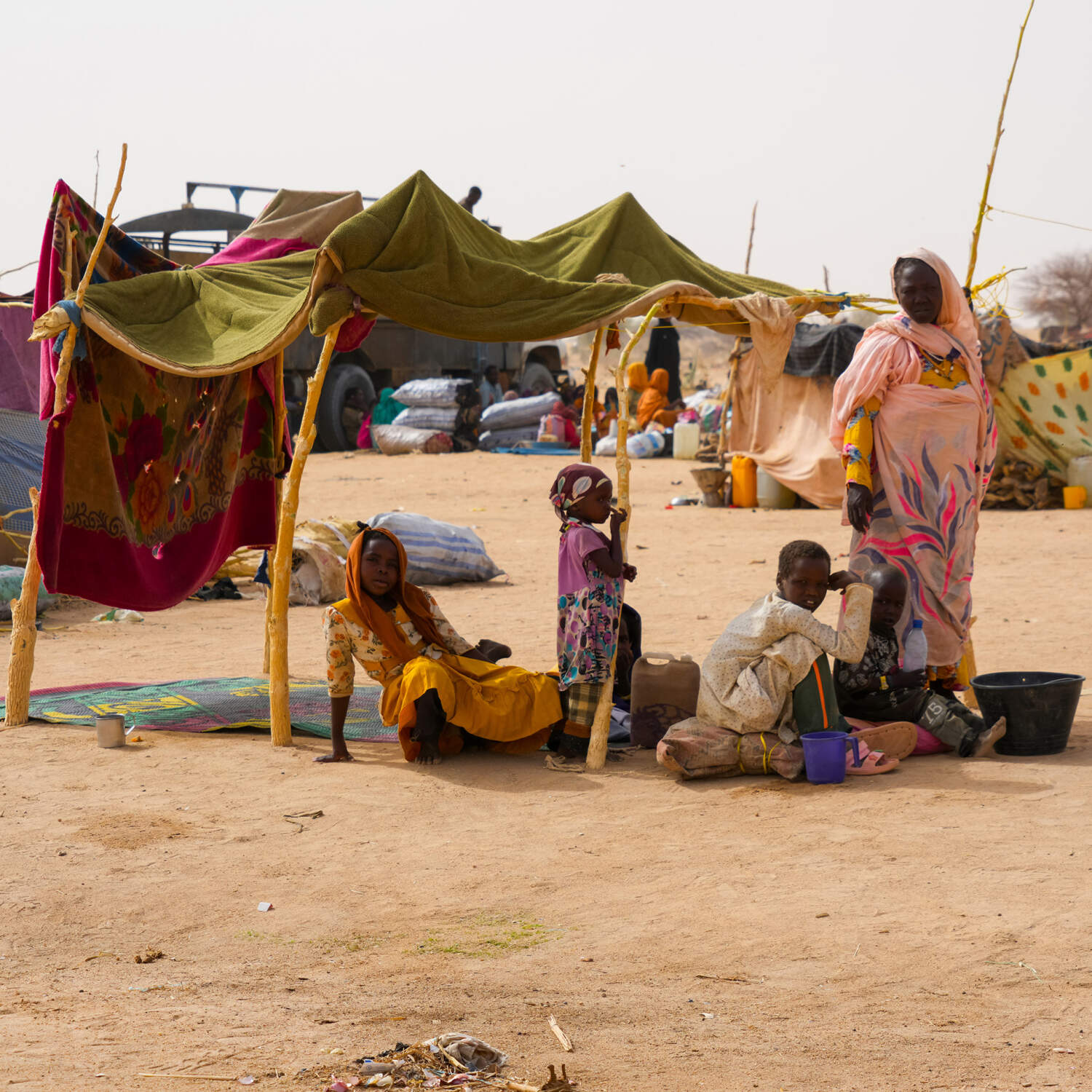
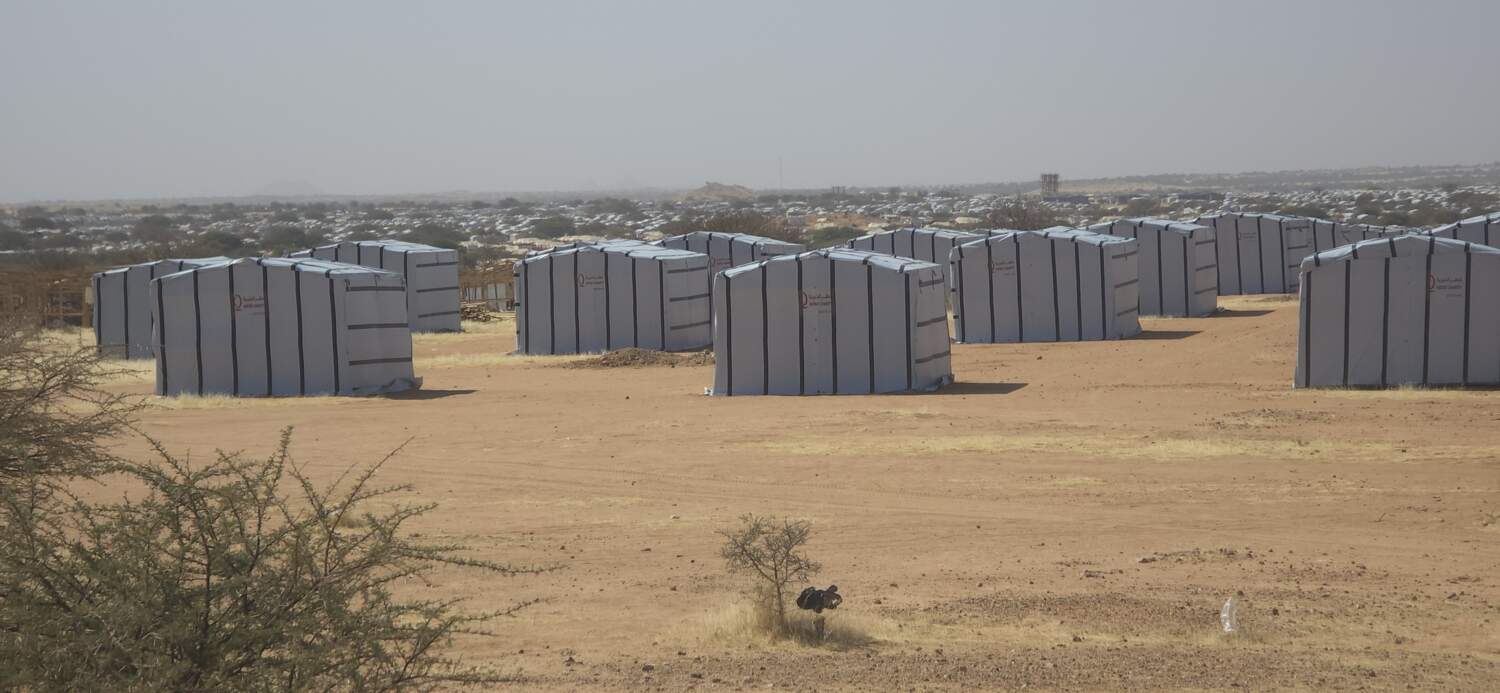
One of Qatar Charity’s most notable interventions addressing combined conflict and climate risks is the Emergency Shelter Project for Sudanese Refugees in Iriba, eastern Chad, completed in 2026.
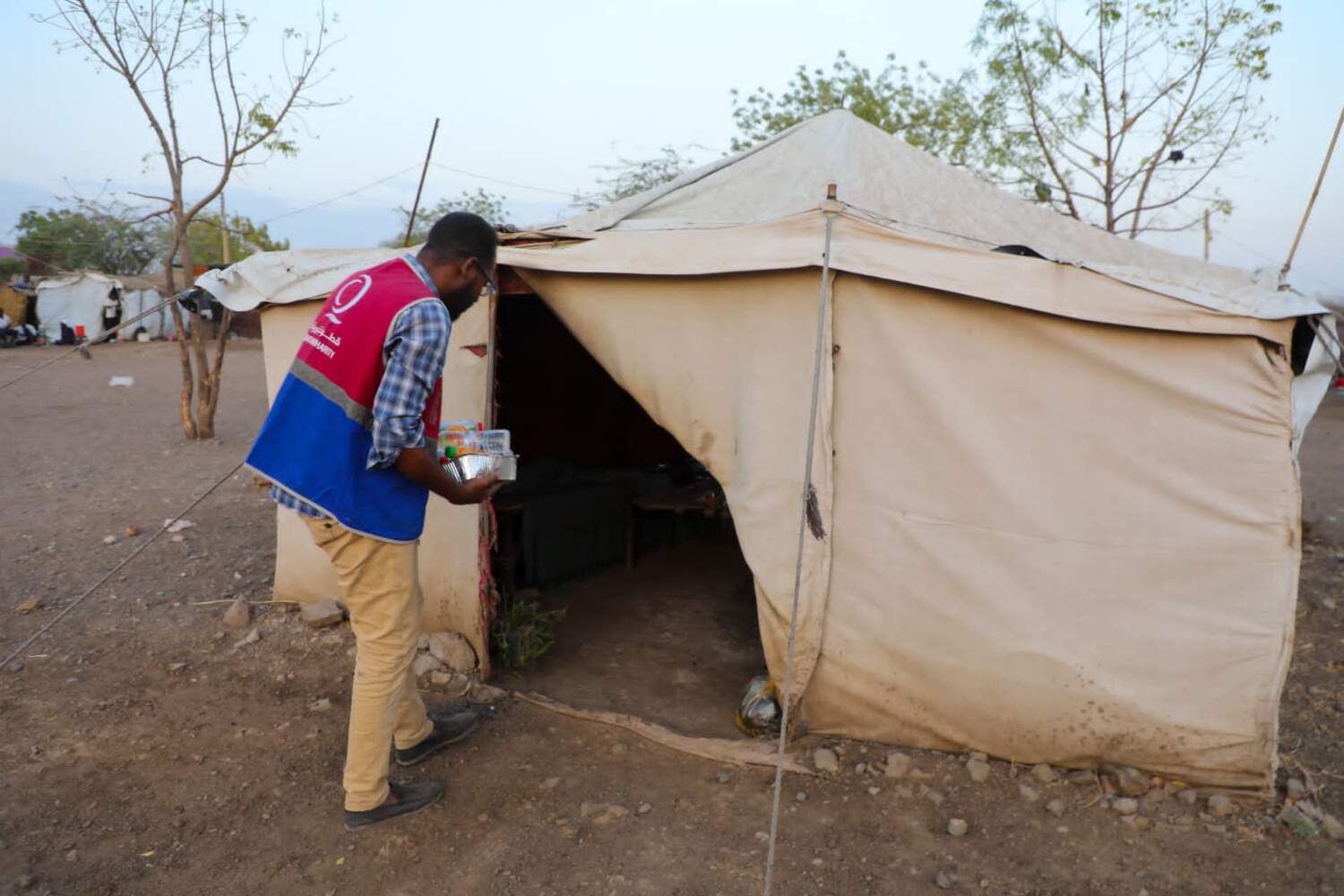
Amid large-scale refugee influxes and harsh climatic conditions—extreme daytime heat and cold nights—Qatar Charity installed 600 humanitarian tents, designed in accordance with international standards.
- Beneficiaries: 4,200 individuals
- Tent size: 4 × 5 meters
- Specifications: Durable materials ensuring protection, ventilation, and sustainability
Implementation and Partnerships:
To ensure quality implementation, the project was carried out in close coordination with the United Nations High Commissioner for Refugees (UNHCR), which provided specialized technical support. The National Commission for the Reception and Reintegration of Refugees (CNARR) in Chad played a pivotal role in facilitating procedures and providing land, while local authorities contributed to ensuring security and closely supporting the implementation process on the ground.